Engineered for immediate integration into critical cooling, automation, and industrial infrastructure projects across East Timor.
Understanding the macroeconomic forces driving electrification and energy-efficient motor procurement in the Coral Triangle's newest industrial frontier.
Timor-Leste (East Timor) is executing an ambitious development path defined by the Strategic Development Plan 2011–2030, aiming to transition from a primary resource-dependent economy to a modern industrial state. Central to this structural transformation is the establishment of resilient infrastructure. The inauguration of the deepwater Tibar Bay Port has positioned Dili as a rising logistics hub in Southeast Asia, paving the way for domestic manufacturing, light processing plants, and food packaging projects.
However, the local operational environment presents severe challenges for electrical machinery. The combination of intense tropical humidity, maritime salt-spray exposure, and unstable regional microgrids demands electric motors of exceptional structural integrity. Traditional brushed DC and legacy AC induction motors suffer from rapid brush degradation and low efficiency under voltage fluctuations. This has catalyzed a strong technological shift towards Brushless DC (BLDC) and Permanent Magnet Synchronous Motors (PMSM).
In Timor-Leste's primary commercial sectors—specifically coffee processing in the Ermera highlands, coconut oil processing in Baucau, and small-scale fisheries along the northern coastline—the primary goal is the reduction of maintenance overheads. Remote project sites require drive solutions that can operate continuously without routine mechanical servicing. KPR Motor's brushless line offers enclosed, highly insulated motor systems that address these exact geographical constraints.
Decarbonization, total cost of ownership (TCO) analysis, and the strategic edge of permanent magnet technology.
In global industrial design, the transition from brushed motors to brushless technology is driven by thermodynamics and electromechanical efficiency. Brushed motors rely on physical carbon brushes to transfer current to the rotating armature, causing friction, heat buildup, carbon dust accumulation, and electromagnetic interference (EMI). In contrast, a brushless motor utilizes electronic commutation, where a micro-controller coordinates stator current pulses relative to permanent magnet rotor positions. This eliminates mechanical contact, drastically reducing mechanical wear and heat dissipation requirements.
For operations in remote territories like East Timor's Oecusse exclave or Atauro Island, the cost of a motor is not merely its initial purchase price; it includes the logistics of repair, replacement downtime, and energy consumption. Brushless motors feature an efficiency curve that peaks above 90%, compared to 70–80% for standard brushed motors. This efficiency difference translates into reduced fuel consumption for diesel generators and smaller solar arrays for remote agricultural water pump sites. Over a standard 20,000-hour operational cycle, a high-efficiency BLDC motor pays for itself multiple times over through energy savings alone.
Foshan KPR Motor's advanced production capacity, serving global supply networks with speed, flexibility, and consistent quality.
Foshan KPR Motor Co., Ltd. represents the cutting edge of southern China's industrial manufacturing ecosystem. Located in the manufacturing hub of Foshan, Guangdong, KPR Motor leverages a 10,000-square-meter facility, employing over 200 skilled operators and engineers. Since 2010, our facility has combined automated winding processes, precision dynamometer testing, and computerized rotor balancing to ensure every motor meets stringent global performance standards.
By integrating automated SMT (Surface Mount Technology) assembly lines for controllers alongside our motor stator winding lines, KPR Motor delivers fully optimized, integrated mechatronic solutions. Our supply chain resilience is rooted in localized sourcing of high-grade NdFeB (Neodymium) magnets, low-loss silicon steel sheets, and heavy-duty ball bearings. This enables us to maintain short manufacturing cycles and competitive pricing, even for highly customized designs.
For procurement managers targeting Timor-Leste, KPR Motor bridges the logistical gap. We coordinate container shipping routing directly from Pearl River Delta ports (Guangzhou/Shenzhen) to the Tibar Bay Port in Dili, handling customs documentation and seaworthy packaging to prevent ocean humidity damage during transit.
Transparent insight into our manufacturing lines, testing labs, and assembly workshops.
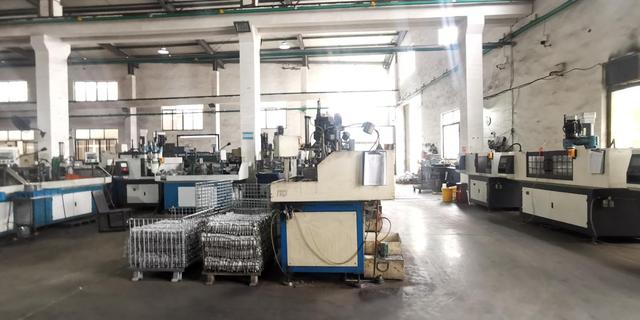
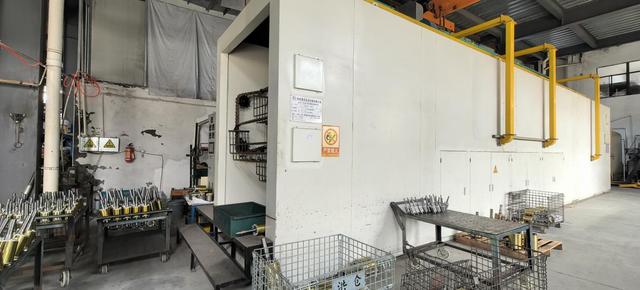
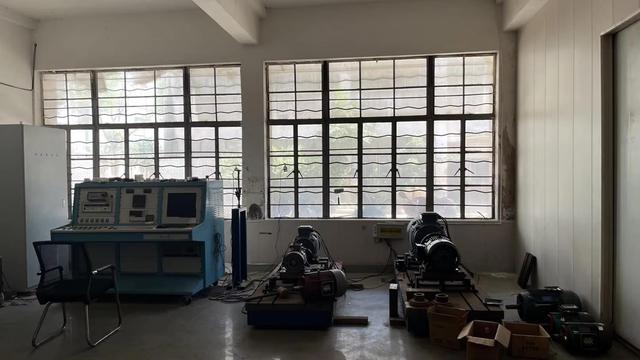

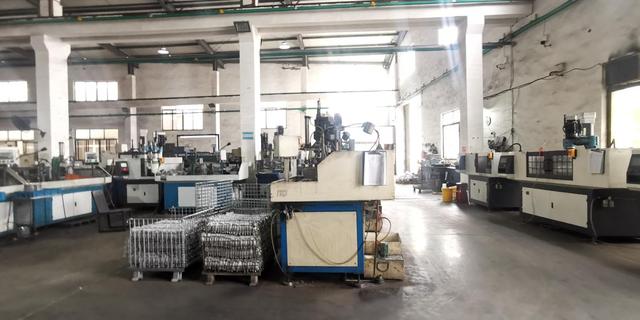
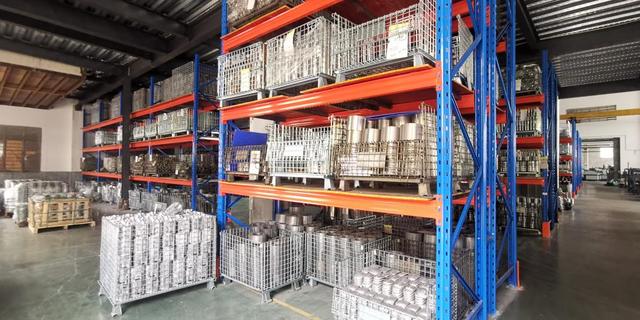
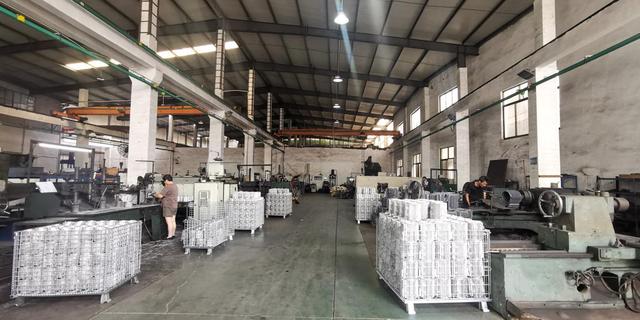
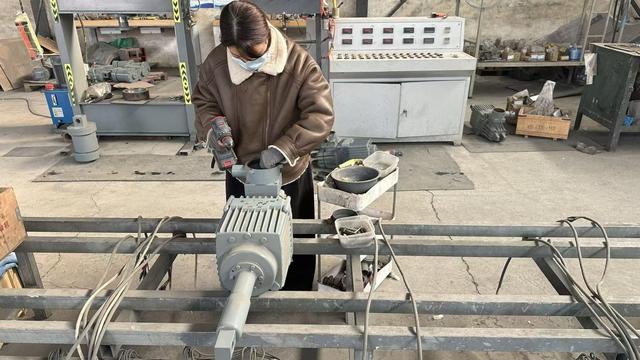
Engineered solutions solving practical operational issues in East Timor's developing industries.
Decentralized coffee processing plants operate on remote solar grids. High-torque BLDC motors with low-voltage drivers run pulpers and sorters directly off battery banks, avoiding conversion losses from inverters.
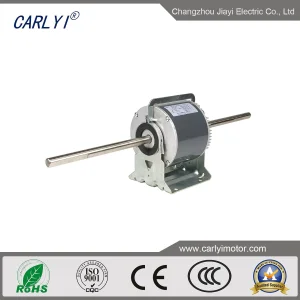
Coastal operations require robust refrigeration. KPR Brushless condenser fan motors feature anti-corrosion epoxy coatings and IP55 protection to resist salt-spray air, extending lifespan along East Timor's shorelines.
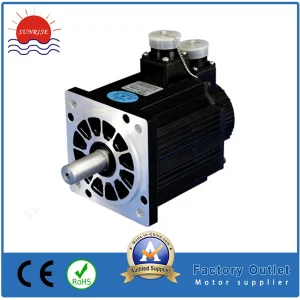
Tibar Bay's automated conveyor and sorting gates rely on high-speed PMSM and integrated servo motors. Precision feedback encoders enable smooth speed ramps, preventing belt slippage and system fatigue.
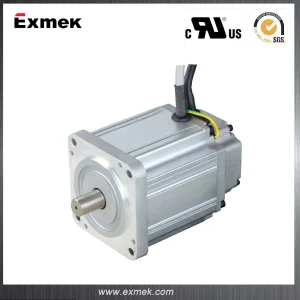
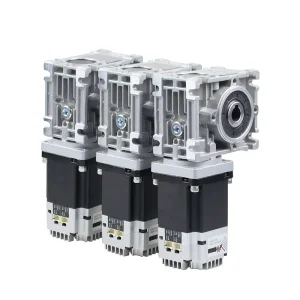
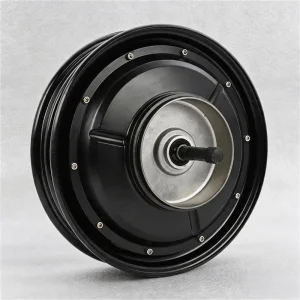
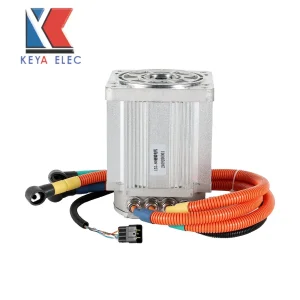
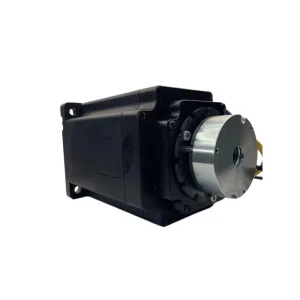
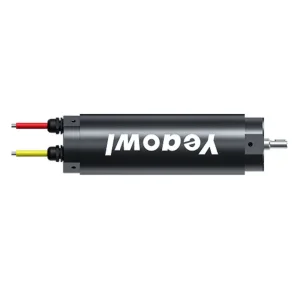
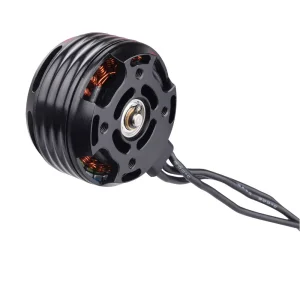
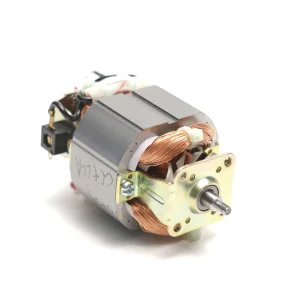
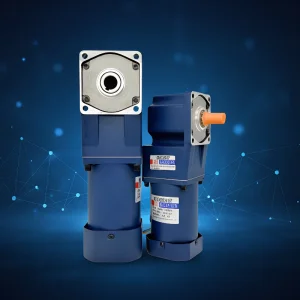
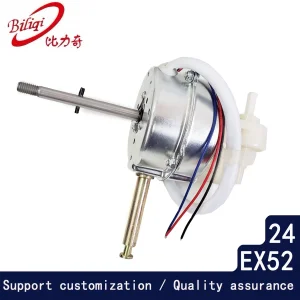
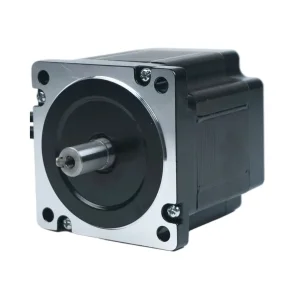
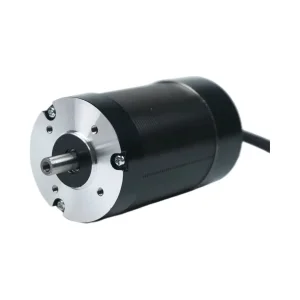
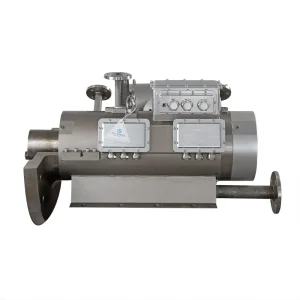
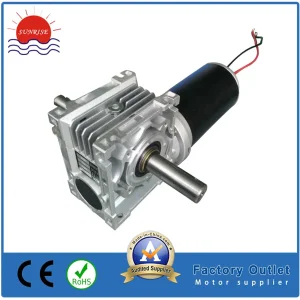
Browse our selection of heavy-duty brushless motors, micro gearboxes, high-torque permanent magnet systems, and air conditioner fan motors.
How Foshan KPR Motor guarantees structural reliability and performance limits under harsh operational loads.
To support high-reliability operations in Southeast Asian island markets, every motor batch undergoes strict quality check protocols. Testing is conducted at our Foshan facility prior to international export preparation:
Stator coils undergo high-voltage surge and insulation resistance testing to ensure phase-to-phase and phase-to-ground integrity. Rotors undergo precision dynamic balancing to reduce vibration down to G2.5 levels, minimizing bearing wear and mechanical noise.
For motors specified for maritime applications in Timor-Leste, testing includes exposure inside salt spray chambers to verify corrosion resistance of shaft coatings, screw hardware, and aluminum housings.
Using magnetic particle dynamometers, we log the complete torque-speed-efficiency curves. We confirm efficiency parameters, peak starting torque, and temperature rise values under continuous rated load profiles.
By pairing motors with matched driver modules, we verify speed control precision, current limiting functions, and fault protection response to guarantee stable system operation.
At KPR Motor, our design and development methodology is guided by one core standard: providing application-specific solutions that improve operational efficiency, reduce energy consumption, and support long-term equipment reliability.
Answers to common engineering and logistics questions regarding the importation of brushless motors to Timor-Leste.
Improve your equipment reliability and system efficiency with KPR Motor's customizable, industrial-grade brushless motor solutions.
Send Inquiry Now KPR Motor