Premium industrial heavy-duty motors, high-voltage induction machines, and customized high-precision mechanical assemblies engineered for global OEM applications.
In modern industrial applications, the transition from legacy brushed DC systems to high-performance brushless systems is accelerating. High-voltage and low-voltage brushless controllers have emerged as the central nervous system of automated machinery, electric vehicles (EVs), unmanned aerial vehicles (UAVs), and energy-efficient HVAC architectures. By removing mechanical brushes, brushless systems eliminate friction, minimize spark risks in explosive atmospheres, and offer exceptionally long service lives. Globally, the market for Brushless DC (BLDC) and Permanent Magnet Synchronous Motor (PMSM) controllers is expanding rapidly, driven by mandatory energy-efficiency regulations (such as Europe’s Ecodesign Directive and China's GB18613 standards for IE4 and IE5 motor classes).
This massive global shift has created a high demand for custom OEM controller factories. Equipment manufacturers no longer look for generic off-the-shelf speed regulators. They require tailor-made printed circuit board assemblies (PCBAs) featuring customized field-oriented control (FOC) firmware, matching communication protocols (such as EtherCAT, CANopen, or Modbus), and custom thermal enclosures to survive harsh ambient temperatures. As a reliable supplier, establishing high-level engineering capabilities is crucial to satisfying these strict global standards.
Next-generation switching technologies that lower switching losses, allow higher PWM frequencies, and reduce overall thermal footprint.
FOC algorithm implementations running on ARM Cortex-M cores to deliver ultra-smooth torque response, zero vibration, and high efficiency.
Seamless connectivity through integrated CAN bus, RS485 (Modbus RTU), EtherCAT, and wireless IoT modules for smart factory automation.
For engineering departments, choosing the right brushless controller architecture requires a precise understanding of the power stage, microprocessor capabilities, and sensor configurations. Modern brushless controllers operate using either trapezoidal (block commutation) or sinusoidal (Field Oriented Control) control schemes.
Trapezoidal controllers are simple, relying on three Hall-effect sensors to detect rotor position and switch phase currents every 60 degrees. While cost-effective for simple applications like cooling fans or basic pumps, they introduce torque ripples and higher acoustic noise levels. For precision positioning, dynamic load responses, and quiet operations, Sensorless or Sensored Field Oriented Control (FOC) is the industry standard. FOC translates three-phase stator currents into coordinate systems (d-axis and q-axis) to control magnetic flux and torque independently, optimizing performance in real-time.
An OEM manufacturer must offer modular hardware platforms that can adapt to different power inputs—ranging from low-voltage DC (12V–96V) for mobile robotic systems, up to high-voltage AC (220V–480V) for heavy-duty industrial drives.
"Information Gain Core Principle:" A custom brushless controller is only as robust as its gate driver design. The gate driver must handle fast switching transients (high dV/dt) without triggering parasitic turn-on of the complementary MOSFET or IGBT, which leads to catastrophic shoot-through failures. Advanced isolation barriers (such as magnetic or optoelectronic couplers) protect the microcontroller logic from high-voltage noise spikes.
Foshan KPR Motor Co., Ltd. is a professional industrial electric motor and drive supplier specializing in the design, manufacturing, and customization of high-efficiency motor solutions for global industrial applications. The company provides OEM and ODM services to equipment manufacturers, distributors, system integrators, and industrial automation companies worldwide.
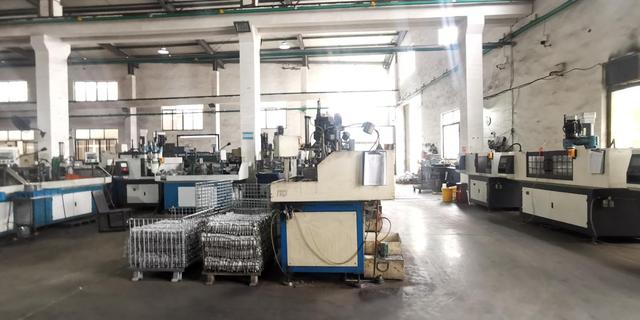
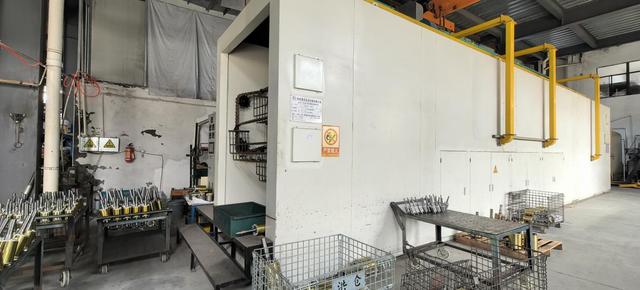
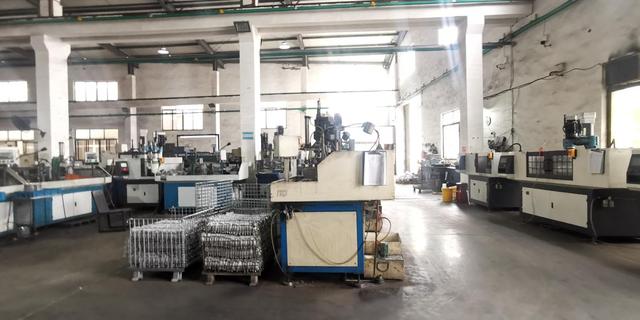
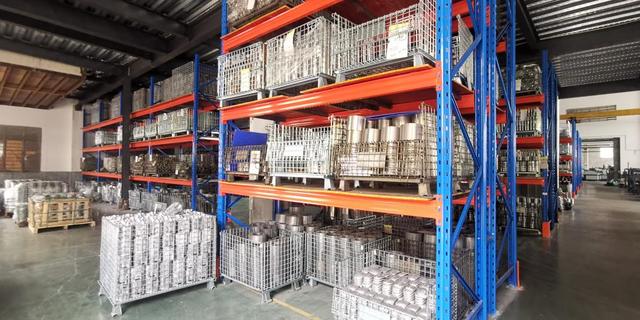
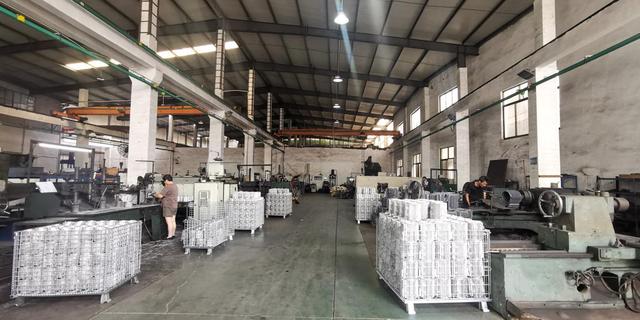
Established in 2010 and located in Foshan, Guangdong, China, KPR Motor operates a modern production facility covering more than 10,000 square meters and employs over 200 skilled personnel. The company integrates research and development, precision manufacturing, quality control, and international sales to deliver reliable motor and controller products that meet diverse industrial requirements.
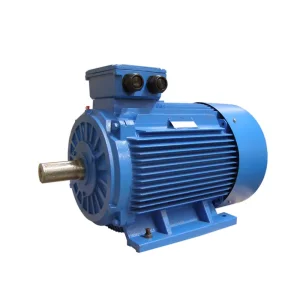
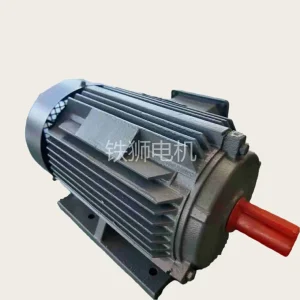
KPR Motor's product portfolio includes AC motors, DC motors, gear motors, induction motors, brushless motors, permanent magnet motors, variable-speed motors, and customized drive solutions. These products are widely used in industrial automation, packaging machinery, material handling systems, food processing equipment, textile machinery, agricultural equipment, HVAC systems, and other industrial sectors.
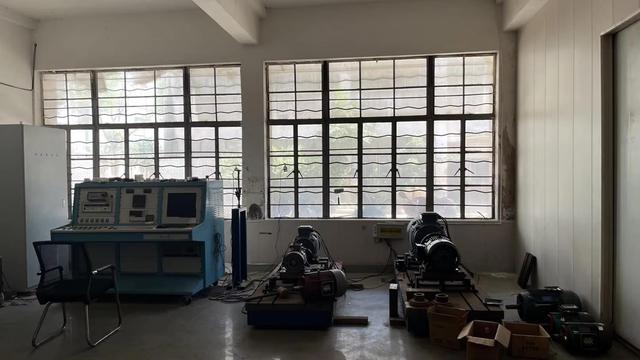
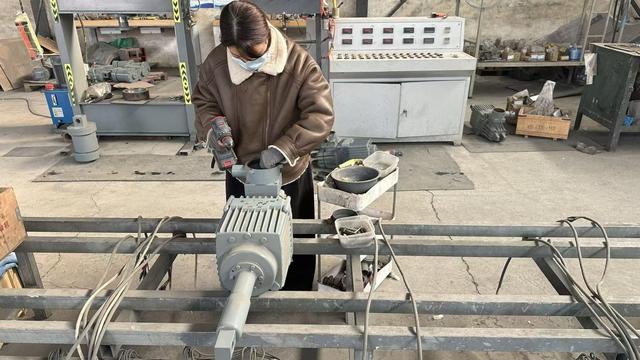
To ensure consistent product quality and performance, the company utilizes advanced production equipment, automated assembly processes, precision testing systems, and comprehensive quality management procedures throughout every stage of manufacturing. KPR Motor also works closely with customers to develop application-specific motor and controller solutions that improve operational efficiency, reduce energy consumption, and support long-term equipment reliability.
With products exported to Europe, North America, South America, Southeast Asia, the Middle East, and other international markets, Foshan KPR Motor Co., Ltd. has established long-term partnerships with customers seeking dependable motor and controller manufacturing capabilities. Guided by continuous innovation, technical expertise, and customer-focused service, the company remains committed to providing efficient industrial motor solutions and flexible manufacturing support for businesses around the world.

The development of brushless controller architecture follows three major technology paths: high power density integration, intelligent diagnostic feedback, and strict compliance with functional safety regulations.
1. Wide Bandgap (WBG) Semiconductor Integration: The implementation of Silicon Carbide (SiC) and Gallium Nitride (GaN) field-effect transistors is transforming power electronics. WBG materials allow switching frequencies to exceed 100 kHz (compared to the traditional limit of 20 kHz for silicon IGBTs). This reduces the physical size of inductors and capacitors, resulting in ultra-compact, high-density controller designs. WBG chips can also withstand higher temperatures, reducing the size of required heat sinks.
2. Edge AI and Predictive Maintenance: Modern controllers do more than drive motors; they serve as critical sensor nodes. By analyzing stator phase currents (Motor Current Signature Analysis, or MCSA) at the controller level, integrated AI models can detect subtle anomalies like bearing wear, coil insulation breakdown, and load misalignment before a failure occurs. This edge computation communicates warnings to factory PLC systems via industrial networks, preventing unplanned downtime.
3. Advanced Safety Standards (ISO 26262 & IEC 61508 SIL 3): Industrial and automotive robotics require high functional safety. Today’s brushless controllers integrate dual-core lockstep processor topologies that continuously monitor hardware operations. Safe Torque Off (STO) functions are hardwired directly into the gate driver circuits, providing rapid shut-down in emergency situations without requiring external safety relays.
To successfully supply international markets, controllers must adapt to regional electrical standards, safety codes, and environmental demands. The table below outlines how custom OEM controllers are optimized for regional environments:
Key Demand: UL 61800-5-1 compliance, heavy NEMA enclosure standards, and EtherNet/IP communication protocols. Commonly used in high-throughput material handling warehouses, automatic guided vehicles (AGVs), and heavy oil-field pumping apparatuses requiring high voltage surge protection.
Key Demand: CE, RoHS, and strict WEEE compliance. High emphasis on electromagnetic compatibility (EMC/EMI Directive 2014/30/EU) and high energy efficiency (IE4/IE5 compliance). Preferred integrations include clean-room HVAC systems, heat pumps, and high-precision collaborative robotics (Cobots).
Key Demand: High cost-to-performance ratio, compact footprints, and high moisture/humidity resistance (IP65+ coatings). Applications focus on high-speed textile machinery, agricultural irrigation pump drives, and consumer e-mobility drivetrains.
Deploying a customized brushless motor controller requires a systematic design integration workflow. Engineering teams should follow a structured progression to ensure electrical, mechanical, and software compatibility:
Phase 1: Dynamic Load Profiling: Before specifying the controller, map the motor's torque-speed curve under realistic operational stresses. Document the peak starting torque, continuous running current, and regeneration forces (where the motor acts as a generator, feeding back energy into the power stage).
Phase 2: Power Stage & MOSFET Selection: Choose MOSFETs or IGBTs with an Rds(on) value low enough to minimize thermal losses. Ensure the voltage rating provides a safety margin of at least 1.5x to 2x the nominal DC bus voltage to handle regenerative spikes safely.
Phase 3: Control Loop & Firmware Tuning: Configure the proportional-integral (PI) controllers within the current, speed, and position loops. Utilize automated tuning algorithms to adjust current gains, ensuring stability and preventing oscillation across the entire dynamic range.
Phase 4: Environmental & Enclosure Optimization: Determine the IP rating required for the operating environment. If mounting the controller directly to the motor housing (an integrated motor-drive system), verify that the vibration isolation mounts and thermal interface materials can handle the mechanical and thermal loads.
Critical engineering and commercial questions answered by our power electronics design experts.
Trapezoidal controllers switch phase currents using simple block steps (every 60 degrees) based on Hall sensor signals, which is cost-effective but causes torque ripple and higher noise. Field Oriented Control (FOC) uses continuous sinusoidal currents, controlling the magnetic fieldVector to reduce torque ripple, improve efficiency, and run quietly, though it requires more advanced microcontrollers and complex firmware algorithms.
Sensorless FOC uses mathematical estimators (such as Sliding Mode Observers or Luenberger Observers) running in the MCU. These algorithms analyze the measured stator voltages and currents in real time to calculate the back electromotive force (Back-EMF), which reveals the rotor position. Sensorless control is highly reliable for applications like pumps and fans because it removes physical wires and sensor components.
Our custom controllers incorporate multi-layer PCBs with dedicated ground planes, optoelectronic or magnetic isolation barriers between power and logic stages, common-mode chokes, and localized RC snubber circuits. Additionally, we design custom-extruded aluminum enclosures that act as Faraday cages to suppress electromagnetic interference (EMI) and radio frequency interference (RFI).
When a motor decelerates rapidly under inertia, it acts as a generator, raising the DC bus voltage. Our custom controllers feature active over-voltage monitoring circuits. When the voltage exceeds a predefined safety threshold, the controller routes the excess energy to a external braking resistor through a chopper circuit, or returns it to the main battery/power grid if a regenerative power supply is available.
A standard OEM design cycle takes approximately 4 to 6 weeks for initial schematic and layout engineering, followed by 3 weeks for prototype manufacturing. Functional validation and thermal chamber stress tests require 2 weeks, meaning first-article samples are ready for client integration within 9 to 11 weeks from final specification approval.
Yes, our custom designs can incorporate dual-channel Safe Torque Off (STO) circuit paths in compliance with EN/IEC 61800-5-2. This safety feature cuts power directly to the gate drivers, ensuring the motor cannot generate torque, meeting requirements up to SIL 3 / PL e.
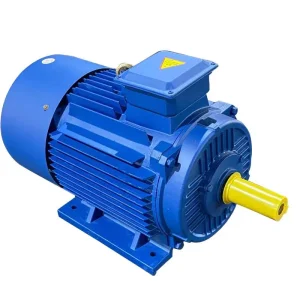
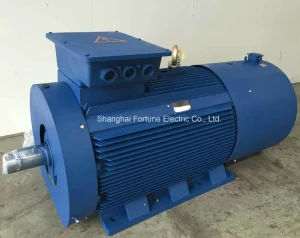
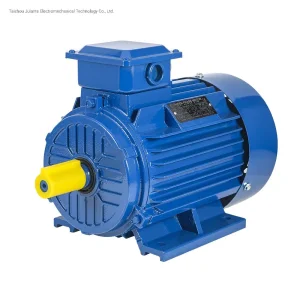
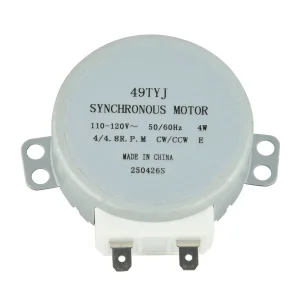
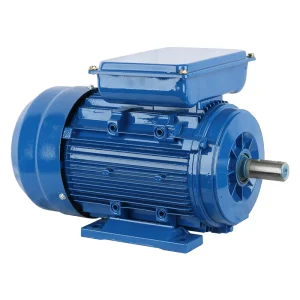
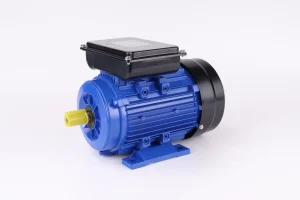
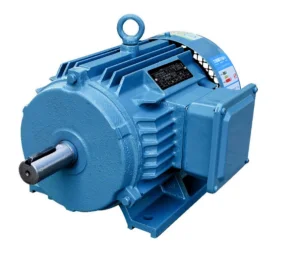
High-performance asynchronous drives, explosion-proof motors, and compact synchronous designs engineered to interface with our custom brushless controllers.
 KPR Motor