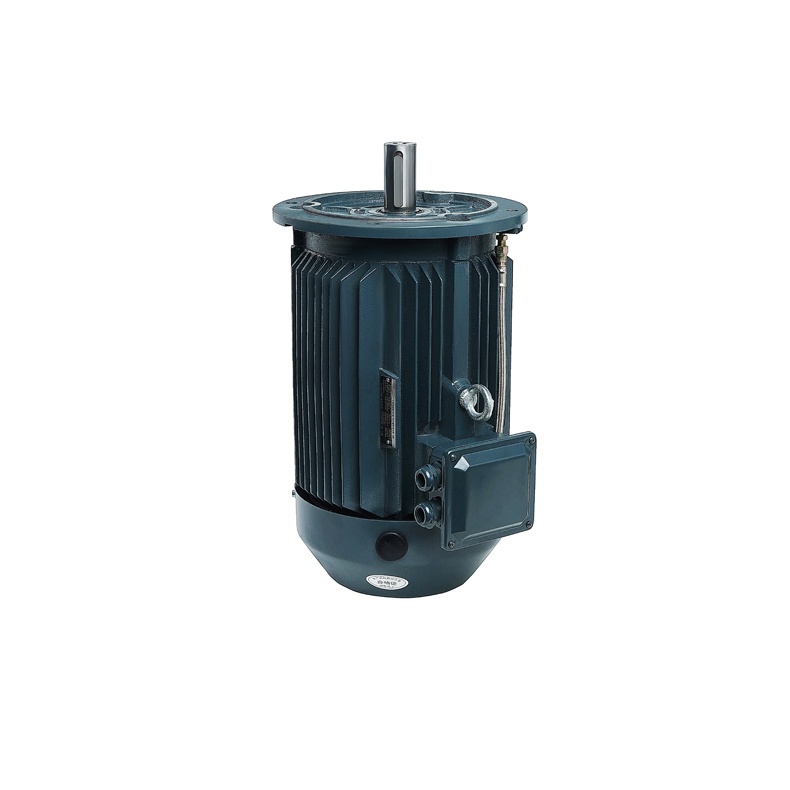
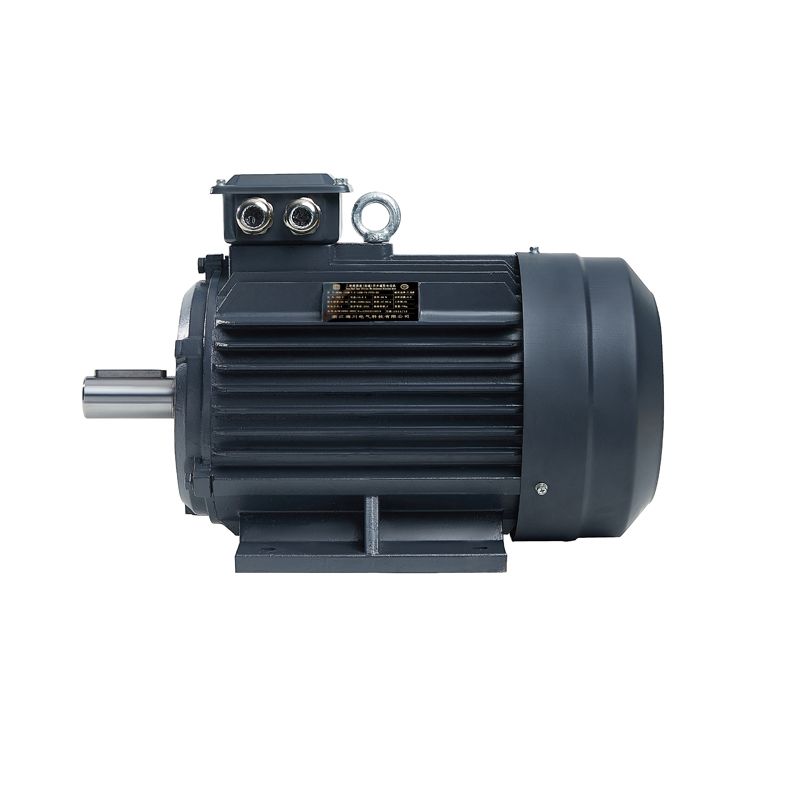
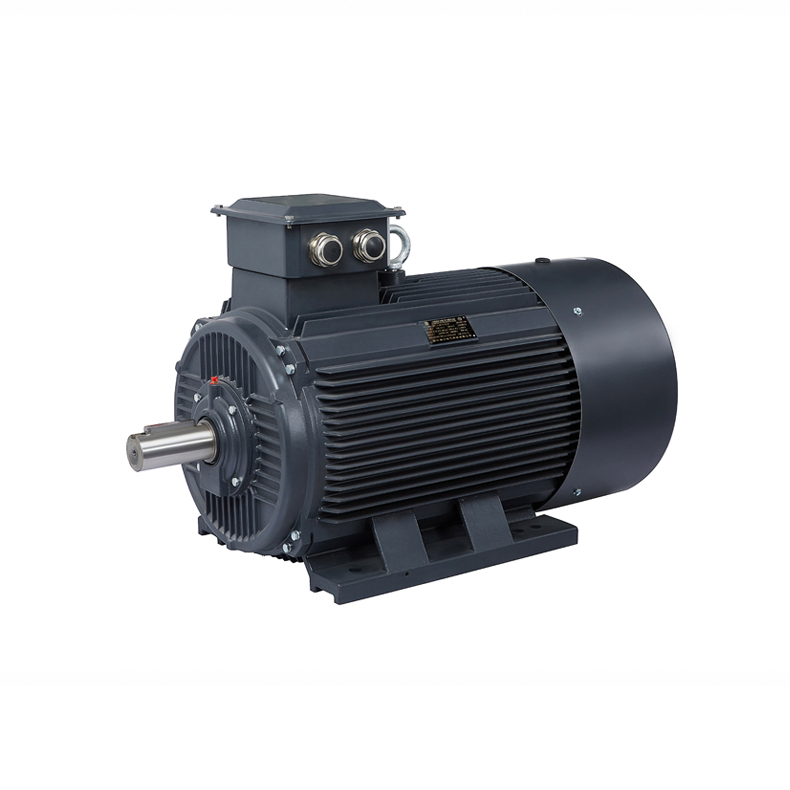
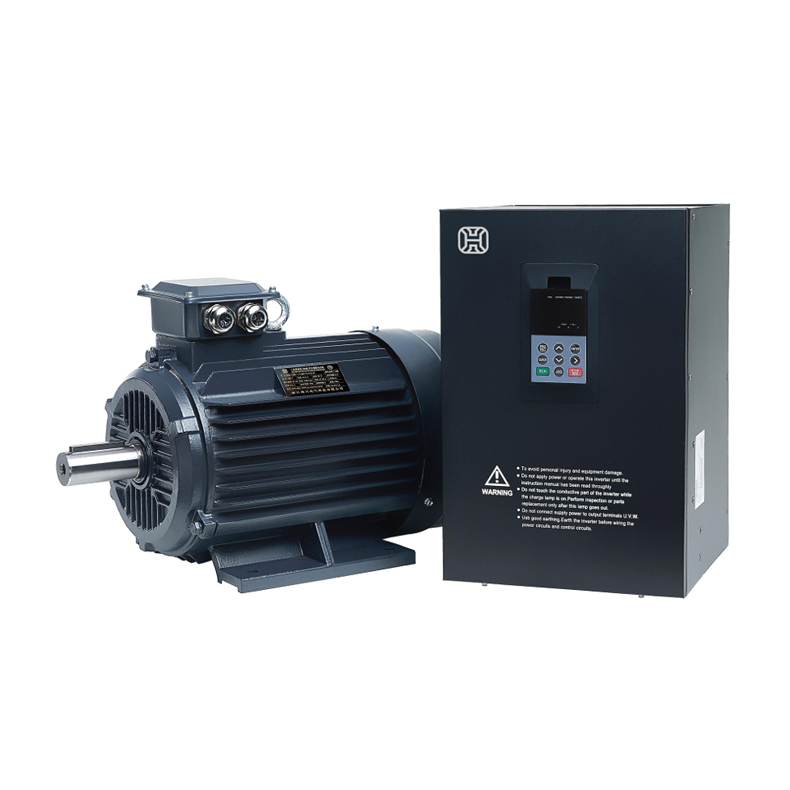
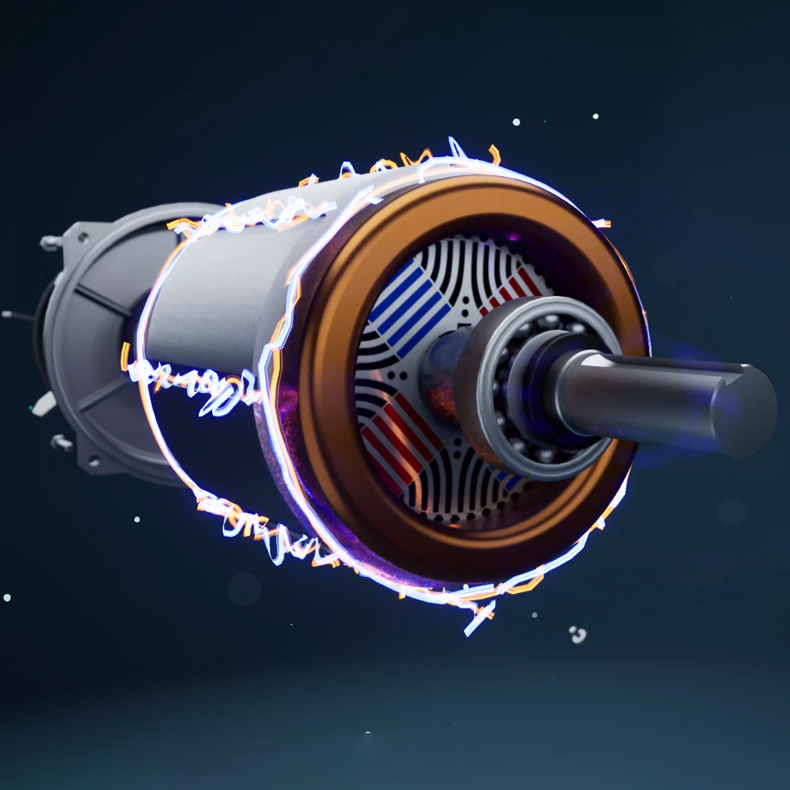
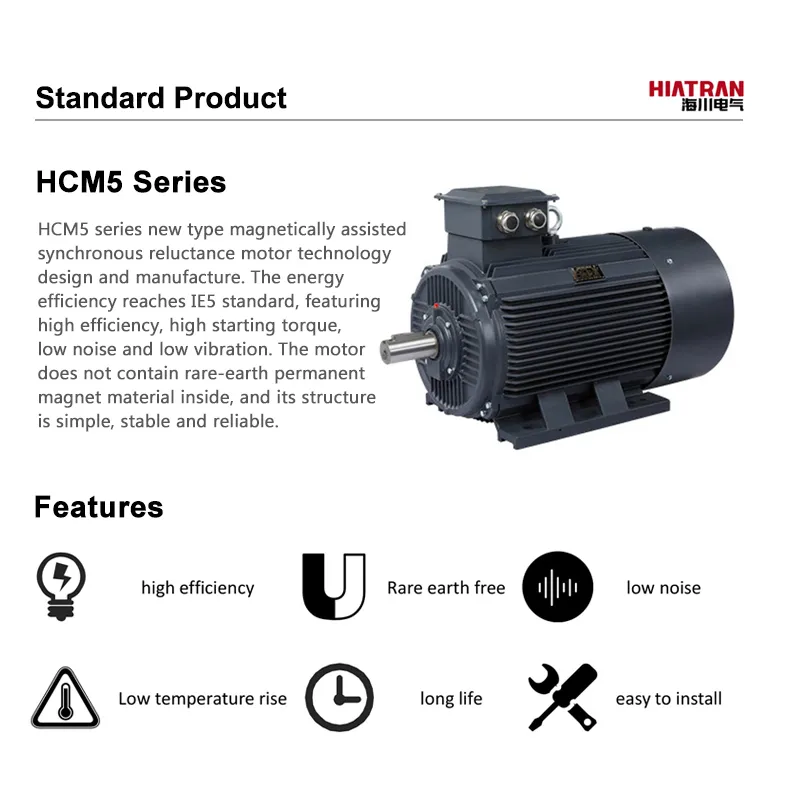
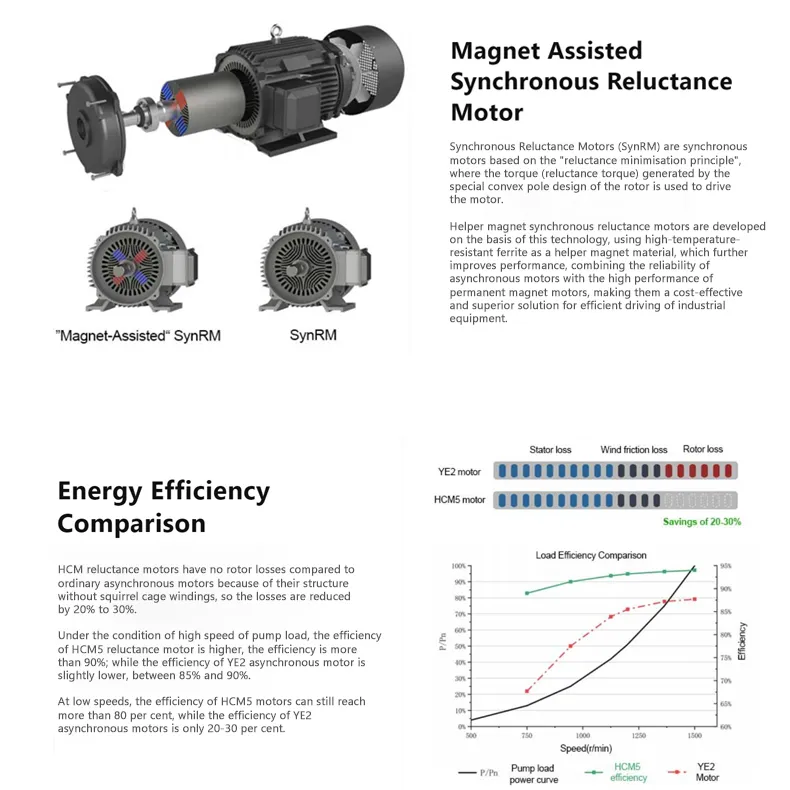
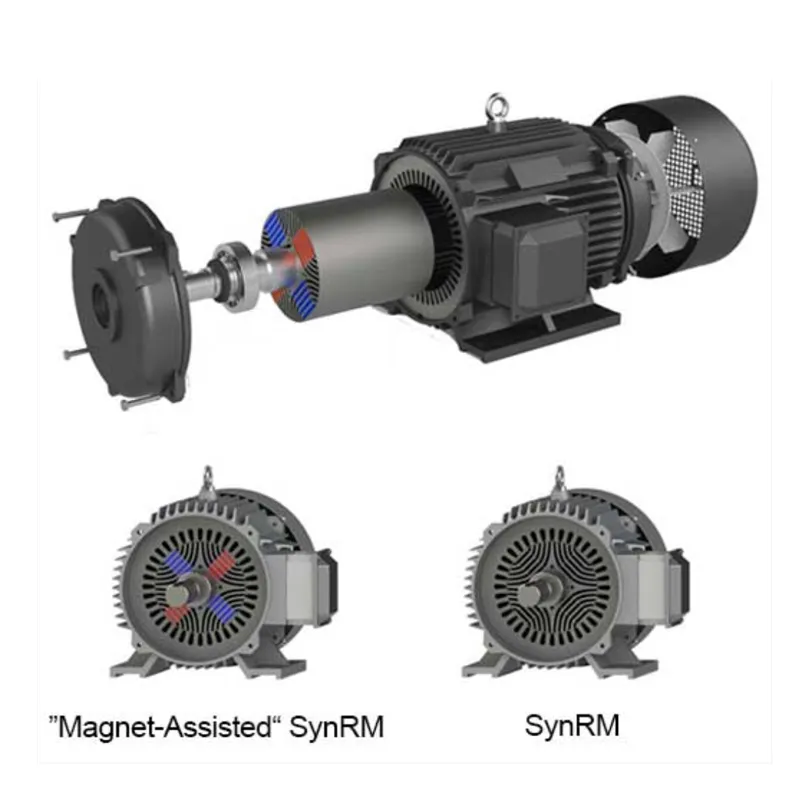
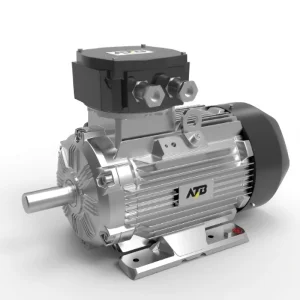
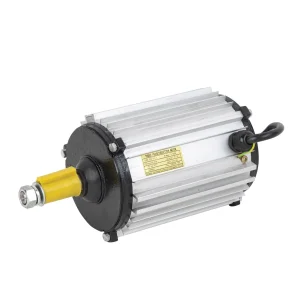
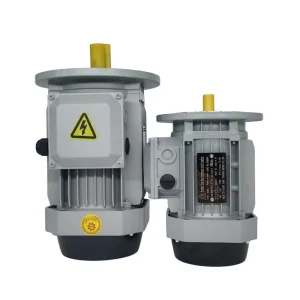
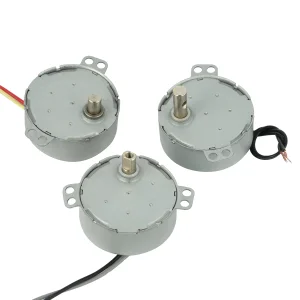
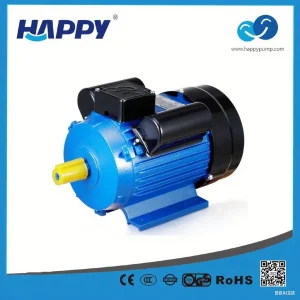
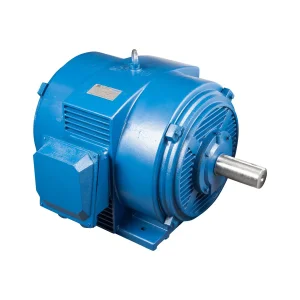
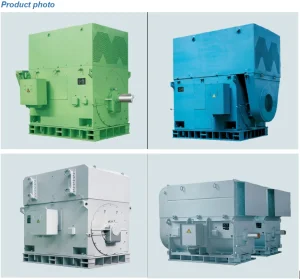
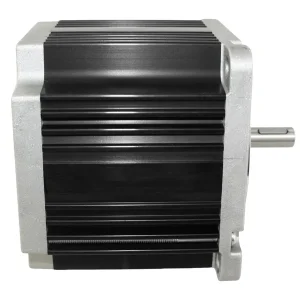
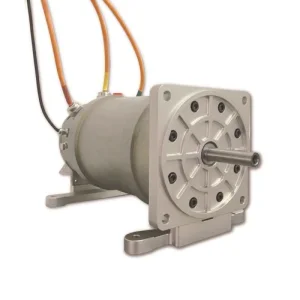
The magnet-assisted synchronous reluctance motor is an upgrade from the synchronous reluctance motor, which combines the features of synchronous reluctance motors (SynRM) and permanent magnet motors. Its basic principle is to achieve synchronous rotation of the rotor through the reluctance effect, while adding ferrite magnets inside the rotor to enhance performance.
Why Is It More Expensive Than A Normal Motor?
⚙️
Synchronous reluctance motors are relatively complex to design and manufacture. Precise design to optimise the flux path increases R&D and manufacturing costs.
🎓
The technical background involves advanced engineering expertise for motor solutions and maintenance.
⚡
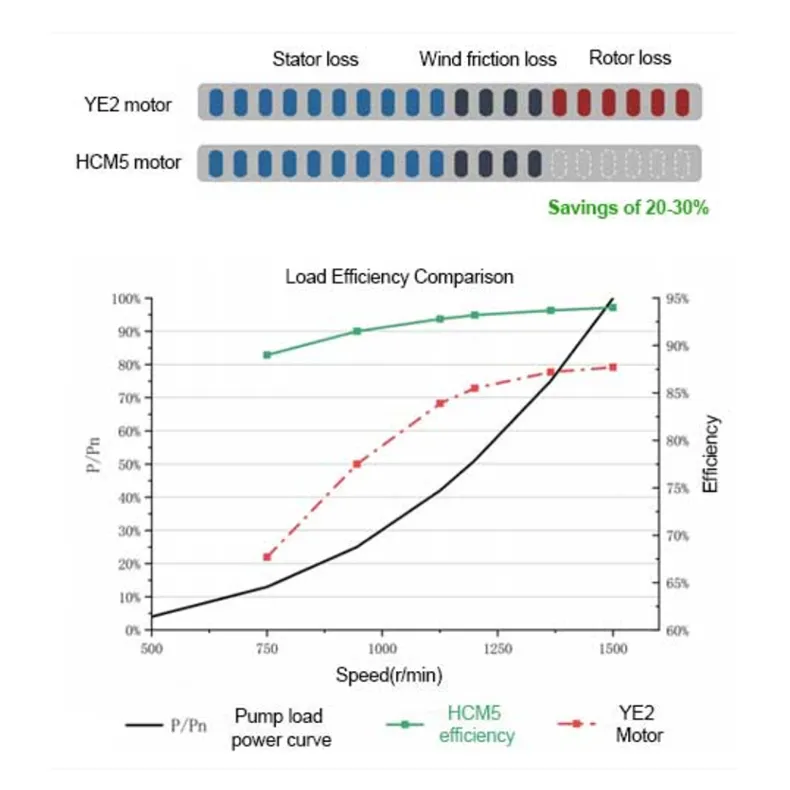
These motors typically have higher energy efficiencies (IE4, IE5 standards), requiring premium materials and advanced manufacturing processes.
💻
Operation requires precise control strategies and high-performance Variable Frequency Drives (VFDs) with specialized algorithms.
⭐
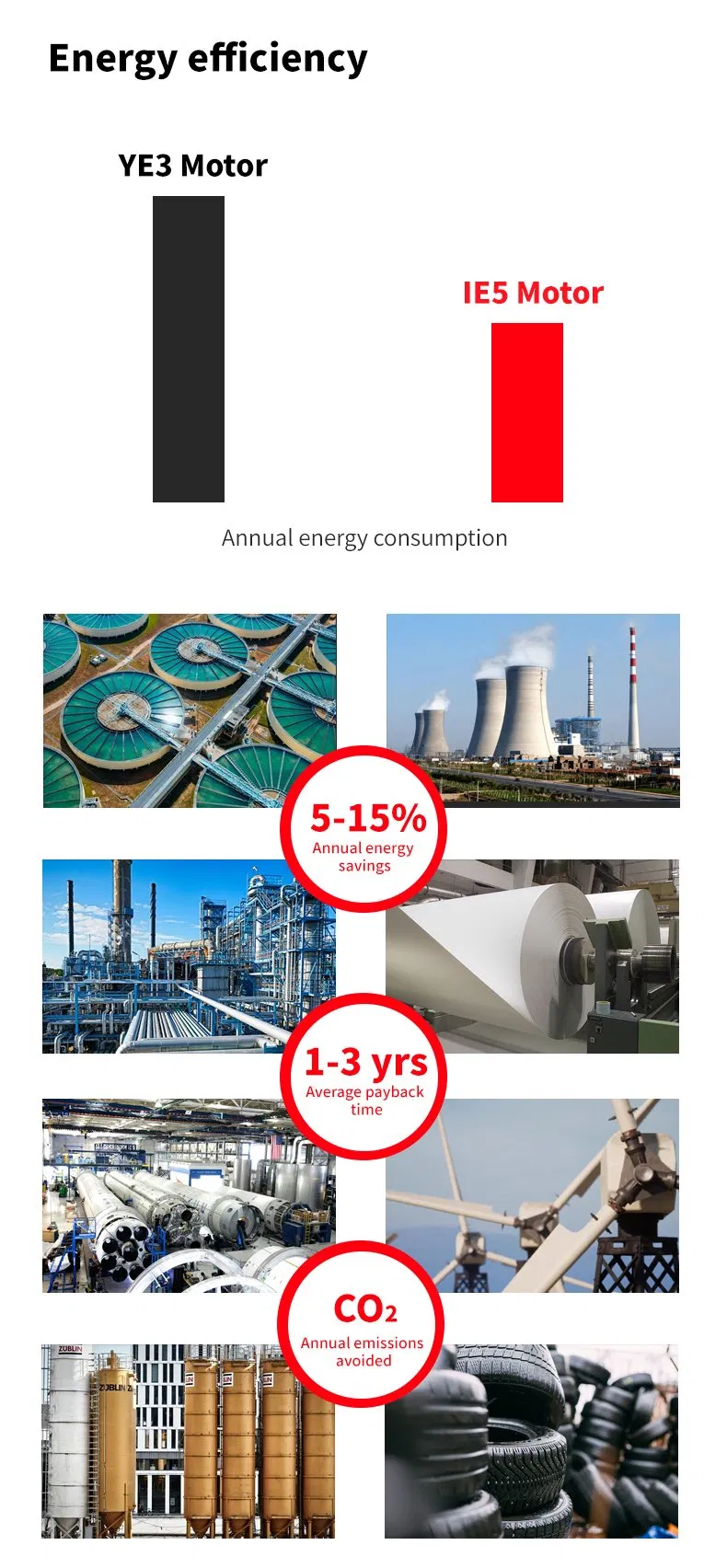
IE5 High Efficiency Energy Saving: High efficiency operation can reduce electric energy consumption by 15-45%. Equipment replacement costs can be recovered in 1-3 years.
🛡️
High Reliability: Low losses due to simple structure. Ferrite permanent magnet material avoids risk of high-temperature demagnetisation.
💰
High Economy: No rare earth materials used. Stable performance in high temperature, humidity, and corrosive environments.
🌱
Reduced Carbon Footprint: Lowers energy consumption per unit of production, supporting sustainable manufacturing.
📈
Increase Productivity: High dynamic response helps increase overall equipment productivity and reduce downtime.
1. What is a Magnet-Assisted Synchronous Reluctance Motor?
It is an advanced motor that combines synchronous reluctance technology with ferrite magnets to provide higher torque density and efficiency without using expensive rare earth materials.
2. How much energy can be saved with an IE5 motor?
IE5 motors offer ultra-premium efficiency, typically saving 15% to 45% of energy compared to standard motors, especially in variable load applications.
3. Why doesn't this motor use rare earth magnets?
By using ferrite magnets and optimized rotor geometry, the motor achieves high performance while remaining cost-stable and environmentally friendly, avoiding the supply chain volatility of rare earth elements.
4. Can this motor be used without a Variable Frequency Drive (VFD)?
Synchronous reluctance motors generally require a VFD with appropriate control algorithms to start and maintain synchronization for optimal efficiency.
5. Is it suitable for harsh industrial environments?
Yes, the motor features explosion-proof casing options and is designed to maintain stable performance in high temperature, high humidity, and corrosive conditions.
6. What is the typical ROI for upgrading to these motors?
Due to significant energy savings, most industrial users recover the additional investment cost through reduced electricity bills within 1 to 3 years.
 KPR Motor