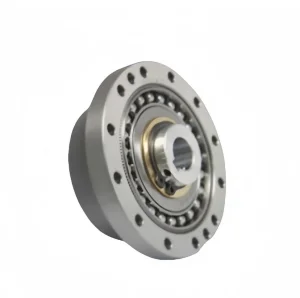
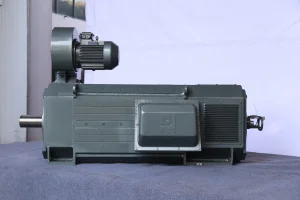
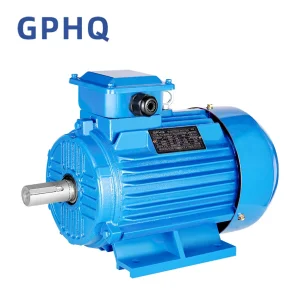
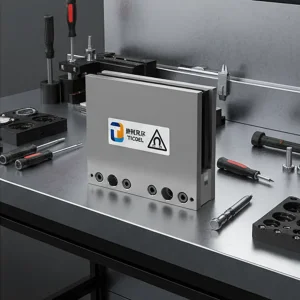
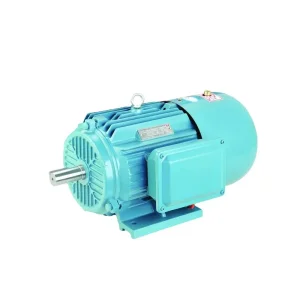
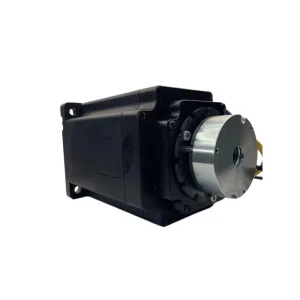
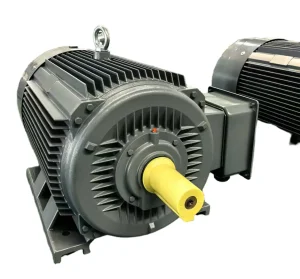
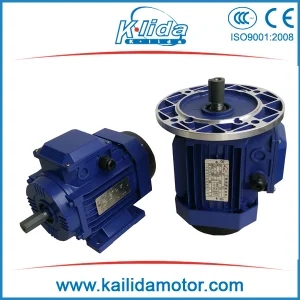
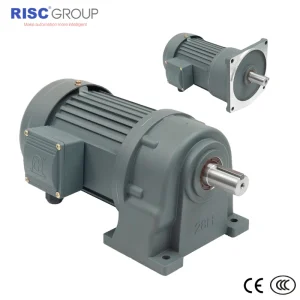
Explore our foundational range of industrial drives, precision direct motors, and highly customizable rotary gear assemblies engineered for optimal efficiency.
The global industrial ecosystem is undergoing an unprecedented shift toward electrification, digitization, and high energy efficiency. At the core of this transition lies the integration of power electronics and electric motor systems. As global organizations seek to minimize operational costs, mitigate emissions, and enhance grid compliance, selecting the right partner from the leading manufacturing hubs becomes a critical strategic imperative.
China's power electronics ecosystem has evolved from high-volume assembly lines to a world-class cluster of R&D innovation, material supply chain supremacy, and system-level engineering. Today, the country's top manufacturers do not just supply components; they deliver cohesive systems that optimize electrical conversion, mechanical output, and thermal efficiency. Through standard-setting manufacturing facilities, these suppliers satisfy the technical demands of fields as diverse as robotics, industrial automation, steel processing, chemical plants, and clean energy.
"Efficiency is no longer a luxury—it is a global regulatory and operational mandate. High-efficiency motors (IE3/IE4) combined with variable frequency technologies are the direct path to achieving sustainability targets."
Foshan KPR Motor Co., Ltd. represents the peak of modern industrial motor design and customizable powertrain integration. Founded in 2010 in the industrial core of Foshan, Guangdong, China, the company has grown into a premier supplier specializing in the research, engineering, and manufacturing of high-performance electric motors and driving controllers.
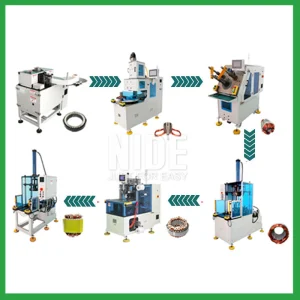
Spanning a state-of-the-art facility of over 10,000 square meters, KPR Motor leverages the skills of 200+ specialized engineering and production personnel to construct a comprehensive catalog of AC motors, DC motors, gear units, asynchronous induction systems, and custom permanent magnet solutions. The facility handles everything from magnetic core winding and CNC housing fabrication to advanced dynamically balanced rotor testing and high-voltage insulation checks. Their capability encompasses OEM and ODM services, catering directly to distributors, engineering consultants, and original equipment manufacturers across North America, Europe, South America, and the Asia-Pacific region.
Modern power electronics represents the vital bridge between source electricity and mechanical work. To operate an electric motor efficiently at variable speeds or under high dynamic loads, the application of semiconductor controls (such as insulated-gate bipolar transistors - IGBTs, and wide-bandgap silicon carbide - SiC modules) is essential. The efficiency of a variable speed system depends heavily on how well the controller matches the motor’s internal electromagnetics.
For example, linear modules and compact harmonic drives require high frequency, precise currents to achieve micro-step accuracy. Similarly, heavy-duty asynchronous motors used in chemical environments demand robust, low-harmonic inverters that protect insulation from breakdown. Chinese factories are at the forefront of this integration, embedding controllers directly onto motor frames or supplying matched packages that undergo rigorous validation in combined testing chambers.
Precise slot-fill optimization and automated needle winding reduce copper losses and ensure excellent thermal performance.
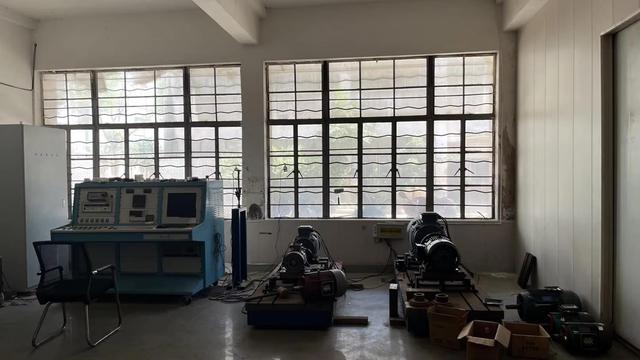
Full torque-speed profiling, vibration mapping, and heat run trials under actual load configurations.
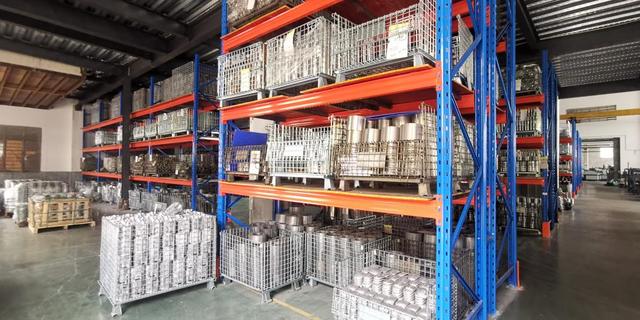
Vertical supply integration from raw steel sheets and permanent magnet raw materials to final export packaging.
The operational conditions for power electronics vary greatly across industries. A standardized approach often fails to deliver optimal results, highlighting the value of customized engineering. Key industrial applications include:
For international procurement teams, sourcing from China requires a robust checklist to verify supplier credibility and prevent risks. High-performing partners must demonstrate:
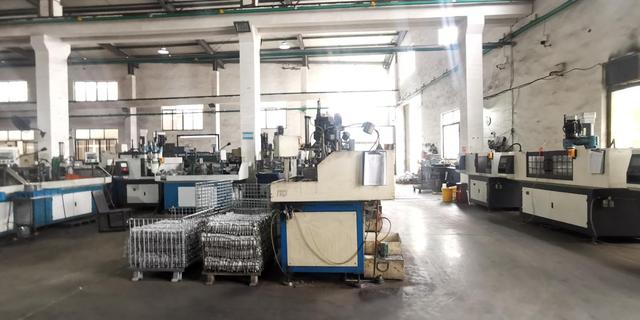
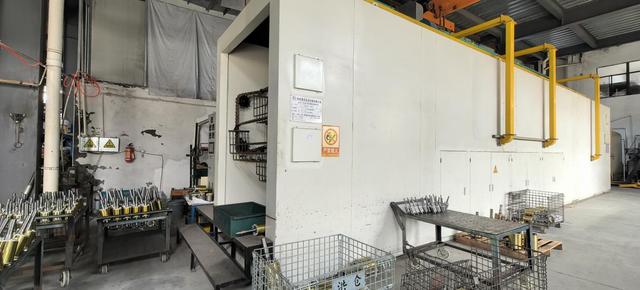
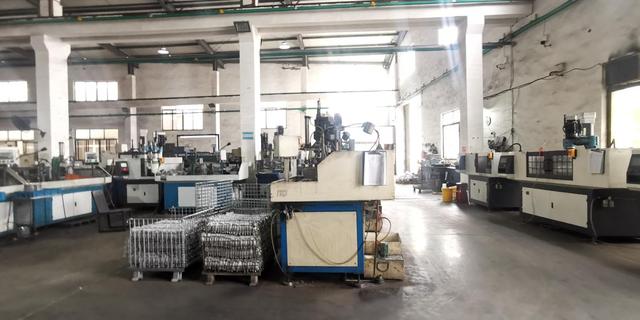
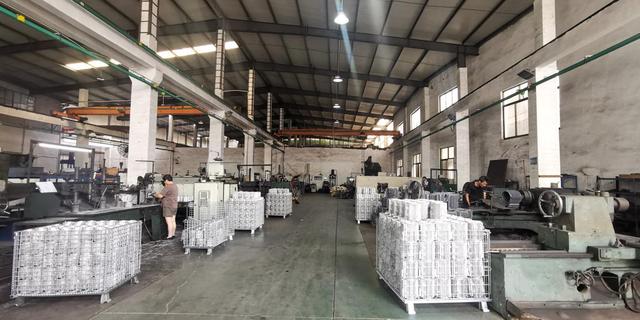
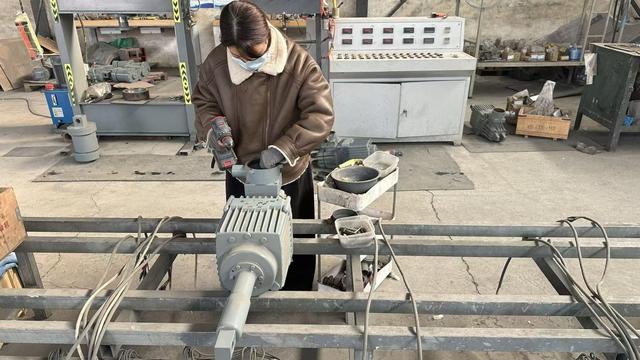
A transparent look inside our production facilities, showcasing the tooling, assembly stages, and quality inspection departments that ensure flawless execution.

Expert answers addressing the common integration, procurement, and engineering challenges faced by industrial system builders.
Upgrading to IE3 (premium) or IE4 (super-premium) motors yields significant energy savings, as electric motors consume roughly 70% of all electrical energy used in industrial environments. These motors utilize high-grade laminations, optimized copper slot-fill densities, and precise stator design to minimize core losses, winding losses, and stray load losses. This reduction in heat generation extends bearing life, enhances insulation durability, and delivers a quick return on investment in continuous operations.
A true VFD motor is designed to withstand the voltage spikes, harmonic distortion, and high temperatures associated with carrier frequency switching. It features reinforced winding insulation (typically Class H insulation with vacuum pressure impregnation), custom stator windings to combat corona discharge, and a separate cooling fan (forced ventilation) to maintain cooling flow when operating at low rotational speeds.
Explosion-proof motors (such as the Ybx3 and Ybx4 series) must carry recognized ATEX, IECEx, or CCC Ex marks. These certifications ensure that the motor’s heavy cast iron housing is designed to contain an internal explosion without igniting flammable vapors, gases, or dust in the surrounding atmosphere. The joints and seals are tightly engineered, and the surface temperatures are strictly limited to remain below the ignition point of specific hazardous substances (e.g., T4 rating limit of 135°C).
Non-linear loads from VFD controllers and switching power converters generate harmonic currents, distorting the voltage wave of the factory grid. This distortion can cause overheating in transformers, nuisance tripping of circuit breakers, and electrical interference in sensitive control systems. Implementing active front ends, line reactors, or harmonic filters helps satisfy standard grid compliance regulations like IEEE 519.
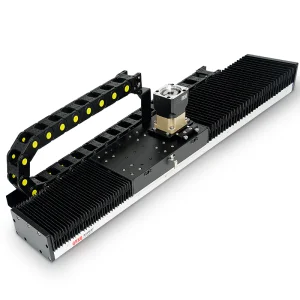
Direct-drive linear motors convert electromagnetic energy directly into linear motion, eliminating mechanical transmission components like gears, couplings, and ball screws. This design eliminates backlash, reduces wear, and enables high accelerations and travel velocities. The absence of mechanical contact also decreases maintenance requirements and ensures precise positioning accuracy in automated equipment.
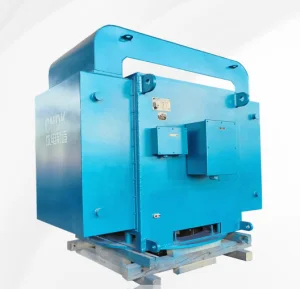
Review our specialized array of heavy-duty asynchronous engines, explosion-proof units, and integrated linear module systems for high-load applications.
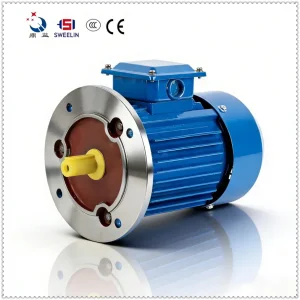
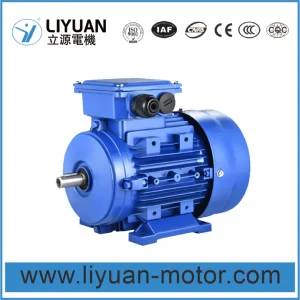
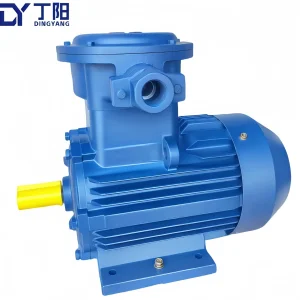
 KPR Motor