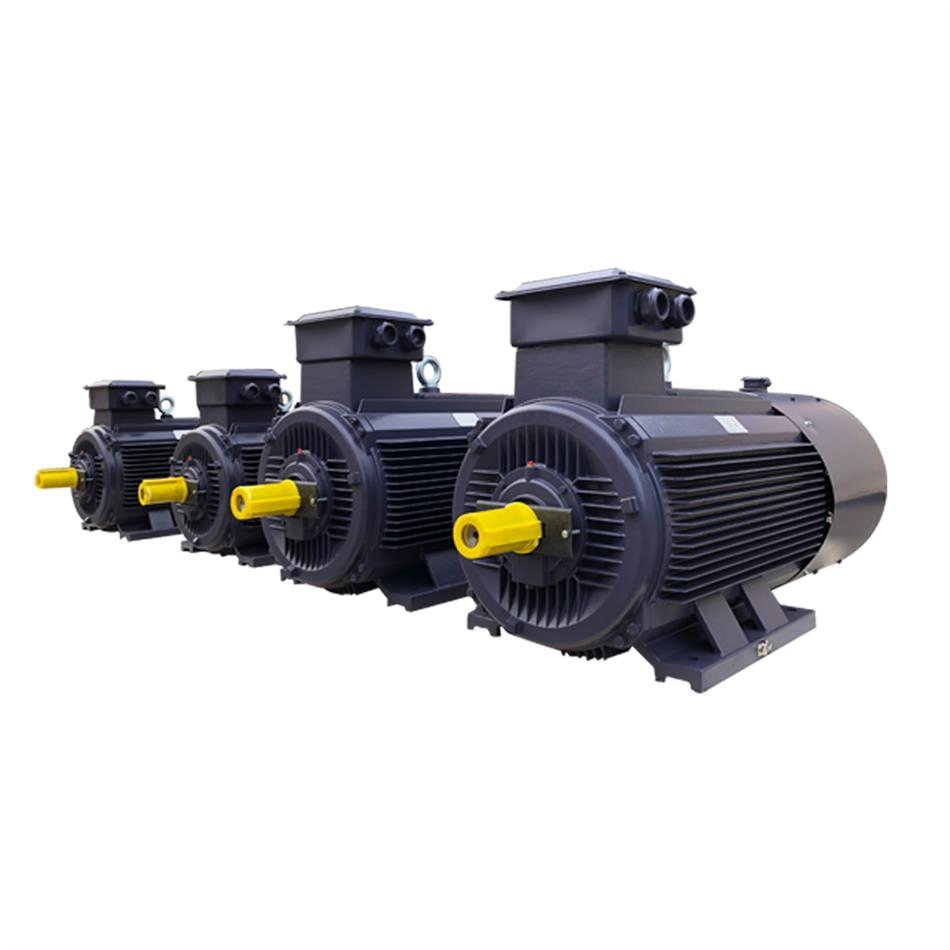
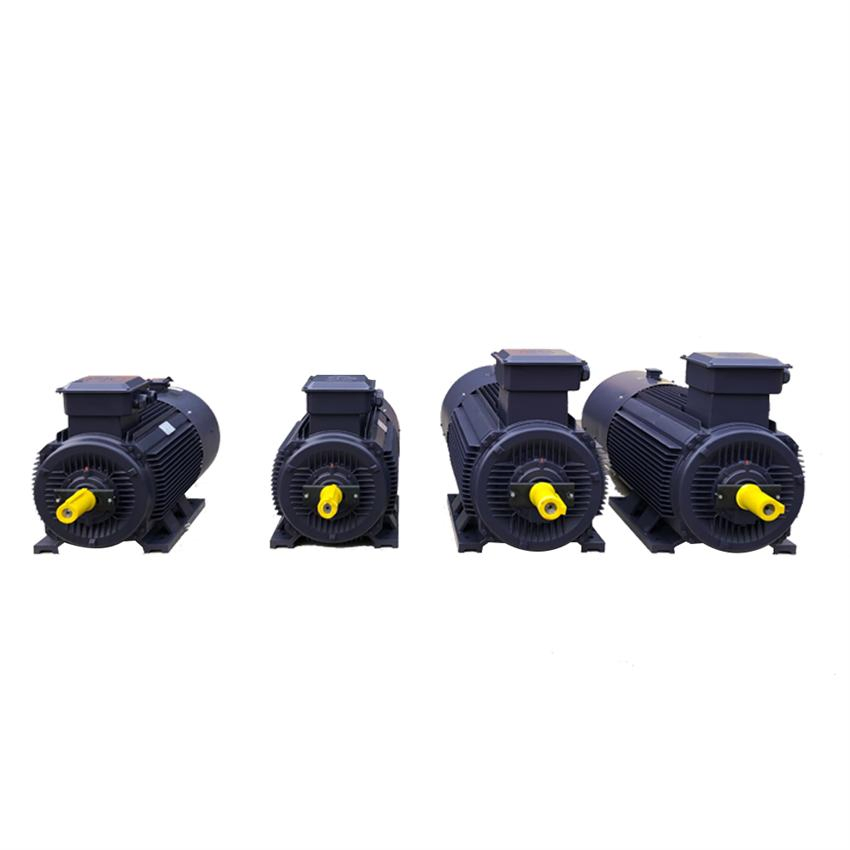
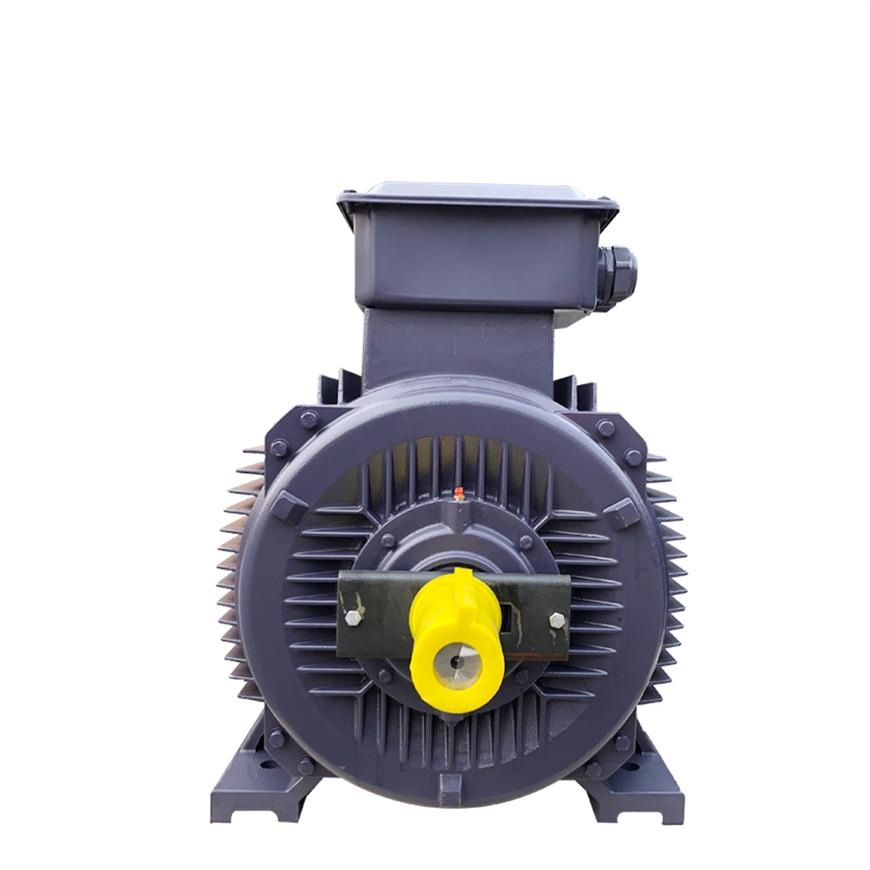
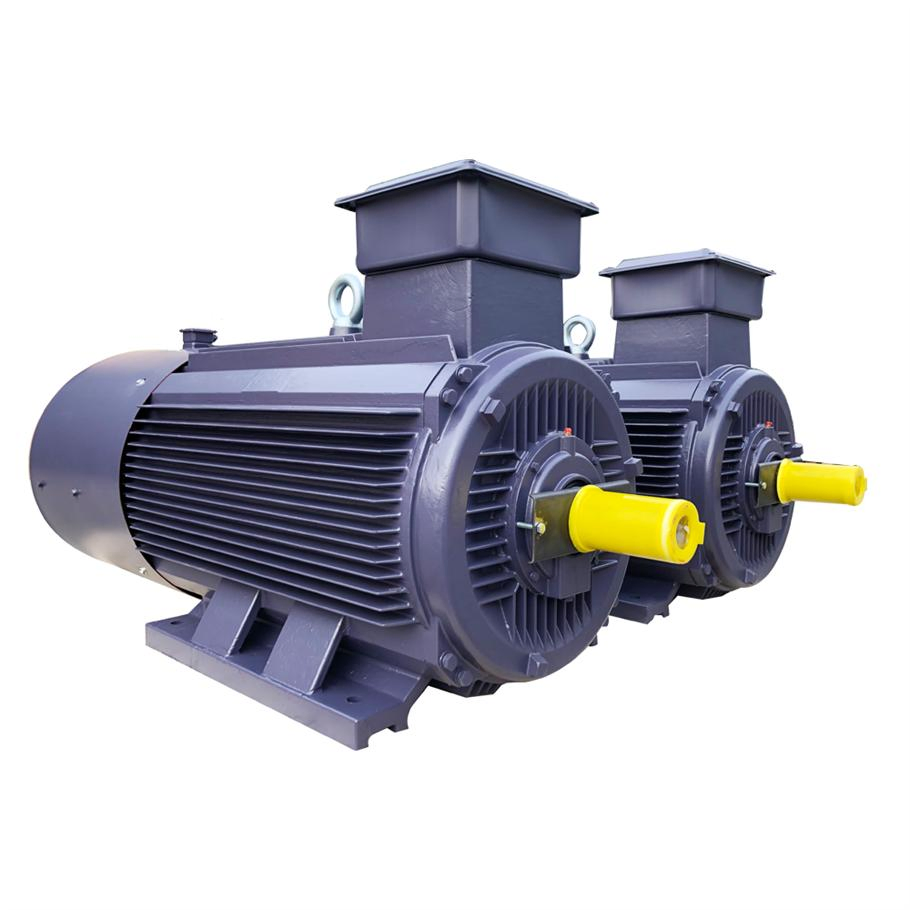
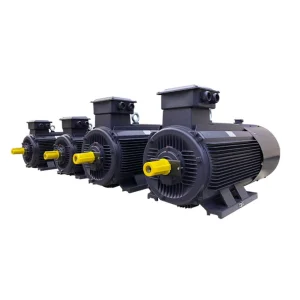
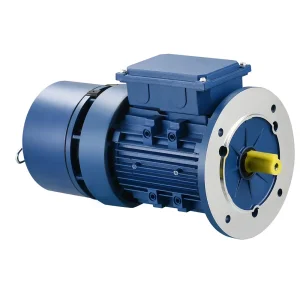
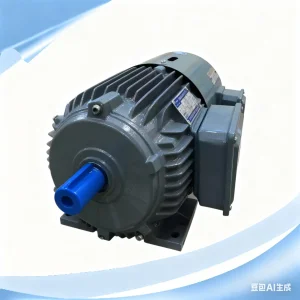
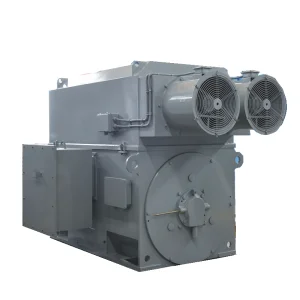
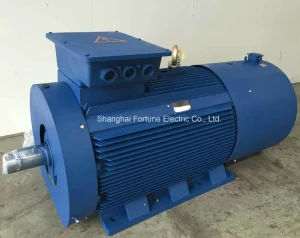
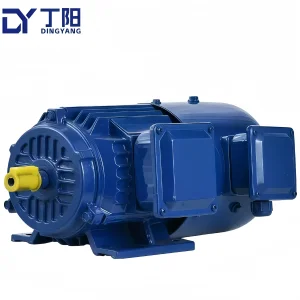
3~100Hz Frequency Variable Speed Three-Phase Asynchronous Motor VFD Motor 0.75~22kw

Application: Industrial
Operating Speed: Constant Speed
Number of Stator: Three-Phase

Product Description

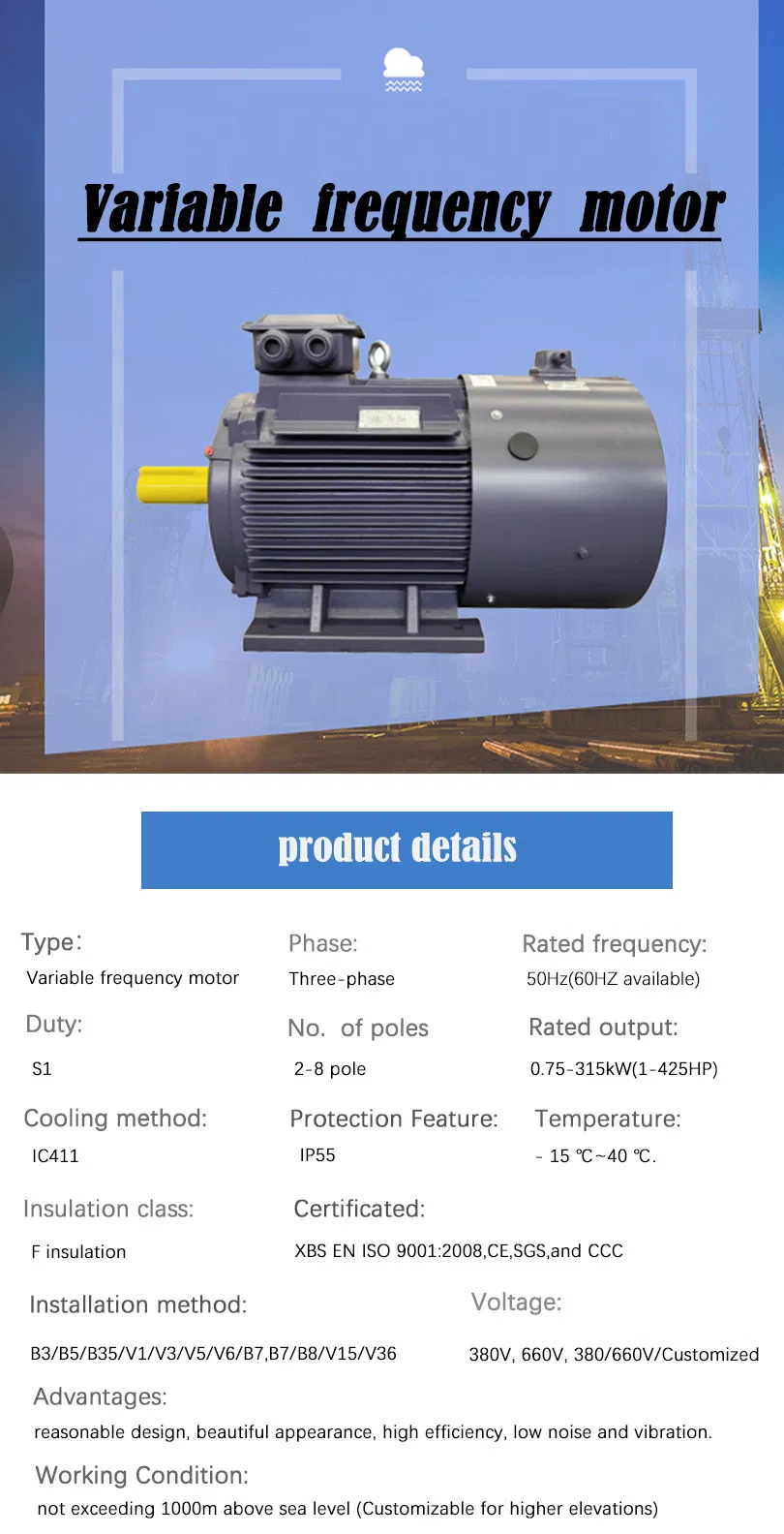
Basic Specifications

Model NO.
Variable Frequency Motor-L
Species
Y, Y2 Series Three-Phase
Rotor Structure
Squirrel-Cage
Casing Protection
Protection Type
Number of Poles
2.4.6.8.10.
Starting Mode
Direct on-line Starting
Certification
ISO9001, CCC
Item
Three Phase Asynchronous Motor
Phase
Three Phase
Voltage
380/400V/415V/660V/Customized
Temperature
- 15~40 Degree
Rated Output
0.75-315kw
Rated Frequency
50Hz(60Hz Available)
Duty
S1
Cooling Method
IC416/Customized
Protection Feature
IP55/IP54
Insulation Class
F Class
Origin
China
Working Condition
Not Exceeding 1000m Above Sea Level

Packaging & Delivery

Package Size
95.00cm * 65.00cm * 67.00cm
Package Gross Weight
392.000kg
Transport Package
Wooden Case

Product Description

Introduction of the Variable Frequency AC Motor

Variable frequency motor is a kind of AC motor. Variable frequency motors can realize different speeds and torque under the frequency converter's drive to meet the load change demand. The general frequency conversion motor is derived from the traditional squirrel cage motor; The traditional self-cooling fan is usually replaced by an independent fan, and the corona resistance of the motor winding insulation is improved.
VFD Motor Description

Core Features of VFD AC Electrical Motor

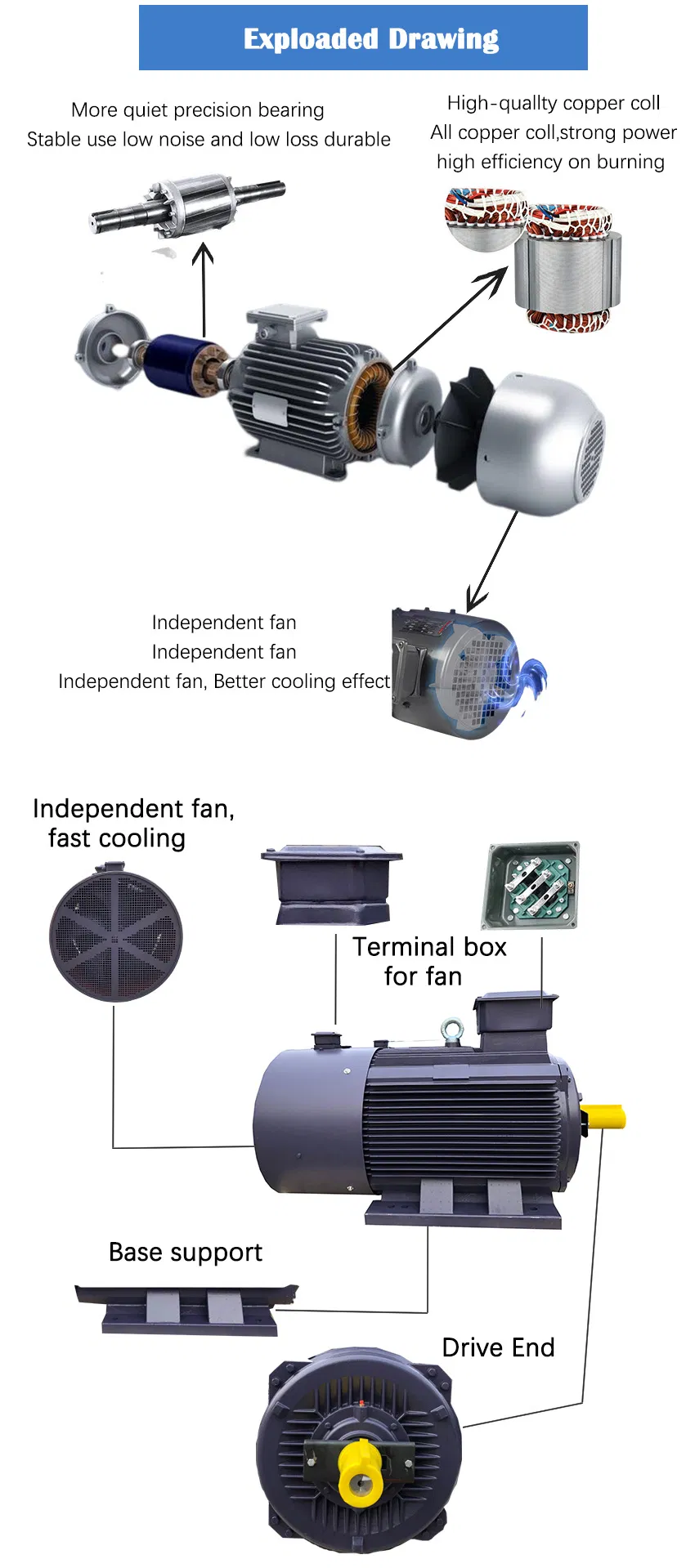
Variable frequency motor can realize different speed and torque under the drive of frequency converter to meet the demand of load change. The general frequency conversion motor is derived from the traditional squirrel cage motor; The traditional self cooling fan is usually replaced by an independent fan, and the corona resistance of the motor winding insulation is improved.
Variable speed drive motor refers to the motor that operates continuously at 100% rated load and 10%~100% rated speed under standard environmental conditions, and the temperature rise will not exceed the rated allowable value of the motor.
Variable frequency motor in Class B temperature rise design, Class F insulation manufacturing. The use of polymer insulation materials, vacuum pressure impregnation manufacturing process and special insulation structure has greatly improved the insulation withstand voltage and mechanical strength of the electrical winding, which is competent for high-speed motor operation and resistance to high-frequency current impact of frequency converter and damage to insulation caused by voltage.
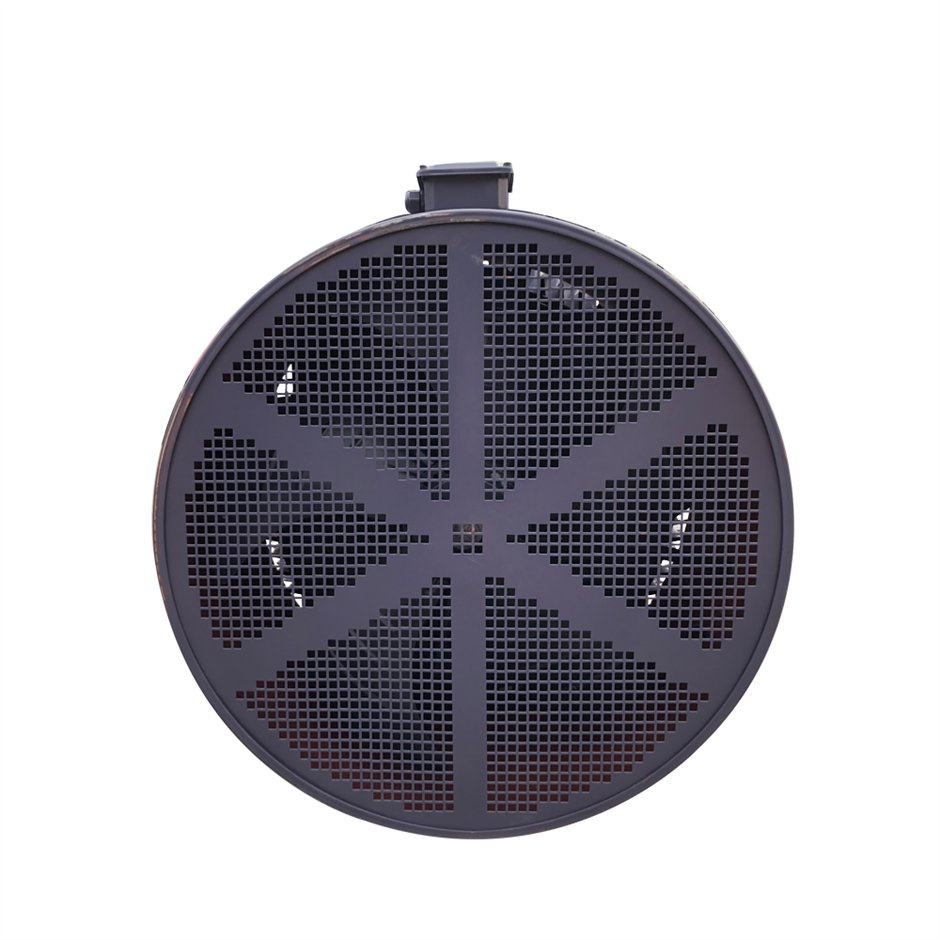
The forced ventilation and heat dissipation system adopts imported axial flow fans, which are ultra quiet, long-life and strong wind. It can ensure that the motor can get effective heat dissipation at any speed, and can realize high-speed or low-speed long-term operation.

Advantages of Variable Frequency Motor

  • Easy speed regulation and significant energy saving.
  • Simple structure, small volume, and low inertia for AC induction.
  • Low cost, easy maintenance, and high durability.
  • Expandable capacity for high-speed and high-voltage operations.
  • Soft start and fast braking capabilities.
  • Non-sparking, explosion-proof, and strong environmental adaptability.

Detailed Product Photos

Detailed Motor View

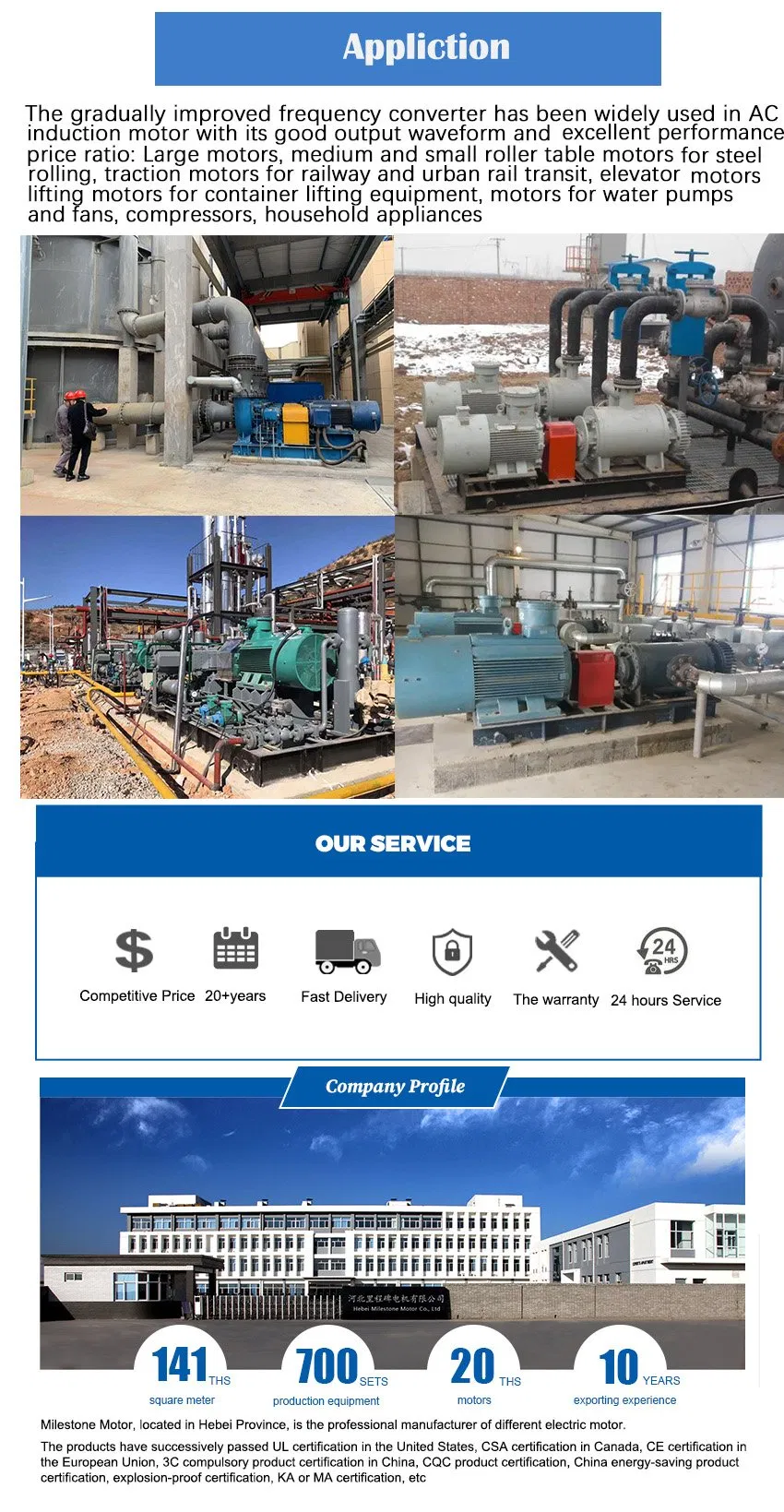
Application of VFD AC Motor

Application view 1
Application view 2

Frequently Asked Questions

Q1: What is a Variable Frequency Motor?
It is an AC motor designed to operate with a frequency converter to adjust speed and torque according to load requirements, differing from standard motors by having enhanced insulation and independent cooling fans.
Q2: How does the cooling system differ from standard motors?
Traditional self-cooling fans are replaced by independent, forced-ventilation axial flow fans. This ensures effective heat dissipation even at very low speeds.
Q3: What are the primary advantages of using a VFD motor?
Key benefits include significant energy savings, easy speed regulation, soft starting, high durability, and the ability to operate safely in high-speed or high-voltage environments.
Q4: What is the insulation class of this motor series?
These motors are manufactured with Class F insulation and a Class B temperature rise design, utilizing polymer materials and vacuum pressure impregnation for high mechanical strength.
Q5: Can these motors handle high-frequency current impacts?
Yes, the special insulation structure and high-quality bearings are specifically designed to resist the high-frequency current impacts and voltage spikes typical of frequency converters.
Q6: What working conditions are suitable for these motors?
They are ideal for environments with temperatures between -15°C and 40°C, and altitudes not exceeding 1000 meters above sea level. They are highly adaptable and explosion-proof.

Related Products