How to Troubleshoot Common Industrial Motor Issues?

Time:2026-07-24 Author:Liam
0%

Industrial motors are the backbone of numerous manufacturing processes. According to the U.S. Department of Energy, motors account for about 69% of industrial electricity consumption. Therefore, ensuring their proper functioning is crucial. Knowing how to troubleshoot industrial motor problems can save time and resources.

Common issues often include overheating, vibration, and unexpected shutdowns. The reliability of machinery is paramount. Studies show that unplanned downtime due to motor failures can reduce productivity by 10-20%. Identifying these problems early can significantly impact operational efficiency.

Ultimately, understanding the intricacies of industrial motors involves expertise. Engaging with experienced technicians is invaluable. Yet, not all companies prioritize training, leading to unresolved issues. Therefore, addressing how to troubleshoot industrial motor problems is essential for optimal performance and a proactive approach to maintenance.
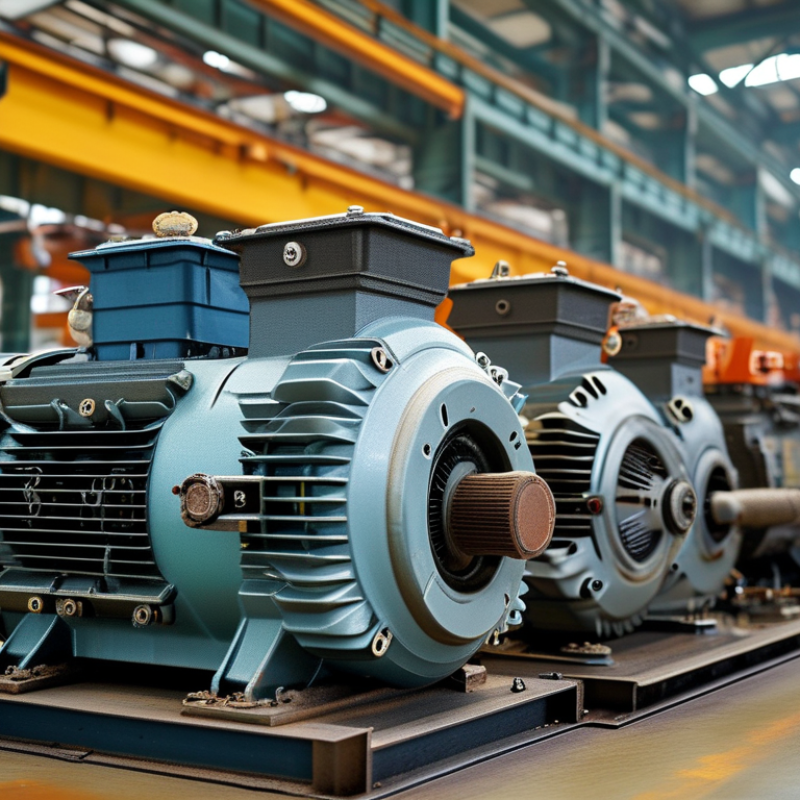
How to Troubleshoot Common Industrial Motor Issues?

Identify Common Symptoms of Motor Malfunction in Industrial Settings

In industrial settings, identifying motor malfunctions starts with recognizing common symptoms. A motor running unusually hot can signal problems. This could result from overloading or insufficient lubrication. It's crucial to check the operating conditions. Use a thermal camera for precise measurements to detect hotspots.

Strange noises often indicate issues as well. Grinding or whining sounds may point to worn bearings or misalignment. These problems should not be ignored. Regular maintenance can prevent unexpected breakdowns. Additionally, monitor the motor's vibration levels. Excessive vibration can lead to serious failures.

Sometimes, motors exhibit reduced efficiency. If a machine is slower than usual, it might be struggling. This inefficiency can be caused by several factors, such as electrical issues or mechanical wear. Don't overlook these signs. They can lead to costly repairs if not addressed promptly. Keep records of symptoms to track changes over time.

Understand the Electrical Issues Affecting Industrial Motors and Solutions

Electrical issues are common in industrial motors. Overheating is a prevalent problem. This often results from poor ventilation or excessive load. When motors operate in hot environments, thermal stress increases. Regularly check for dust accumulation and blockages. Addressing airflow early can prevent severe damage.

Voltage fluctuations are another concern. Motors may stall or run inefficiently under these conditions. Ensure a stable power supply and proper grounding. Inspect wiring and connections regularly to detect wear or corrosion. These small failures can lead to significant operational delays.

Sometimes, motors suffer from misalignment. This can cause vibrations and premature wear. Regular alignment checks are crucial. Inspect coupling and bearing placements. While troubleshooting, don’t dismiss unusual noises. They can signal deeper mechanical issues. Awareness of these details is essential for efficient motor operation.

Common Industrial Motor Issues and Their Frequency

Explore Mechanical Problems Leading to Motor Failures and Their Fixes

Mechanical issues are a common cause of industrial motor failures. Overheating is often a significant problem. When motors run at high temperatures, insulation can deteriorate. This leads to short circuits or complete motor failure. Regularly check the motor temperature. If it exceeds normal levels, inspect the cooling system. Ensure fans are working efficiently and ducts aren't blocked.

Another prevalent issue is vibration. Excessive vibrations can indicate misalignment or imbalance. Misaligned motors can lead to wear and tear. This may cause bearing failure or further damage to the rotor. A simple visual inspection may reveal misalignment. Realigning the motor can often solve this problem. Perhaps you notice that the motor is unstable. Regular monitoring can help catch these issues early.

Moreover, lubrication plays a critical role. Insufficient lubrication can lead to increased friction and heat. Identify lubrication points on the motor. Check the oil levels according to the manufacturer's recommendations. Over-lubrication can also be a problem. It may cause seal leaks or attract debris. Proper lubrication is essential for optimal motor performance. Regular maintenance is the key to avoiding these common problems.

How to Troubleshoot Common Industrial Motor Issues

Issue Symptoms Causes Solutions
Overheating High temperature, burning smell Inadequate cooling, overloaded circuits Improve ventilation, check load capacity
Unusual Noises Grinding, buzzing, rattling sounds Loose components, lack of lubrication Tighten components, lubricate bearings
Vibration Excessive shaking Misalignment, imbalanced rotor Realign motor, check balance
Failure to Start No movement or sound Power supply issues, faulty start switch Check power connections, replace switch
Frequent Trips Circuit breaker tripping often Short circuits, overloading Inspect wiring, assess load

Analyze Thermal and Overload Conditions Resulting in Motor Damage

Thermal and overload conditions can cause significant damage to industrial motors. When a motor overheats, it can lead to insulation failure, which compromises performance. Monitoring the motor's temperature is crucial. Install temperature sensors to track heat levels. Regularly check for blocked ventilation. Good airflow is essential to maintain appropriate operating temperatures.

Overload is another common problem. When motors draw more current than designed, they experience excessive stress. This can prematurely wear out components. Using overload relays can prevent damage. Regular maintenance is important. Check for any misalignments in your motor system. Minor adjustments can make a significant difference in efficiency.

Tips: Always keep a close eye on motor operation data. If you notice unusual patterns, investigate them promptly. Implement a routine inspection schedule to catch problems early. Keeping records of motor performance can help identify recurring issues.

Implement Regular Maintenance Practices to Prevent Motor Issues in Factories

Regular maintenance is essential for ensuring the longevity of industrial motors. According to a recent industry report from the National Electrical Manufacturers Association, over 30% of motor failures are due to poor maintenance practices. Neglecting routine checks can lead to costly downtime and repairs. Factories must prioritize these practices to avoid unnecessary financial strain.

Tips: Schedule monthly inspections to check for unusual vibrations or sounds. Such signs often indicate potential issues. Use infrared thermography to detect overheating, a common precursor to motor failure. Regular lubrication of moving parts can also significantly reduce wear and tear.

In a survey by the U.S. Department of Energy, 20% of plant managers admitted that maintenance schedules are often overlooked. This critical lapse can result in increased energy consumption and lower efficiency, affecting overall productivity. Lack of proper documentation can often lead to misconceptions about motor conditions. Factories need to keep accurate logs of maintenance activities and repairs to make informed decisions.

FAQS

: What are common symptoms of motor malfunctions?

: Common symptoms include overheating, unusual noises, excessive vibration, and reduced efficiency.

How can overheating in motors be detected?

Use a thermal camera to spot hotspots and check for dust or airflow blockages.

What causes strange noises in motors?

Grinding or whining sounds may indicate worn bearings or misalignment issues.

Why is regular maintenance important for motors?

Regular maintenance helps prevent unexpected breakdowns and costly repairs over time.

What electrical issues can affect industrial motors?

Voltage fluctuations and poor ventilation are prevalent issues that can lead to inefficiencies.

How can I monitor motor performance effectively?

Keep records of symptoms and inspect wiring, alignment, and connections regularly.

What role does documentation play in motor maintenance?

Accurate logs help track maintenance history and inform future decisions on repairs.

What practices can reduce wear on motors?

Regular lubrication of moving parts and monthly inspections are effective preventative measures.

How often should motor inspections be scheduled?

Monthly inspections can help detect unusual signs that indicate potential issues early.

What can result from overlooking maintenance schedules?

Overlooked schedules can lead to increased energy consumption and reduced overall productivity.

Conclusion

This article outlines essential steps on how to troubleshoot industrial motor problems, focusing on both electrical and mechanical issues. It emphasizes the importance of identifying common symptoms of motor malfunction in industrial settings, such as unusual noises, vibrations, and overheating. Understanding electrical issues is crucial, as they can lead to significant operational failures; solutions include checking connections and voltage levels.

Additionally, the article explores mechanical problems that can cause motor failures, such as misalignment and bearing wear, and provides practical fixes for these issues. It also highlights the thermal and overload conditions that may result in motor damage, advocating for strategies to mitigate these risks. Finally, implementing regular maintenance practices is crucial for preventing future motor issues in factories, ensuring longevity and efficiency in industrial operations.

Liam

Liam

Liam is a dedicated marketing professional with a profound expertise in the industry, where he excels at highlighting the unique advantages of our core products. With a keen understanding of market trends and consumer needs, Liam frequently updates our company’s professional blog, providing......