Industrial motors are the backbone of numerous manufacturing processes, playing a pivotal role in productivity and efficiency. Understanding what factors affect industrial motor performance is crucial for optimizing operations. Industry reports indicate that motor performance can fluctuate based on various parameters, including load conditions, ambient temperature, and maintenance practices. According to the International Energy Agency, up to 70% of industrial energy consumption can be linked to motor systems. This highlights the importance of performance in overall energy efficiency.
Key factors such as lubrication quality, motor size, and the type of control systems significantly influence performance. The Motor Systems Market Assessment by the U.S. Department of Energy reveals that poorly functioning motors can lead to energy losses of 30% or more. Decisions regarding material selection and design processes also significantly impact durability and efficiency. Companies often overlook these aspects, leading to unexpected downtime and costs.
Despite the wealth of available data, there remains a gap in comprehensive understanding among practitioners. Some businesses fail to implement proactive maintenance schedules. Addressing these shortcomings is critical for improving overall motor performance and reliability. Enhancing knowledge about these critical factors can drive better decision-making and foster increased operational efficiency.
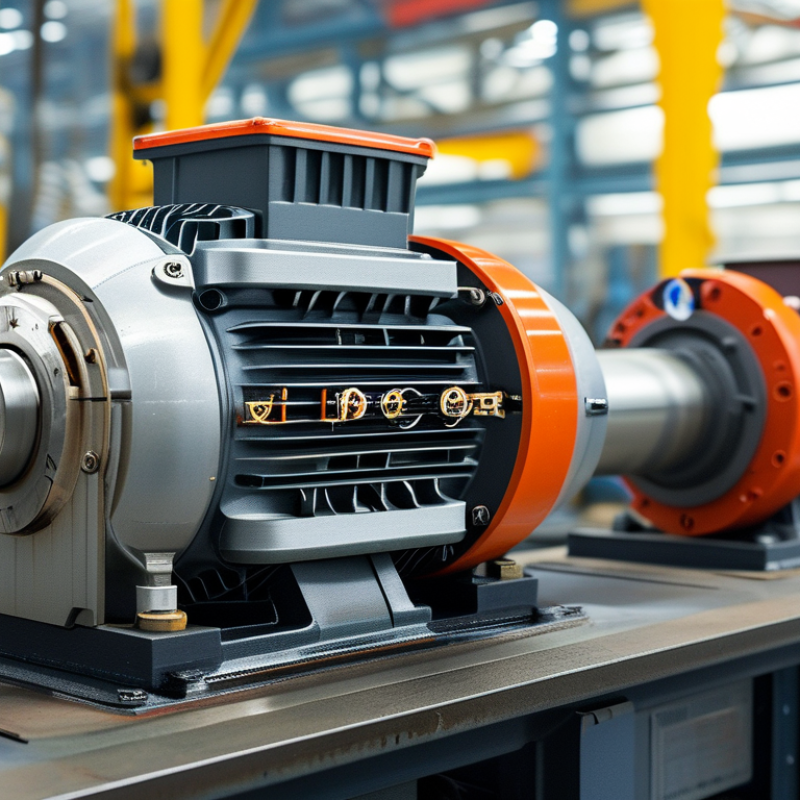
Key Factors Influencing Industrial Motor Efficiency and Performance
Industrial motors play a vital role in numerous applications. Efficiency and performance heavily depend on various factors. Understanding these can help optimize your systems.
One key factor is load conditions. Underloading or overloading can lead to inefficiency. Properly matching the motor's capacity to the load is crucial. Keep an eye on heat generation, as excessive heat can degrade performance. Regular maintenance is also essential. Neglected motors may suffer from wear and tear, impacting efficiency.
Tips: Monitor your motor’s temperature regularly. Use thermal imaging for a quick check.
Another vital aspect is the power supply quality. Voltage fluctuations can adversely affect motor operation. Ensure that the supply voltage remains stable to improve performance. Harmonics in the power supply can also disrupt motor performance. Use filters to mitigate these issues.
Tips: Invest in power quality monitoring systems to spot problems early.
Lastly, the environment plays a significant role. Dust, humidity, and corrosive elements can affect motor longevity. A clean and controlled environment will enhance performance. Adapting to these variables can make a noticeable difference in outcomes. Each factor needs attention for optimal operation.
Understanding Motor Design and Its Impact on Performance
Understanding motor design is crucial for optimizing industrial motor performance. The design process involves selecting materials, magnetic configurations, and cooling techniques. Each of these factors influences how efficiently a motor operates. For instance, high-quality materials can significantly reduce energy losses. Poor selections may lead to overheating and reduced lifespan.
Magnetic design plays a pivotal role in motor efficiency. The arrangement of magnets affects torque generation and speed. Engineers often face challenges in balancing these elements. A design with strong magnets can increase performance but may also raise costs. This trade-off requires careful consideration.
Cooling systems are another essential aspect of motor design. They prevent overheating and ensure reliable operation. Inadequate cooling can shorten a motor's lifespan. Designers must analyze how effectively a cooling system can manage heat under varying loads. Continuous evaluation and iteration during the design phase allow for enhancements. Striking the right balance between performance and durability is an ongoing challenge in motor design.
10 Key Factors That Affect Industrial Motor Performance
| Factor |
Description |
Impact on Performance |
| Motor Design |
The physical structure and components of the motor. |
Affects efficiency, torque, and speed. |
| Material Quality |
Quality of the materials used in manufacturing the motor. |
Influences durability and heat resistance. |
| Bearing Type |
Type of bearings used can affect friction and wear. |
Optimal bearing reduces energy loss. |
| Cooling Systems |
Methods employed to dissipate heat during operation. |
Prevents overheating, ensuring longer life. |
| Load Conditions |
The type and amount of load the motor drives. |
Affects efficiency and operational stability. |
| Voltage and Frequency |
Parameters of the electrical supply to the motor. |
Direct impact on speed and torque production. |
| Control Systems |
Systems managing motor operations and performance. |
Enhances operational precision and responsiveness. |
| Environmental Conditions |
Surrounding conditions such as temperature and humidity. |
Can affect motor heating and service life. |
| Maintenance Practices |
Regularity and thoroughness of motor upkeep. |
Impacts reliability and performance longevity. |
The Role of Power Supply Quality in Motor Operation
The quality of power supply plays a critical role in the performance of industrial motors. Consistent voltage and stable frequency are essential. Fluctuations can cause motors to operate inefficiently. An unreliable power source not only diminishes performance but can also lead to premature failures. Motors may overheat or experience increased wear when facing poor supply conditions.
To illustrate, a voltage drop can reduce torque output, affecting production processes. In contrast, a spike in voltage can damage sensitive motor components. Maintenance is often reactive rather than proactive. Industries need to monitor power quality closely to avoid costly machine downtime. Regular testing and assessment can help identify supply issues before they escalate.
Having knowledgeable staff is vital. They can analyze performance data related to power supply quality. This expertise helps in making informed decisions regarding any necessary upgrades. A lack of awareness about power quality can lead to missed opportunities for optimization.
It’s crucial to cultivate an environment where power issues are addressed before becoming larger problems.
Temperature Effects on Motor Performance and Longevity
Temperature plays a crucial role in industrial motor performance. High temperatures can lead to overheating, causing insulation degradation. This significantly shortens a motor's lifespan. Conversely, extremely low temperatures can increase resistance and hinder performance. Maintaining an optimal operating temperature is vital for efficiency.
In practice, it’s important to monitor temperature regularly. Consider installing temperature sensors in critical areas. These devices can provide real-time data, alerting you to any overheating issues. A cooling system might also be necessary in high-temperature environments to ensure motor longevity.
Regular maintenance is a key factor. Dust and debris can accumulate and trap heat. Ensure that vents and cooling fans are clean for proper airflow. Additionally, lubricating moving parts reduces friction and helps manage heat generation. Recognizing early signs of overheating can prevent costly repairs. Pay attention to unusual sounds or odors from motors; these can indicate impending failure.
Common Mechanical Issues and Their Consequences on Motors
Understanding common mechanical issues in industrial motors is crucial for optimal performance. One prevalent issue is misalignment. When motor components are misaligned, it can lead to vibrations. These vibrations can cause bearings to wear out faster, potentially resulting in failure.
Another common problem is overheating. Overheating can arise from excessive load, poor lubrication, or dirt accumulation. Motors running too hot can suffer from insulation breakdown. This leads to electrical failures and can significantly reduce the motor's lifespan. Addressing cooling systems and ensuring proper airflow is vital.
Bearing failure is also a frequent concern. Improper installation or inadequate lubrication can severely impact motor performance. When bearings fail, it can halt production lines. Regular maintenance checks can minimize unexpected downtime. Keeping an eye on these issues is not just recommended; it’s essential for sustained motor efficiency.
The Importance of Regular Maintenance for Optimal Motor Function
Regular maintenance plays a vital role in ensuring optimal motor function. Motors are complex machines, and neglecting their upkeep can lead to significant performance issues. Routine checks can identify wear and tear early. This helps to prevent unexpected breakdowns that can halt productivity.
Visual inspections should include checking for signs of overheating or unusual noises. These indicators often signal underlying problems. Keeping the motor clean from dust and debris is essential. A clean environment enhances cooling efficiency, reducing the risk of overheating.
Lubrication is another critical aspect of maintenance. It ensures that moving parts operate smoothly and reduces friction. However, it's easy to overlook this step. Many operators might forget to check the lubrication levels regularly. This could result in accelerated wear. A proactive maintenance schedule can guide operators to check lubrication levels frequently. Regular attention to these factors can prolong a motor's lifespan significantly while maintaining its efficiency.
10 Key Factors That Affect Industrial Motor Performance
The bar chart above illustrates the impact level (on a scale of 1 to 10) of various key factors influencing industrial motor performance. Regular maintenance addressing these factors is essential for optimal motor function and longevity.
Conclusion
Understanding what factors affect industrial motor performance is crucial for optimizing their efficiency and longevity. Key influences include motor design, which significantly impacts performance by determining the operational characteristics and energy consumption of the motor. Additionally, the quality of the power supply is vital; fluctuations can lead to suboptimal performance and potential damage.
Temperature also plays a critical role; excessive heat can reduce motor efficiency and lifespan. Moreover, common mechanical issues such as misalignment and wear can have serious consequences, impacting functionality. Regular maintenance is essential to address these problems and ensure that motors operate at peak efficiency, ultimately prolonging their life and improving overall productivity in industrial applications.

 KPR Motor