In the field of industrial motors, ensuring quality is paramount. Many factors contribute to the reliability and performance of these systems. One critical aspect often discussed is what certifications should industrial motors have. These certifications serve as benchmarks for quality assurance. They reflect not only compliance with safety standards but also the durability of the products.
When considering industrial motors, manufacturers and buyers must prioritize certification credibility. Recognized organizations establish rigorous testing protocols. Motors certified by reputable entities often display superior performance. This guarantees that they can withstand demanding operational conditions. However, the landscape of certifications can sometimes be confusing. Some may not provide the same level of assurance or relevance to specific applications.
Moreover, while certifications are essential, they should not be the sole focus. The manufacturing process and material quality also greatly affect motor performance. It’s crucial to foster an environment where ongoing assessment and improvement are standard practices. This encourages reliability and innovation, brushing against the question of how rigidly certifications should be enforced.
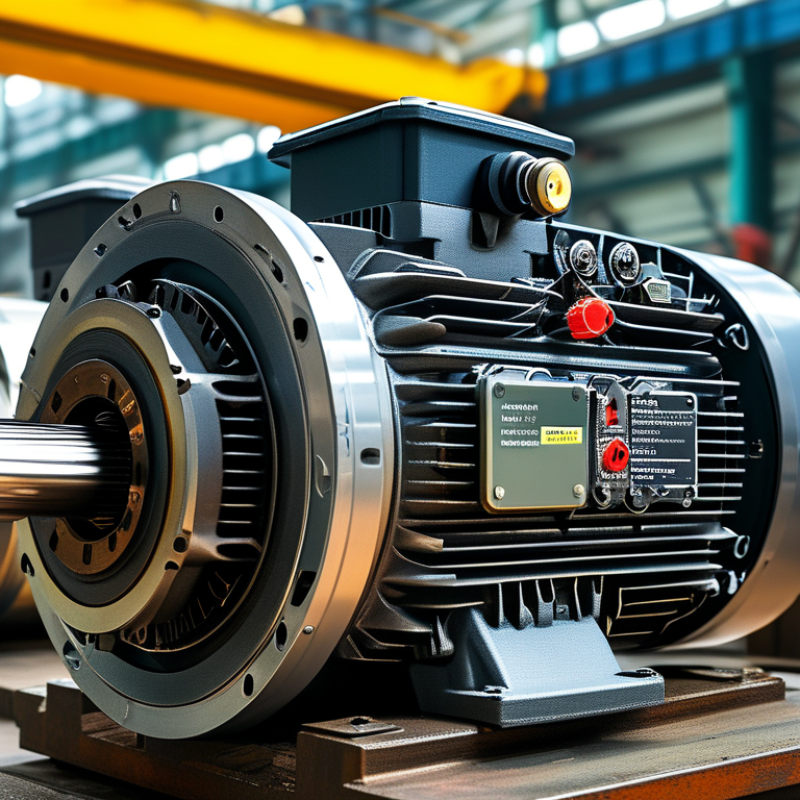
Overview of Industrial Motor Certifications
When considering industrial motors, certifications play a vital role in ensuring quality and reliability. Various organizations provide these essential certifications, including the International Electrotechnical Commission (IEC) and Underwriters Laboratories (UL). These standards confirm the motors meet specific safety, efficiency, and performance criteria. For instance, motors that comply with IEC 60034 can ensure optimal energy efficiency. This is important as energy consumption makes up a significant part of operational costs in manufacturing.
Moreover, the National Electrical Manufacturers Association (NEMA) oversees the performance standards of motors in the U.S. A recent survey indicated that over 70% of motor failures are due to poor quality and inadequate testing. Therefore, verifying certifications can greatly reduce failure risks. Additionally, manufacturers must ensure compliance with the ISO 9001 standard for quality management systems. This helps maintain operational excellence and customer satisfaction.
The focus on certifications highlights a growing recognition of their importance. However, some manufacturers may cut corners to reduce costs, which can lead to substandard products. This emphasizes the need for thorough evaluations of certification claims. In practice, the reliability of industrial motors directly impacts production efficiency, making it essential to prioritize certified products in purchasing decisions.
Importance of Quality Standards in Industrial Motors
When considering industrial motors, quality standards play a crucial role. These standards ensure that motors operate efficiently and safely. They establish benchmarks for performance, reliability, and durability. Industries heavily rely on these motors for various applications. Without proper certifications, the risk of failures increases significantly.
Quality standards like IEC, NEMA, and ISO help in gauging motor performance. They cover aspects such as energy efficiency, safety, and environmental impact. Motors that meet these standards often last longer. This reduces maintenance costs and downtime. It’s important to recognize that not all motors may meet the highest benchmarks. Some may look robust but fail under heavy-duty conditions.
Regular audits and testing are necessary to maintain quality. Using motors without proper certification can lead to serious consequences. Uncertified motors might not perform as expected. This can disrupt production and lead to unexpected costs. Investing in certified industrial motors is essential for long-term reliability and efficiency. Quality is not just about initial costs; it’s about overall value.
What Certifications Should Industrial Motors Have for Quality? - Importance of Quality Standards in Industrial Motors
| Certification |
Description |
Importance |
| ISO 9001 |
Quality management systems standard |
Enhances customer satisfaction and operational efficiency |
| IEC 60034 |
International standard for rotating electrical machines |
Ensures performance and reliability of electric motors |
| NEMA MG 1 |
Standard for motors and generators |
Provides guidelines for efficiency and safety |
| UL Certification |
Safety certification to ensure compliance with safety standards |
Reduces risk of fire and electrical shock |
| CE Marking |
Indicates compliance with European health and safety standards |
Facilitates market access in Europe |
| RoHS Compliance |
Restriction of hazardous substances in electrical and electronic equipment |
Ensures product safety and environmental responsibility |
Common Certifications for Industrial Motors
When selecting industrial motors, certifications play a crucial role in ensuring quality. Various standards are recognized globally, impacting how motors are manufactured and tested. For example, motors may require compliance with the International Electrotechnical Commission (IEC) standards. These protocols focus on safety and performance. Meeting these standards shows that the motor can withstand industrial conditions.
Underwriters Laboratories (UL) certification is another important marker. It guarantees that the motor meets specific safety and performance benchmarks. Motors that carry UL marks demonstrate reliability in critical applications. The National Electrical Manufacturers Association (NEMA) standards cover efficiency ratings. These help determine how energy-efficient a motor is.
Consider also certifications for reliability, like the ISO 9001. This certification assures that manufacturers follow quality management systems. While many motors strive for these certifications, not all achieve them. Therefore, it's essential to verify the certifications. Assess if they align with your operational needs. Choosing certified motors can mitigate risks associated with performance and safety.
Common Certifications for Industrial Motors
This chart displays the common certifications that industrial motors typically possess to ensure quality and compliance. Each certification reflects a standard that motors must meet for safety, efficiency, and performance in various industrial applications.
Regulatory Bodies and Their Role in Certification
In the industrial motors sector, regulatory bodies play a crucial role. Their certifications ensure that products meet safety and performance standards. A report by the International Electrotechnical Commission (IEC) highlights that around 70% of electrical faults stem from poor motor quality. This statistic underscores the importance of rigorous certification processes.
Various regulatory organizations, such as Underwriters Laboratories (UL) and the European Committee for Electrotechnical Standardization (CENELEC), create and enforce these quality standards. Their guidelines cover aspects like thermal protection, efficiency, and noise levels. Research indicates that certified motors can reduce energy consumption by up to 30%. This not only delivers economic benefits but also aligns with sustainability goals.
Despite the importance of certification, gaps remain in adherence. Some manufacturers cut corners to save costs, risking both product quality and user safety. Proper oversight is essential to prevent this trend. Commitment to quality and compliance can help build trust in industrial motor products. Yet, continuous improvement is needed in certification practices to effectively address emerging industry challenges.
Benefits of Certified Industrial Motors for Consumers
Certified industrial motors offer numerous benefits to consumers, ensuring high standards of quality and safety. These certifications often include rigorous testing procedures. Manufacturers must comply with strict regulations. As a result, consumers can trust that the motors they purchase have undergone substantial evaluation. This transparency is vital in industries where equipment reliability is critical.
When consumers opt for certified industrial motors, they gain peace of mind. They are assured that their purchase will perform optimally and have a longer lifespan. Certified motors can lead to fewer equipment failures, which means lower maintenance costs over time. Yet, it's essential to remain vigilant, as not all certifications are created equal. Some may be outdated or less stringent. Consumers should research the validity of certification claims.
Additionally, certification can also impact energy efficiency. Many certified motors meet specific environmental guidelines, promoting sustainability. However, while energy-efficient options may seem advantageous, initial costs can be higher. Consumers must weigh these factors against their needs. Ultimately, prioritizing certified industrial motors can lead to enhanced performance and reliability. Yet, informed choices are key in navigating the landscape of industrial equipment.
Conclusion
When considering what certifications should industrial motors have, it's essential to understand the role of quality standards in ensuring reliability and performance. Industrial motors are often subject to various certifications that validate their safety and efficiency, and these standards are crucial for maintaining consistency within the industry. Common certifications include ISO, NEMA, and IEC, each serving to demonstrate compliance with specific quality benchmarks.
Regulatory bodies play a significant role in the certification process, ensuring that industrial motors meet necessary guidelines and safety requirements. For consumers, opting for certified industrial motors translates to higher trust and assurance in product quality, resulting in enhanced operational efficiency and reduced risk of failure. Therefore, understanding these certifications is vital for any stakeholder involved in industrial motor procurement or usage.

 KPR Motor