Industrial motors rarely overheat without warning. A warm frame, a sharp insulation smell, or repeated thermal trips can signal trouble. The question “why do industrial motors overheat” matters because excess heat can shorten insulation life and lead to costly downtime. Common causes include overload, blocked cooling passages, voltage imbalance, frequent starts, and worn bearings. A motor running beside a dust-coated intake may simply be unable to shed heat. Small clues count.
Motor reliability specialist Howard W. Penrose has emphasized investigating failure causes rather than treating symptoms. A practical paraphrase of that guidance is: identify the failure mechanism before choosing a repair. That distinction matters. Resetting a protection device may restore operation briefly, but it will not correct a jammed load or poor airflow. Temperature readings, current measurements, operating history, and a careful inspection help narrow the cause. Yet no single reading tells the whole story; measurement conditions and load can change the result.
This article outlines why industrial motors overheat and how to prevent it through sensible maintenance, correct motor selection, clean ventilation paths, and timely electrical checks. It also considers warning signs operators may miss during a busy shift. Prevention is not always complicated. Consistency matters. A documented inspection routine can reveal gradual changes before they become failures, though even good routines need review when equipment or production demands change.
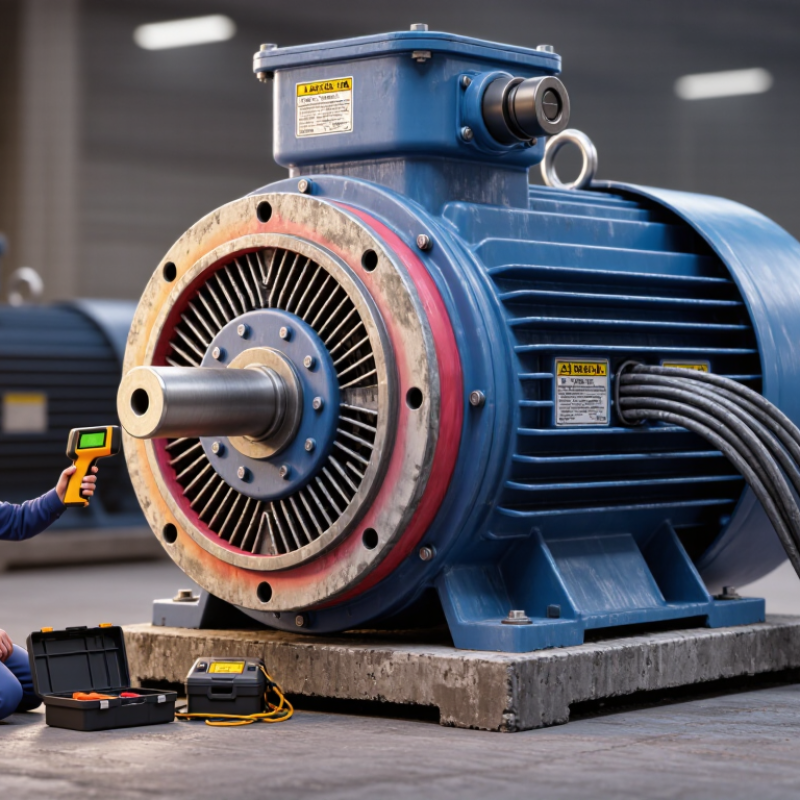
Industrial motor overheating means the motor’s internal temperature has exceeded what its design and insulation system can safely tolerate. A hot outer casing alone does not prove overheating; load, room temperature, airflow, and measurement location all matter. Not always obvious. Inside the motor, excess heat can age winding insulation and shorten service life. A warm casing is a clue, not a diagnosis—a distinction maintenance checks can miss.
The U.S. Department of Energy’s 2014 Improving Motor and Drive System Performance: A Sourcebook for Industry reports that motor-driven systems use about 68% of electricity in U.S. manufacturing. That figure is not an overheating rate, but it shows why heat-related efficiency losses and downtime deserve attention. Common warning signs include a rising temperature trend, unusual odor, frequent thermal trips, or blocked cooling fins. Compare readings under similar loads; one snapshot can mislead.
Tips: Record temperature, current, load, and ambient conditions together. Check fan covers and ventilation paths for dust, then compare readings with the motor’s nameplate and manufacturer guidance. If temperatures keep rising, have a qualified technician inspect the supply voltage, bearings, and load.
Insulation thermal classes indicate the maximum temperature rating of a motor’s insulation system—not a universal shutdown setting. Excessive load, restricted cooling, high ambient temperature, or electrical problems can raise winding temperatures and shorten insulation life. Prevent overheating by matching the motor to its load, keeping air passages clear, and checking current, voltage, and temperature against the manufacturer’s specifications.
Industrial motors turn electrical energy into motion, but some energy becomes heat. Current flowing through the windings meets electrical resistance, producing copper losses. The iron core also warms as its magnetic field repeatedly changes. Bearings add heat through friction, especially when lubrication or alignment is poor. Heat is normal.
Inside the motor, heat moves from the windings into the stator core and metal frame. The frame’s fins increase the surface area available for cooling. A shaft-mounted fan pushes air across those fins, carrying heat away. In enclosed motors, internal fans circulate air, while the outer housing releases heat to the surrounding air. A warm casing alone does not prove a fault; load, room temperature, and motor design all matter.
When a motor carries a heavy load, winding current and heat can rise quickly. Blocked vents, dust-packed fins, or a damaged cooling fan slow heat loss. I’ve seen a motor’s exterior look clean while its air passages stayed clogged. It is an easy detail to miss. Keep airflow paths clear, check fans and bearings during maintenance, and compare temperature readings under similar operating conditions. Sudden changes deserve attention, though a single reading can be misleading.
Industrial motors usually overheat when they produce more heat than they can release. A common cause is sustained overload: a pump or conveyor may demand more torque than the motor’s rating allows. The current rises, and the windings warm up. It can happen gradually. Operators may notice slower starts or a protective trip before they notice the smell of hot insulation.
Restricted airflow is another frequent culprit. Dust packed into cooling fins, a blocked fan cover, or a motor installed too close to a wall can trap heat. Uneven supply voltage can also increase winding stress, while loose connections may create localized hot spots. These issues are easy to overlook; a clean exterior does not prove the electrical supply is healthy.
Mechanical problems add heat too. Worn bearings, poor alignment, or an overtightened belt make the motor work harder. Listen for new grinding or humming, and check for unusual vibration during routine inspections. Frequent starts and stops can raise temperature, especially under heavy loads. Not every warm casing signals a fault, and touch is an unreliable test. Record operating current and compare it with the motor’s nameplate and normal readings. If temperatures keep rising or protection trips repeatedly, stop and have a qualified technician inspect the system.
An overheating motor often gives warning before it trips. The frame may feel unusually hot, while a fan sounds rough or airflow weakens. A sharp insulation smell, rising vibration, or repeated overload alarms also deserves attention. Stop and investigate. Heat alone is not a diagnosis; ambient temperature and normal operating load matter too.
For diagnosis, record the motor’s load, operating time, and temperature trend. Compare current on each phase with the nameplate rating, using suitable instruments and safe procedures. Uneven readings can point to supply or connection problems. Check that vents are clear and the cooling fan turns freely. Listen for bearing noise, but do not touch a running motor or open energized equipment. A single reading can mislead, so compare results under similar conditions.
Tips: Keep a simple log of temperatures, alarms, and unusual sounds. Let the motor cool before inspection, and isolate power according to site procedures. If the cause remains unclear, ask a qualified technician to check internal insulation and electrical connections. Small details get missed sometimes; that is a reason to document findings, not guess.
| Potential Cause | Typical Warning Signs | Practical Diagnostic Checks | Prevention or Corrective Action |
|---|---|---|---|
| Overload or driven equipment binding | Sustained high current, increased operating temperature, slow acceleration, or repeated overload trips. | Measure each phase current under normal load and compare it with the motor nameplate rating. Check the driven machine for binding or excessive process load. | Correct mechanical or process problems, keep the load within the motor’s rating, and set overload protection according to the motor and applicable requirements. |
| Blocked airflow or contaminated cooling surfaces | Hot casing, reduced airflow, dust or debris on cooling fins, or temperature that rises during operation. | Inspect fan covers, cooling passages, filters, and fins. Check that the fan is intact and that air can circulate around the motor. | Clean cooling surfaces using appropriate procedures, maintain clearances, and replace damaged fans or covers. |
| Voltage imbalance or poor supply connections | Uneven phase currents, excess heat, humming, or nuisance trips, sometimes without an obvious change in mechanical load. | With qualified personnel and suitable instruments, measure phase-to-phase voltages and currents at the motor terminals under load. Inspect connections for looseness or damage. | Resolve supply or connection issues and follow applicable motor guidance. Even a small voltage imbalance can produce a substantially larger current imbalance. |
| Frequent starts, stops, or excessive cycling | Temperature rises during repeated starts, protection trips during start-up, or the motor does not cool between cycles. | Review the operating sequence, start frequency, acceleration time, and protection records. Compare the duty cycle with the motor’s intended application. | Reduce unnecessary cycling, correct control-system issues, and confirm that the motor and starting equipment are suitable for the required duty. |
| Bearing wear, poor lubrication, or misalignment | Abnormal noise, vibration, bearing-area heat, or a change in shaft movement. | Check vibration trends, bearing temperature, shaft alignment, and bearing condition. Review lubrication type, quantity, and service intervals against equipment instructions. | Correct alignment, repair worn components, and apply the specified lubrication practices; avoid both under-lubrication and over-lubrication. |
| High ambient temperature or inadequate ventilation | Motor temperature is elevated even when load and supply readings appear normal; nearby equipment or enclosure is also hot. | Measure the surrounding air temperature, check enclosure ventilation, and compare actual conditions with the motor’s nameplate and manufacturer documentation. | Improve ventilation or cooling, reduce nearby heat sources, and verify that the motor is suitable for the installation conditions. |
| Winding insulation deterioration or electrical fault | Burning odor, unexplained protective trips, visible discoloration, or persistent overheating after load and cooling issues are ruled out. | Have a qualified technician perform appropriate insulation-resistance and winding checks with the motor isolated. Compare results with equipment history and test guidance. | Do not continue operating a motor with suspected insulation damage. Repair or replace it based on a qualified assessment, and investigate the original cause. |
| Incorrect protection settings or failed cooling fan | Overheating without a timely trip, unexpected trips, or little or no fan movement on a fan-cooled motor. | Inspect fan operation and protective devices. Verify settings against the nameplate, motor documentation, and applicable electrical requirements. | Restore fan operation and have a qualified person correct protection settings. Never bypass overload or thermal protection to keep the motor running. |
Note: Motor surface temperature alone does not establish winding temperature or prove a fault. Compare measurements with the motor nameplate, insulation class, manufacturer guidance, operating conditions, and historical trends. Isolate power before inspection or maintenance; electrical testing should be performed by qualified personnel.
Preventing motor overheating starts with clean airflow. Dust packed around cooling fins or a blocked fan guard can trap heat, even when the motor is not heavily loaded. During routine inspections, check that vents are clear and the fan turns freely. Small checks matter. Keep the surrounding space open, and avoid storing materials beside the motor.
Match the motor to its actual workload. A motor that runs above its rated load, starts too often, or operates beyond its intended duty cycle can heat up quickly. Check current draw with suitable equipment and compare readings with the motor’s nameplate values. Unbalanced supply voltage, loose connections, worn bearings, and misalignment can also increase heat. Do not guess. Have a qualified technician investigate unusual readings, noise, or vibration, and isolate power before any maintenance.
Use the correct overload protection and verify that it is set for the motor and application. Keep a simple log of operating temperature, current, and maintenance dates; a sudden change is easier to spot when earlier readings exist. Ambient conditions matter too: a motor in a hot enclosure may need better ventilation or a different operating arrangement. Not every temperature rise points to one clear fault, and rushed checks can miss the cause. Regular, careful inspection reduces avoidable damage.
Not by itself. Load, room temperature, airflow, and measurement location all affect casing temperature. Compare readings under similar conditions.
Watch for a rising temperature trend, unusual odor, repeated thermal trips, or blocked cooling fins. One reading can mislead.
Electrical resistance warms the windings, changing magnetic fields warm the core, and bearing friction adds heat. Heat is normal.
Heat moves from the windings through the core and frame. Fins provide more cooling surface, while fans move air across them.
Look for dust on the fins, a blocked fan guard, or vents with stored materials nearby. Small checks matter.
Heavy loads, frequent starts, and operation beyond the intended duty cycle can increase heat. Poor alignment or worn bearings may contribute too.
Log temperature, current, load, ambient conditions, and maintenance dates. Earlier readings make sudden changes easier to spot.
Avoid guessing at the cause. Have a qualified technician check the supply voltage, bearings, and load. Isolate power before maintenance.
This article explains why do industrial motors overheat by looking at how they produce and release heat during normal operation. Electrical losses, friction, and mechanical loads all contribute to a motor’s temperature, while its cooling system must carry heat away effectively. Overheating can occur when a motor is overloaded, poorly ventilated, misaligned, inadequately maintained, or operating with electrical faults. Understanding these factors helps distinguish normal warmth from a potentially damaging rise in temperature.
The article also describes warning signs such as unusual heat, odors, noise, vibration, or repeated shutdowns, and outlines practical ways to investigate them, including checking the load, airflow, connections, and operating conditions. Preventive steps include keeping vents and cooling components clean, using the motor within its rated capacity, inspecting it regularly, and addressing faults promptly. Consistent monitoring and maintenance can reduce overheating, extend motor life, and help prevent unexpected equipment damage.

KPR Motor