2026 How to Choose Between AC and DC Motors for Your Needs?

Time:2026-07-02 Author:Oliver
0%

Choosing the right motor type for your project is crucial. AC and DC motors each have unique characteristics. Understanding "what is the difference between AC and DC motors" is essential for making an informed choice.

AC motors are generally preferred for their durability and efficiency in high-power applications. They are simpler to maintain and often cheaper to operate over time. However, they may not be as versatile in speed control. On the other hand, DC motors excel in applications requiring precise speed and torque control. Their performance is often more consistent in lower power ranges.

It’s important to consider the application requirements carefully. What works well for one scenario may not suit another. Understanding these differences helps avoid costly mistakes. Evaluate your specific needs, including environment and load, before making a decision. Each motor brings strengths and weaknesses. Reflect on these aspects to choose wisely.
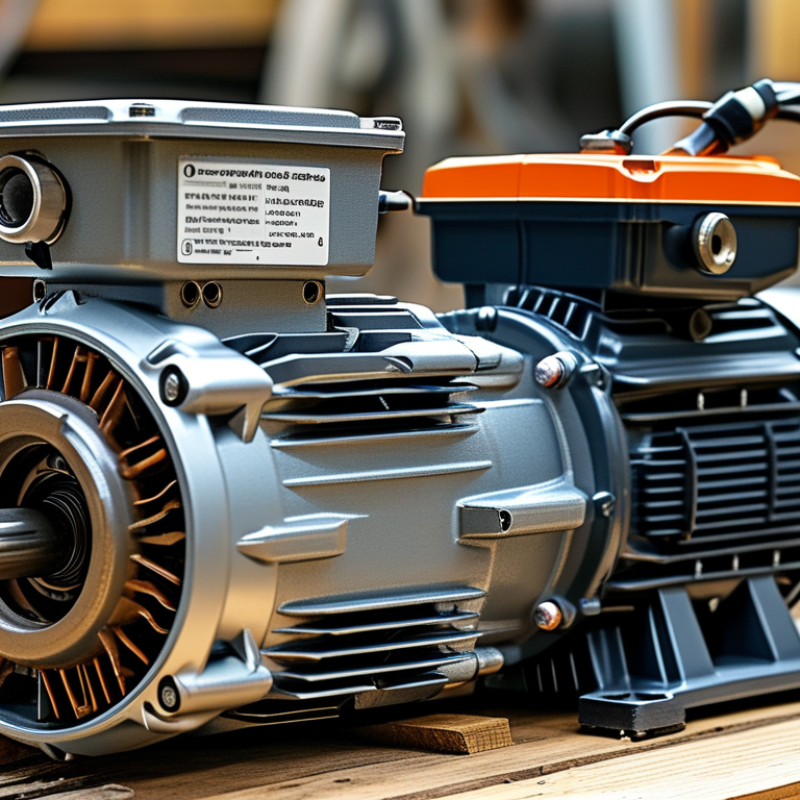
2026 How to Choose Between AC and DC Motors for Your Needs?

Understanding the Basics of AC and DC Motors

When choosing between AC and DC motors, it’s essential to grasp the fundamental differences. AC motors operate using alternating current, while DC motors run on direct current. According to a recent report from the International Energy Agency, AC motors are widely used in industrial applications, accounting for approximately 70% of the global motor market. This is largely due to their durability and efficiency in high-power applications.

DC motors, on the other hand, are favored for their precise speed control and ease of use in small-scale projects. They often find utility in applications where compact size and efficiency are paramount, such as electric vehicles. Interestingly, a study indicates that the demand for DC motors is growing by 5% annually, driven by advancements in technology and increased emphasis on renewable energy solutions.

Tips: Consider the application before making a decision. For high-torque needs, AC motors excel. For variable speed requirements, DC motors shine. Look into future maintenance costs as well. Understanding these aspects leads to better choices. Embrace the learning curve involved in motor selection. It may not always be straightforward. Continuing education in this area will prove beneficial.

Comparison of AC and DC Motors Efficiency

Comparing Efficiency and Performance of AC and DC Motors

When considering the efficiency and performance of AC and DC motors, several factors come into play. AC motors are renowned for their durability and lower maintenance requirements. They excel in large applications, such as industrial machinery. Their efficiency often improves with larger sizes, making them a preferred choice for high-power needs. However, AC motors can struggle with speed control and require more complex drive systems.

On the other hand, DC motors are celebrated for their superior speed control and torque. They are suited for smaller applications where precise movements are vital. This makes them ideal for robotics and electric vehicles. However, DC motors can experience more wear and tear due to commutation. They also typically require more frequent maintenance compared to their AC counterparts.

Ultimately, the choice between AC and DC motors hinges on specific application needs. It's crucial to evaluate factors like power supply, required torque, and maintenance capabilities. Understanding these aspects can lead to better decisions. There isn’t a one-size-fits-all answer; sometimes, compromises must be made between efficiency and functionality.

Assessing Power Requirements for Your Specific Application

Choosing between AC and DC motors can greatly affect your application's performance. One critical aspect to assess is your power requirements. Start by determining the voltage and current specifications needed for your system. AC motors are often preferred for high power applications. They are efficient and reliable. DC motors, on the other hand, provide precise speed control. Understanding your needs enables you to make an informed choice.

Tips: Analyze your load requirements closely. Consider factors like torque, speed, and duty cycle. These will help identify the motor type that meets your expectations.

When evaluating power sources, think about availability and convenience. AC power is usually easier to find in industrial settings. Alternatively, batteries are usually suited for DC motors. Both options have their pros and cons, depending on the project scale. Remember, it’s not just about power; it’s also about operational efficiency.

Tips: Conduct simulations or trials to see how both motor types perform. This hands-on experience can highlight strengths and limitations in your specific use case.

2026 How to Choose Between AC and DC Motors for Your Needs? - Assessing Power Requirements for Your Specific Application

Motor Type Power Rating (kW) Speed (RPM) Torque (Nm) Efficiency (%) Best Usage Application
AC Induction Motor 5 1450 32 90 Pumps, Fans, Compressors
DC Brush Motor 3 3000 27 85 Robotics, Electric Vehicles
DC Brushed Motor 2 1200 15 80 Fans, Electric Tools
AC Synchronous Motor 4 1800 21 92 Conveyor Systems, Precision Equipment
Permanent Magnet DC Motor 1.5 6000 10 88 Small Appliances, Model Toys

Evaluating Cost Factors and Maintenance Needs of Motors

When selecting between AC and DC motors, understanding cost factors and maintenance needs is crucial. AC motors are typically more cost-effective. They often have lower initial purchase prices. Additionally, they require less frequent maintenance compared to DC motors. This reduced maintenance often translates into lower total cost of ownership.

DC motors, on the other hand, can provide higher efficiency for specific applications. However, they come with a catch. Their brushes and commutators need regular replacement. This can lead to increased maintenance costs and downtime. Reflecting on long-term goals can change your choice. If reliability and minimal upkeep are your priorities, AC may be ideal. But for applications demanding precision, DC might be worth the investment.

In the end, consider your specific needs. Think about not just the initial costs but also the potential maintenance requirements. Sometimes, the best choice isn't the most straightforward. A deeper dive into your operational demands will yield insights that surface-level comparisons might miss. Balancing costs with reliability is essential for smart decision-making.

Determining the Best Motor Type for Your Project's Environment

When choosing between AC and DC motors, evaluating your project’s environment is crucial. AC motors typically excel in applications requiring high power and continuous operation. They are robust and ideal for industrial settings. DC motors, on the other hand, are suitable for applications needing precise control and low-speed operations. They fit well in robotics and small machinery.

Consider factors like voltage, load requirements, and operational cycles. Tips for selecting the best motor type include:

- Assess your energy source: Does your system support AC or DC?
- Identify torque needs: High-starting torque might favor DC motors.
- Evaluate maintenance: AC motors require less frequent upkeep than DC counterparts.

Reflecting on these aspects can help prevent costly mistakes. Misjudging your environment's needs can lead to performance issues. Test setups in real-world conditions before finalizing your decision. This will ensure the motor you choose aligns perfectly with your project's unique challenges.

FAQS

: What is the main difference between

C and DC motors?

Why are AC motors popular in industrial settings?

AC motors are durable and efficient, making them ideal for high-power applications in industrial machinery.

What advantages do DC motors offer?

DC motors provide precise speed control and are easy to use in compact applications like electric vehicles.

How do efficiency and performance differ between AC and DC motors?

AC motors handle larger loads with lower maintenance. DC motors excel in speed control but need more upkeep.

What factors should be considered when selecting a motor type?

Evaluate your energy source, torque needs, and maintenance requirements to find the most suitable motor.

Can the project environment affect motor choice?

Yes, consider factors like voltage, load, and operational cycles to ensure proper motor functionality.

What should I test before finalizing a motor decision?

Test setups in real-world conditions to ensure performance aligns with project requirements.

Do AC motors struggle with any specific applications?

Yes, they can have difficulties with speed control and may require complex drive systems.

What common mistake should be avoided in motor selection?

Misjudging project requirements can lead to performance issues and costly errors.

Conclusion

When choosing between AC and DC motors, understanding the basics is crucial, as it helps clarify what is the difference between AC and DC motors. AC motors are typically used in applications requiring a steady and constant speed, while DC motors are favored for variable speed operations due to their flexibility in control. Evaluating efficiency and performance allows users to identify which motor aligns best with their energy consumption and operational needs.

In addition to efficiency, the assessment of power requirements specific to your application is vital. Cost factors and maintenance needs should also be analyzed, as these can significantly impact long-term operational costs. Lastly, the environment in which the motor will operate plays a key role in determining the best motor type, whether it’s a challenging environment requiring robust solutions or more controlled settings where precision and adaptability are critical.

Oliver

Oliver

Oliver is a seasoned marketing professional with a wealth of expertise in driving brand awareness and engagement. With a deep understanding of our company's product offerings, he consistently delivers high-quality content that enriches our professional blog. His insights not only shed light on......