How to Extend the Lifespan of Industrial Motors Efficiently?

Time:2026-06-19 Author:Amelia
0%

In today's industrial landscape, the efficiency of machinery directly impacts productivity and costs. For this reason, understanding how to extend industrial motor lifespan is essential. Renowned expert Dr. Martin Hall, a leading figure in motor reliability, states, “Proper maintenance is the key to longevity.” His insights resonate within the industry, emphasizing proactive strategies.

Effective methods to prolong motor life include regular maintenance checks, proper lubrication, and monitoring temperature. Many overlook the importance of vibration analysis; minor deviations can indicate potential failures. Ensuring an optimal operating environment can prevent unnecessary wear. Despite this knowledge, some organizations fall short, neglecting preventive measures.

Investing in employee training can also enhance motor care. Workers must understand and adopt best practices. Yet, not all facilities prioritize this aspect, leading to premature motor replacements. Understanding how to extend industrial motor lifespan isn’t merely about the machinery; it encompasses a holistic approach to the entire production process.
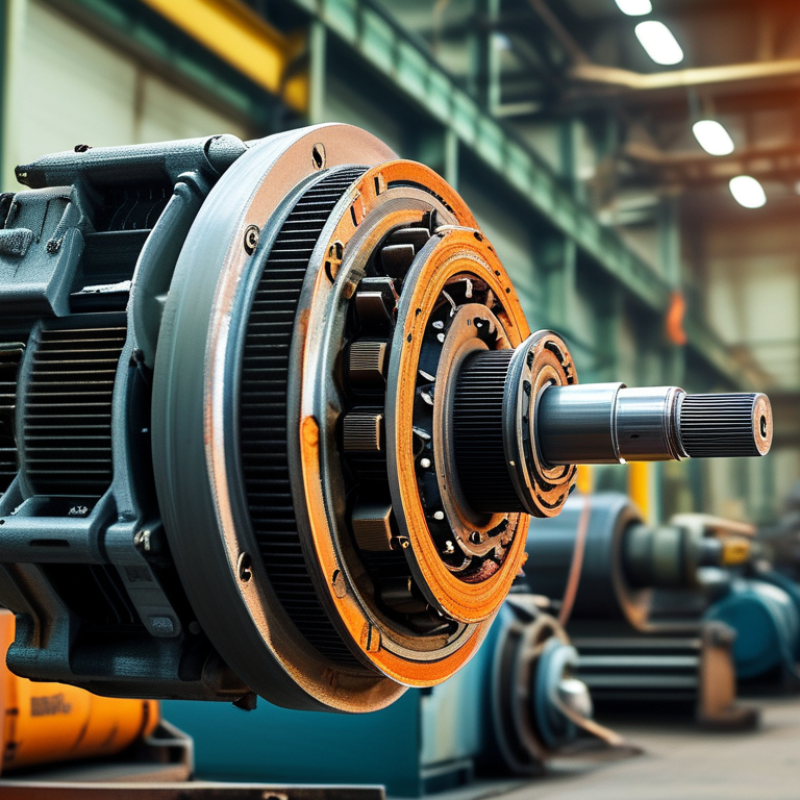
How to Extend the Lifespan of Industrial Motors Efficiently?

Understanding the Importance of Industrial Motor Longevity

Understanding the longevity of industrial motors is crucial for operational efficiency. Studies indicate that proper maintenance can enhance motor lifespan by up to 50%. This reduction in replacement frequency translates to cost savings and increased productivity. Motors are a significant investment, accounting for 60% of a plant’s electricity usage. Optimizing their longevity is not only wise; it’s essential.

Tips for extending motor lifespan include regular inspections and appropriate lubrication. Implementing a predictive maintenance program can identify potential failures before they manifest. Using vibration analysis and thermal imaging are effective methods for detecting early signs of wear. Moreover, slow and steady operation is less stressful for motors, potentially doubling their lifespan.

While many facilities invest in newer technology, some overlook routine maintenance. This negligence can lead to unplanned downtimes and costly repairs. Balancing advanced tools with foundational upkeep is necessary for motor longevity. A focus on consistent, thorough care often yields longer-term benefits than immediate upgrades.

Common Factors Affecting Industrial Motor Lifespan

Industrial motors are vital for many operations. Their lifespan can be influenced by several common factors. These include environmental conditions, maintenance routines, and operational loads. High temperatures can lead to overheating. Dust and moisture can cause short circuits. Regular cleaning and suitable housing can mitigate these effects.

Tips: Keep motors dry. Implement a strict maintenance schedule. This can enhance motor reliability significantly.

Another critical factor is overload. Motors running beyond their designed capacity can wear out quickly. Monitor operational conditions closely. Adjust loads as necessary to prevent premature failure.

Tips: Use sensors to track load levels. Integrate alarms for overload warnings. This extra step can save time and money.

Lastly, vibrations are often overlooked. Excessive vibration can cause bearing wear. Installing vibration dampers can greatly reduce this issue. Regularly check for alignment in motor and load connections to minimize stress.

Tips: Schedule periodic alignment checks. Address issues immediately to prolong motor health. This proactive approach can lead to more efficient motor usage.

Preventive Maintenance Practices for Industrial Motors

Preventive maintenance is crucial for extending the lifespan of industrial motors. In fact, studies indicate that a well-implemented preventive maintenance program can reduce downtime by up to 30%. Regular inspections can identify potential issues early. This approach minimizes the risk of unexpected failures. Scheduled lubrication and alignment checks also play an essential role. Over 50% of motor failures are attributed to lubrication issues. Ensuring proper lubrication helps in reducing wear and tear.

Training personnel in maintenance practices is equally important. Studies suggest that organizations with trained staff report 20% fewer motor-related failures. Staff should understand how to monitor vibrations and temperature. These are key indicators of motor health. Additionally, keeping records of maintenance activities enhances accountability and helps in trend analysis. This data-driven approach allows for smarter decision-making regarding repairs and replacements. Emphasizing this aspect can lead to significant cost savings over time.

However, many facilities overlook basic maintenance tasks. Ignoring simple checks can result in bigger problems down the line. It’s essential to prioritize the basics. Many operators may not regularly check for dust and debris, which can disrupt airflow. This lack of attention can lead to overheating and premature motor failure. Continuous improvement is necessary. Organizations must commit to refining their practices to maintain efficiency and reliability in motor operation.

Innovative Technologies for Enhancing Motor Efficiency

Innovative technologies are reshaping how we enhance motor efficiency in industrial settings. One promising approach is the implementation of advanced sensors. These sensors monitor motor performance in real-time. They provide data on temperature, vibration, and energy consumption. This information enables early detection of potential issues. Addressing minor problems before they escalate can significantly improve motor lifespan.

Another technology gaining traction is machine learning algorithms. These algorithms analyze performance data to optimize motor control. They adapt operations based on load conditions. This dynamic adjustment can reduce energy waste. Additionally, they help in scheduling maintenance more effectively. By predicting when a motor might fail, businesses can avoid unexpected downtimes.

However, not every solution is foolproof. The integration of new technologies can bring challenges. Training staff to interpret sensor data is essential. Without proper training, the data may go underutilized. Also, there’s the risk of over-relying on technology, sometimes neglecting manual checks. Recognizing the importance of balance is crucial for achieving long-term efficiency and reliability.

Best Practices for Monitoring Motor Performance and Condition

Monitoring motor performance and condition is crucial to extend the lifespan of industrial motors. Regular checks can prevent failures and enhance efficiency. According to a study by the Motor & Drive Systems Institute, effective monitoring can improve motor life by up to 30%. Tracking vibrations, temperature, and electrical parameters is essential for identifying potential issues early.

Vibration analysis is a reliable method to detect faults. Motors often exhibit increased vibration patterns before failing. A change in vibration frequency can indicate misalignment or imbalance. Temperature monitoring is equally important. An overheating motor can lead to insulation breakdown. The National Electrical Manufacturers Association suggests setting temperature thresholds for immediate alerts.

Condition-based maintenance (CBM) is gaining traction in industrial settings. This approach focuses resources on motors that require attention. According to a report from the International Energy Agency, implementing CBM can reduce maintenance costs by 25% and downtime by 30%. However, organizations may struggle with data interpretation. Skilled technicians are needed to analyze findings accurately.

FAQS

: Why is preventive maintenance important for industrial motors?

: Preventive maintenance extends motor lifespan and reduces downtime, potentially by 30%.

What are common issues that cause motor failures?

Over 50% of motor failures relate to lubrication problems, which can be avoided with regular checks.

How can training personnel impact motor reliability?

Trained staff can reduce motor-related failures by 20% by monitoring vibrations and temperature effectively.

What basic maintenance tasks are often overlooked?

Simple checks, like cleaning dust from motors, can prevent airflow issues and overheating.

How can monitoring affect motor efficiency?

Regular performance checks can enhance motor life by up to 30% through early problem detection.

What indicators should be monitored to assess motor health?

Track vibrations, temperature, and electrical parameters to identify potential issues early on.

What is condition-based maintenance (CBM)?

CBM directs attention to motors needing care, reducing maintenance costs and downtime significantly.

Why might organizations struggle with data interpretation in motor monitoring?

Skilled technicians are often necessary to analyze monitoring data accurately for effective maintenance.

What can happen if dust and debris are ignored?

Over time, neglecting these simple checks leads to overheating and, eventually, motor failure.

How can continuous improvement affect motor operation?

Organizations must refine practices regularly to maintain motor efficiency and reliability over time.

Conclusion

To effectively address how to extend industrial motor lifespan, it is crucial to understand the various factors impacting their longevity. Environmental conditions, operational demands, and load variations can significantly affect motor performance and durability. Implementing preventive maintenance practices, such as regular inspections, lubrication, and timely repairs, is vital in minimizing wear and tear.

Moreover, leveraging innovative technologies can enhance motor efficiency and extend operational life. Utilizing advanced monitoring systems to track motor performance and condition allows for proactive interventions before issues escalate. By adhering to these best practices, industries can not only ensure optimal motor functionality but also achieve significant cost savings and reduce downtime.

Amelia

Amelia

Amelia is a seasoned marketing professional with a wealth of expertise in our company’s core offerings. With an unwavering passion for driving growth and innovation, she plays a pivotal role in shaping our marketing strategies and enhancing brand visibility. A key aspect of her responsibilities......