Industrial motors are the backbone of many manufacturing processes. Understanding what causes industrial motor failure is crucial for maintaining productivity and reducing downtime. According to a report from the Electric Power Research Institute, around 40% of motor failures are attributed to electrical issues, while mechanical factors account for another 30%. These statistics highlight the need for effective preventive measures.
Expert in industrial maintenance, Dr. John H. Williams, asserts, "Preventive care can significantly reduce the risk of failure." His research emphasizes the importance of regular inspections and timely maintenance. Taking proactive steps can save companies from costly outages.
However, many organizations overlook these details. They assume motors will operate indefinitely without issues. This false sense of security can lead to significant setbacks. Addressing the root causes of motor failure requires both knowledge and a commitment to best practices. Identifying vulnerabilities in motor systems is vital. This approach fosters a more resilient manufacturing environment.
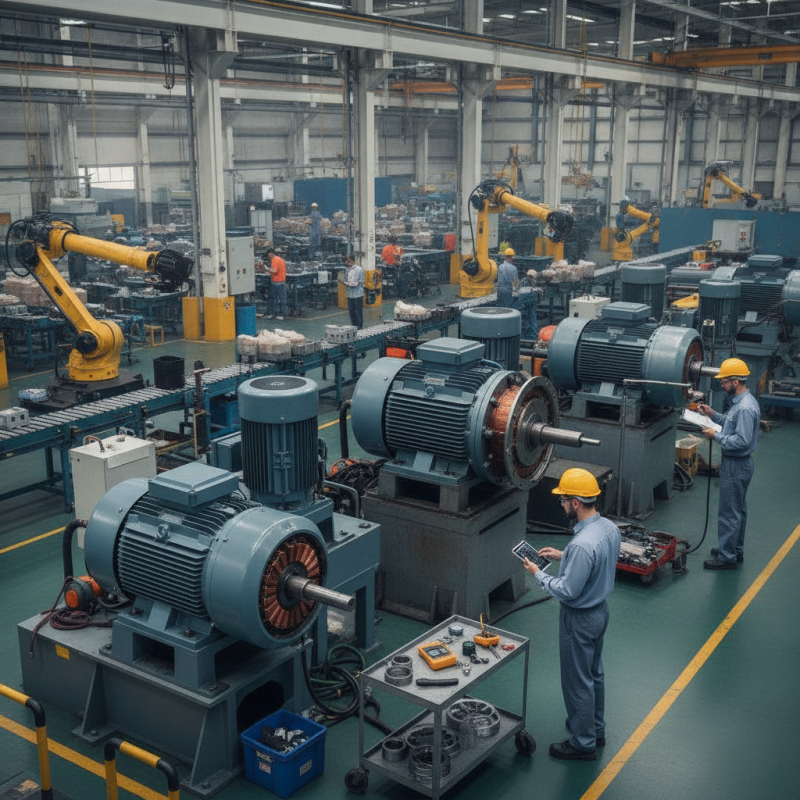
Industrial motors play a crucial role in various manufacturing processes, yet they frequently face failures. Understanding common causes of motor failure can significantly enhance reliability. Overheating is a primary concern, often due to inadequate ventilation. Dust and debris can accumulate, blocking airflow, leading to excessive temperatures. This issue can create a vicious cycle, as overheating further degrades insulation, exacerbating the problem.
Another frequent culprit is electrical issues. Voltage imbalances and surges can lead to damaging currents. These fluctuations can wear down motor windings or even cause burnout. Regular inspections of wiring and connections are essential in preventing such failures. Additionally, mechanical wear and tear, like bearing failures, can also lead to severe motor malfunction. Lubrication is vital in this regard; insufficient lubrication allows friction to increase, leading to premature failure.
Lastly, improper alignment or mounting can result in vibrations that stress the motor. These vibrations can ultimately lead to component failure. Regular alignment checks and adjustments can prevent these issues. While prevention strategies might seem straightforward, overlooking them can lead to costly downtime and repairs. Continuous monitoring and a proactive approach are key in mitigating the risks associated with industrial motor failure.
Regular maintenance is crucial for the longevity of industrial motors. Over time, wear and tear can lead to inefficiencies. Small issues, if ignored, can escalate into significant problems. Routine checks allow for early detection. This proactive approach saves time and costs in the long run.
Visual inspections can reveal signs of damage. Look for unusual vibrations or sounds during operation. Lubricating moving parts reduces friction and heat generation. Not maintaining proper alignment can lead to excessive strain, shortening a motor's life.
It's easy to overlook maintenance schedules. Busy operations might push them aside. However, neglect can lead to inconvenient breakdowns. Implementing a consistent maintenance routine strengthens reliability. By prioritizing upkeep, teams can prevent unexpected failures and ensure optimal performance. Regular audits help identify potential risks. This approach fosters a culture of awareness, encouraging reflection on existing practices.
Industrial motors are the backbone of many manufacturing processes. Recognizing the warning signs of motor malfunction is crucial. A study from the National Institute of Standards and Technology indicates that nearly 30% of motor failures result from inadequate maintenance. Regular inspections can reveal issues early.
Common symptoms of motor malfunction include unusual vibrations and abnormal noises. If a motor feels hotter than normal, it is a clear warning sign. An increase in power consumption can also indicate a failing motor. According to industry reports, addressing these symptoms early can reduce downtime by up to 35%.
Many operators overlook minor irregularities. Ignoring a strange sound could lead to unexpected breakdowns. It's vital to track and log motor performance data. This can help pinpoint trends before they escalate. Preventative measures require diligence, but they yield significant cost savings. By being proactive, facilities can enhance motor lifespan and efficiency.
Preventing industrial motor failure is crucial for maintaining operational efficiency. Regular maintenance is one of the best practices for reducing unexpected breakdowns. Operators should inspect motors frequently for signs of wear. Listening for unusual noises can reveal underlying issues. Vibration analysis is another effective method to detect problems early. High vibrations can indicate misalignment or bearing failures.
Proper lubrication is essential for motor longevity. Using the right type and amount of lubricant reduces friction. Over-lubrication can also be harmful, leading to seal failures. Training staff on best lubrication practices helps ensure consistency. Operators should keep a log of maintenance activities. This record can provide insight into patterns of wear and potential failures.
Environmental conditions play a significant role in motor health. Motors in dusty or humid settings often require more cleaning and attention. Surge protection is vital. Power quality issues, like voltage spikes, can cause catastrophic damage. Investing in surge protection devices can mitigate this risk. Understanding these factors enables operators to create a more resilient system.
Environmental factors play a crucial role in the performance of industrial motors. Extreme temperatures, humidity, and exposure to dust can significantly impact motor reliability. A study by the Nationa Electrical Manufacturers Association (NEMA) indicates that motors operating outside their rated temperature can lose efficiency. Dust and moisture can lead to insulation breakdown, further leading to potential failures.
Regular maintenance is essential. Monitoring ambient conditions helps in preventing issues. For instance, if a motor operates in a humid environment, using dehumidifiers can be beneficial. Keeping the area clean reduces dust accumulation and enhances airflow.
Tip: Utilize thermal imaging to detect overheating components early.
Mechanical vibrations are another critical factor. They can cause misalignment and bearing failures. The American Society of Mechanical Engineers (ASME) highlights that motors exposed to vibrations have a higher failure rate. Installing vibration isolation mounts can be an effective preventive measure.
Tip: Implement regular vibration analysis checks to monitor motor health.
Attention to environmental factors can prolong motor life. Understanding the unique challenges of your operating environment is vital for effective management. Ignoring these factors may lead to costly downtimes and repairs.
: Overheating, electrical issues, mechanical wear, and improper alignment are frequent causes of failure.
Overheating often stems from insufficient ventilation, which can degrade insulation and worsen the issue.
Voltage imbalances and surges may damage windings, leading to burnout and operational issues.
Insufficient lubrication increases friction, which can cause premature bearing failures and other malfunctions.
Unusual vibrations, abnormal noises, excessive heat, and increased power consumption are key warning signs.
Extreme temperatures, humidity, and dust can lead to insulation breakdown and overall performance issues.
Regular inspections, maintaining environmental conditions, and lubrication checks can significantly improve motor lifespan.
Logging performance helps identify trends and issues early, reducing unexpected breakdowns and downtime.
Mechanical vibrations can result in misalignment and stress components, increasing the risk of failure.
Using thermal imaging can help spot overheating components early, allowing for timely maintenance.
Industrial motor failure can significantly impact productivity and operational costs. Understanding what causes industrial motor failure is essential for effective management. Common causes include overheating, electrical imbalances, lubricant issues, and mechanical wear. Regular maintenance plays a crucial role in extending motor longevity by identifying wear and tear before they lead to catastrophic failures.
Additionally, recognizing the warning signs of motor malfunction, such as unusual noises or vibrations, can provide early intervention opportunities. Implementing best practices, such as ensuring proper lubrication, monitoring operating conditions, and utilizing protective measures against environmental factors, is vital for preventing motor failure. By taking these proactive steps, industries can enhance motor performance and reduce downtime, leading to more efficient operations.

KPR Motor