10 Best Ways to Reduce Industrial Motor Energy Consumption?

Time:2026-06-22 Author:Isabella
0%

Industrial motors play a crucial role in manufacturing processes. However, their energy consumption can be staggering. Understanding how to reduce industrial motor energy consumption is vital for companies aiming to cut costs and enhance sustainability. Energy efficiency not only benefits the environment but also significantly impacts the bottom line.

Many industries overlook simple strategies that can lead to substantial savings. For instance, regular maintenance can increase efficiency and reduce energy waste. Moreover, upgrading to high-efficiency motors is a proven method that many businesses have yet to adopt. Each decision made today impacts future energy use and costs.

Implementing these methods requires analysis and a willingness to adapt. Many facilities struggle with high energy costs, yet they frequently miss opportunities for reductions. Reflecting on existing practices can reveal unexpected areas for improvement. Through a detailed look at effective techniques, industries can pave the way toward better energy management and reduced operational expenses.
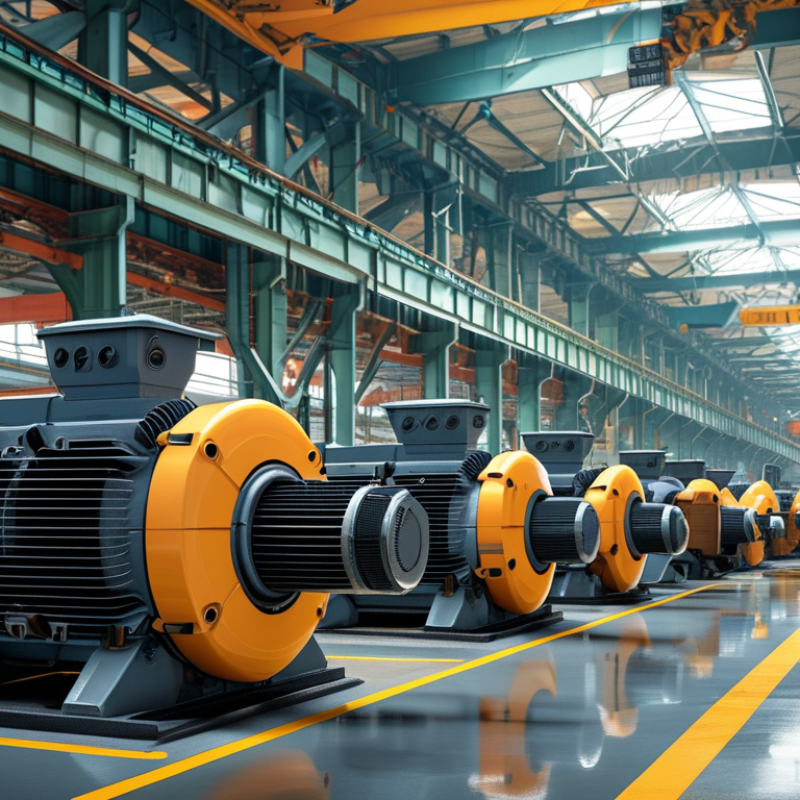
10 Best Ways to Reduce Industrial Motor Energy Consumption?

Understanding Industrial Motor Energy Consumption and Its Impact

Industrial motor energy consumption is a significant factor in operational costs for many businesses. Motors account for a large portion of electricity use in industries. Understanding their impact is crucial for both sustainability and cost management. High energy consumption often leads to increased operational costs and a larger carbon footprint.


Many companies struggle to monitor energy consumption effectively. Without accurate tracking, inefficiencies persist. Employees may overlook simple maintenance tasks. Neglecting to lubricate motors or replace worn parts can lead to increased energy use. Regular audits and simple training can make a difference. Assessing energy usage patterns helps identify areas for improvement.


Motors can often be over or undersized for their applications. This miscalibration contributes to energy waste. Sometimes, it is easy to overlook these details in the rush of daily operations. Partnerships with experts can bridge knowledge gaps. Investing in energy-efficient solutions may initially seem costly, but savings accumulate over time. Addressing these issues requires a commitment to ongoing evaluation and improvement.

Identifying Energy Efficiency Opportunities in Motor Systems

Identifying energy efficiency opportunities in motor systems is crucial for reducing industrial motor energy consumption. Focused assessments can reveal areas where improvements can lead to significant savings. Conducting thorough audits on motor systems helps highlight inefficiencies and potential upgrades. Regular maintenance checks ensure that motors operate at their optimal performance levels.

**Tip:** Schedule routine maintenance to detect issues early. Look for wear and tear in components, which could lead to higher energy use. Simple visual inspections can save costs over time.

Implementing variable frequency drives (VFDs) can greatly enhance the efficiency of motors. VFDs adjust the speed and torque of motors according to load. This flexible operation reduces energy consumption significantly when compared to fixed-speed motors. Aim for a better match between motor performance and operational demand.

**Tip:** Evaluate if retrofitting existing motors with VFDs is feasible. Sometimes, the initial cost is outweighed by long-term energy savings. Consider the overall return on investment when making these decisions.

10 Best Ways to Reduce Industrial Motor Energy Consumption

Implementing Variable Frequency Drives for Better Control

Implementing Variable Frequency Drives (VFDs) can significantly enhance energy efficiency in industrial motors. VFDs allow for precise control of motor speed and torque by varying the frequency and voltage supplied to the motor. This flexibility reduces wasted energy during operation. For instance, in conveyor systems, VFDs can adjust speeds based on actual load requirements rather than running motors at fixed rates.

A practical tip for integrating VFDs is to assess your existing systems. Many motors operate at constant speeds, which may not align with your operational needs. A thorough analysis can identify where VFDs will bring the greatest benefits. Evaluate your processes critically to find areas of improvement.

Monitoring energy usage is vital. Regularly check how VFD implementation affects energy consumption. This not only reveals immediate savings but also highlights areas to optimize further. Focus on specific applications, evaluating whether reduced speed can effectively meet production demands. Test your hypotheses and be open to adjustments as needed. Experimentation can lead to unexpected insights.

10 Best Ways to Reduce Industrial Motor Energy Consumption

Method Description Estimated Energy Savings (%) Payback Period (Years)
Implement Variable Frequency Drives Adjusts motor speed to match load requirements. 20-50% 2-3
Regular Maintenance Ensures motors are running efficiently. 5-10% N/A
Use High-Efficiency Motors Replaces older motors with energy-efficient models. 10-30% 3-6
Optimize System Design Revise the layout to minimize losses. 15-25% 4-8
Implement Load Management Controls when and how motors are used. 10-20% 2-4
Utilize Soft Starters Reduces inrush currents during startup. 5-15% 1-2
Use Energy Monitoring Systems Tracks energy consumption patterns. 5-10% 1-3
Install Power Quality Equipment Improves current and voltage quality. 10-15% 2-4
Upgrade Controls Modernizes how motors are controlled. 10-20% 3-5
Use of Gear Drives Increases efficiency in power transmission. 5-10% 2-3

Regular Maintenance Strategies to Enhance Motor Performance

Regular maintenance is crucial for enhancing industrial motor performance. Regular checks help identify potential issues before they escalate. This proactive approach minimizes downtime and improves energy efficiency.

One effective strategy is to schedule routine inspections. Inspecting for wear and tear can prevent inefficiencies. Lubricating moving parts and cleaning dust buildup also contributes to smoother operation. Another tip is to monitor vibrations and temperatures closely. Unusual patterns can indicate problems that need addressing promptly.

Involving trained personnel in maintenance tasks is vital. They can ensure that the right procedures are followed consistently. Lack of expertise can lead to mistakes, potentially harming motor performance. Emphasizing training for the team ensures everyone understands their role in energy conservation. Regular training updates help staff stay informed about best practices.

Utilizing Energy Monitoring Systems for Informed Decision Making

Industrial motor energy consumption is a significant concern for many businesses. Energy monitoring systems play a crucial role in addressing this issue. These systems provide real-time data, allowing companies to assess energy use accurately. Understanding energy consumption patterns helps identify inefficiencies. This approach promotes informed decision-making.

Incorporating energy monitoring systems often reveals surprises about where energy is wasted. Many facilities overlook equipment running longer than necessary. Some motors consume excessive power when not in use. By tracking these metrics, businesses can pinpoint problems more effectively. This fosters a culture of continuous improvement.

However, relying solely on monitoring systems isn’t enough. Teams need training to interpret data correctly. Misunderstanding the information can lead to poor decisions. Additionally, regular reviews of energy data are essential to ensure ongoing efficiency. Businesses must remain vigilant and adapt strategies as necessary. This ongoing process is where true energy savings are realized.

FAQS

: Why is industrial motor energy consumption important for businesses?

: It significantly impacts operational costs and helps in sustainability efforts.

What common issues do companies face in monitoring energy consumption?

Many struggle with accurate tracking, leading to persistent inefficiencies.

How can simple maintenance affect energy consumption?

Neglecting tasks like lubrication can increase energy use.

What is a common mistake companies make regarding motor sizing?

Motors are often miscalibrated, leading to energy waste.

How can Variable Frequency Drives improve motor efficiency?

They provide precise control over motor speed, reducing energy waste.

What should businesses assess before integrating VFDs?

Existing systems to find where VFDs can be beneficial.

Why are energy monitoring systems crucial?

They provide real-time data to identify inefficiencies and promote better decisions.

What problems can energy monitoring systems uncover?

They may reveal equipment running longer than necessary and high power consumption.

Why is team training important when using monitoring systems?

Misinterpretation can lead to poor decisions and wasted opportunities.

How should businesses adapt their energy strategies?

Regularly review data and remain open to adjustments for ongoing efficiency.

Conclusion

Reducing industrial motor energy consumption is crucial for enhancing operational efficiency and minimizing costs in manufacturing processes. Understanding the factors contributing to energy use in motor systems allows organizations to identify specific energy efficiency opportunities. Strategies such as implementing Variable Frequency Drives (VFDs) can provide better control over motor speed and performance, leading to significant energy savings.

Additionally, regular maintenance plays a vital role in ensuring motors operate optimally, further reducing energy waste. Utilizing energy monitoring systems empowers decision-makers with real-time data, enabling informed strategies that effectively target areas for improvement. By employing these practices, industries can learn how to reduce industrial motor energy consumption, ultimately leading to more sustainable and cost-effective operations.

Isabella

Isabella

Isabella is a dedicated marketing professional with a sharp focus on driving brand growth and engagement through strategic content creation. With an extensive background in digital marketing, she combines her passion for storytelling with her keen understanding of industry trends to deliver......