Industrial motors play a crucial role in various sectors. Yet, overheating remains a significant issue. Dr. Alex Thompson, an expert in motor technology, explains, "Understanding why do industrial motors overheat is fundamental to avoiding costly downtimes." Malfunctions can stem from several factors, including improper ventilation, excessive load, or electrical imbalances.
Overheating can lead to serious repercussions. For example, it can reduce the lifespan of the motors dramatically. Insufficient lubrication is another common culprit. When motors lack proper maintenance, they can fail unexpectedly. The impact of such failures can ripple through entire production lines, leading to lost revenue and unhappy customers.
Addressing the overheating problem requires a multifaceted approach. Continuous monitoring systems, regular maintenance, and load management can prevent issues before they escalate. Companies must invest in training and awareness. Educating staff about common causes is vital. Reflecting on these practices can help industries enhance efficiency and reliability. Employing best practices now can save significant costs in the future.
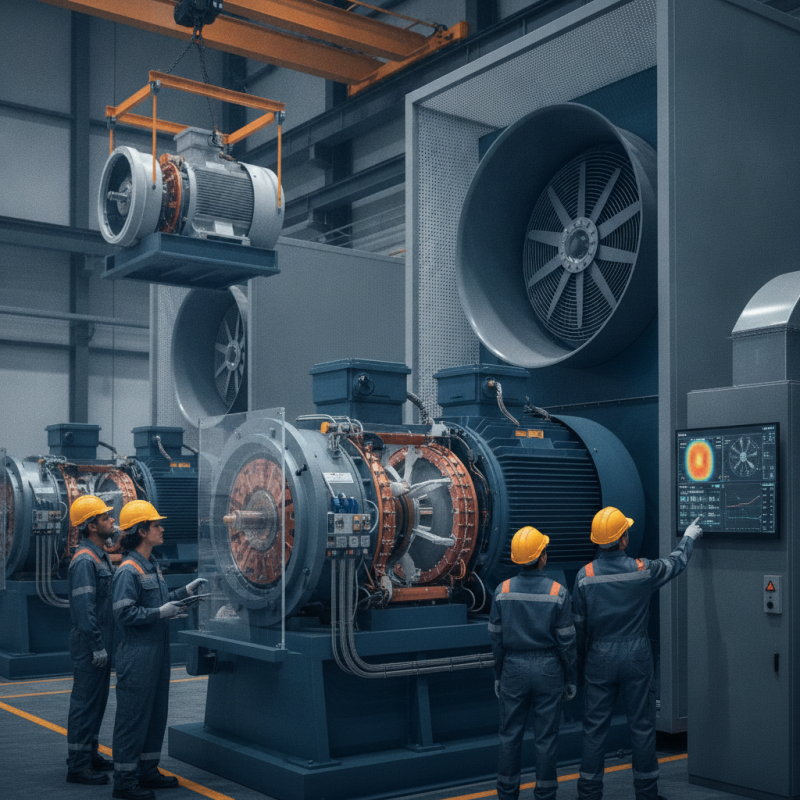
Understanding the Causes of Overheating in Industrial Motors
Overheating in industrial motors can significantly reduce their lifespan and efficiency. A report from the Electric Power Research Institute states that nearly 30% of motor failures are attributed to overheating. Factors such as poor ventilation, excessive loading, and electrical imbalances contribute to this critical issue. For instance, when motors are overloaded beyond their rated capacity, they generate excessive heat, leading to premature failure.
Moreover, inadequate maintenance can also exacerbate overheating. The International Electrotechnical Commission highlights that routine inspections can identify issues like bearing wear and insulation breakdowns before they escalate. An alarming 40% of motors in industrial settings lack regular service checks. Insufficient cooling systems further compound the problem, as improper airflow directly impacts motor temperature.
Data from the U.S. Department of Energy suggests investing in quality cooling technologies can boost motor life by 25%. Yet many facilities overlook these advancements. Regularly monitoring temperature can help in catching overheating early. It's a step toward improving efficiency and reliability. Engaging in proactive measures is not merely beneficial but essential for maintaining the operational integrity of industrial motors.
2026 Best Ways to Prevent Industrial Motors from Overheating
Effective Maintenance Practices to Prevent Overheating
Industrial motors are essential components in many operations, but they can be prone to overheating if not properly maintained. Regular inspections play a crucial role in preventing this issue. Checking the motor’s bearings, windings, and insulation regularly can help identify potential problems before they escalate. Keeping the motor clean is also vital. Dust and debris can impair airflow, leading to increased temperatures. Using compressed air to blow out dust can make a significant difference.
Another effective practice is ensuring that the motor is well-lubricated. Bearings need the right type and amount of lubricant to operate smoothly. Over time, lubricant can break down or get contaminated, leading to friction and heat. Monitoring the lubrication levels and changing them regularly can prevent many overheating issues.
Additionally, using thermal imaging can help to identify hotspots in the system. This technology provides a proactive approach by revealing problems that may not be visible during routine checks.
It’s crucial to acknowledge that human error can also contribute to overheating. Inadequate training or oversight can lead to missed maintenance checks or incorrect repair procedures. Maintaining a thorough training program for your maintenance staff can minimize these risks. Even small lapses in attention can have significant consequences on motor performance and lifespan. Creating a culture of diligence in maintenance is key to keeping motors running efficiently and safely.
Choosing the Right Cooling Systems for Industrial Motors
Cooling systems play a crucial role in preventing industrial motors from overheating. Selecting the appropriate cooling method can enhance motor efficiency and lifespan. Common cooling systems include air or water cooling, which can dissipate excess heat effectively.
Tips: Evaluate your motor's environment. If dust or debris is present, ensure the cooling system is equipped with adequate filters. Regularly clean these components to maintain optimal airflow.
Another common method is using thermal sensors. These devices can monitor temperatures in real-time. If a motor gets too hot, the system can alert operators to take action. This proactive approach can prevent damage before it occurs.
Consider the location of your motors. Are they exposed to high temperatures? If yes, an insulated enclosure or additional ventilation may be necessary. Proper planning can mitigate risks associated with high ambient temperatures.
Implementing Temperature Monitoring Solutions
Effective temperature monitoring is crucial for
preventing industrial motors from overheating. Understanding how to implement robust monitoring solutions can save time
and increase productivity. A well-installed temperature monitoring system provides real-time data about motor conditions.
This helps in early detection of potential issues.
Tips for implementation:
- Regularly calibrate your sensors
.
This ensures accuracy over time.
- Choose sensors that can handle high temperatures
without compromising function.
- Utilize both wired and wireless systems
for flexibility in monitoring.
- Investing in data analytics
can enhance decision-making as well.
Consider having a backup monitoring plan.
Sometimes, systems may fail or provide inaccurate readings. Regular maintenance checks are essential. Pay attention to motor
vibrations, as they often correlate with temperature changes. Properly trained staff can better interpret data and ensure
quick responses.
Regular Inspections and Upgrades for Optimal Motor Performance
Regular inspections are crucial for maintaining industrial motors. Routine checks help identify issues before they escalate. Technicians should focus on several key areas, such as bearings, insulation, and electrical connections. For instance, loose wires can cause overheating. Checking them regularly is vital. This practice ensures the longevity of the motors.
Upgrading components enhances performance. Newer technology often provides better efficiency. Replacing worn-out parts can prevent failures. It’s important to note that even a minor upgrade can yield significant benefits. Some facilities hesitate to invest in upgrades, believing maintenance alone suffices. This can lead to more significant issues down the line, like catastrophic motor failure.
Incorporating thermal imaging scans can be beneficial. These scans detect hot spots that human inspection might miss. However, not all facilities utilize this technology. The reluctance may stem from budget constraints or lack of knowledge. Addressing this gap could improve reliability. Embracing a culture of proactive maintenance can prevent overheating and extend the life of industrial motors.
FAQS
: It helps prevent overheating and improves productivity. Real-time data allows for early detection of issues.
Regular calibration is essential for maintaining sensor accuracy over time.
Both wired and wireless systems offer flexibility in monitoring. Choose sensors that can withstand high temperatures.
Technicians should check bearings, insulation, and electrical connections. Loose wires can cause overheating.
Upgrading components improves efficiency and prevents failures. Even minor upgrades can bring significant advantages.
Thermal imaging scans can detect hot spots missed by human inspectors. However, not all facilities use this technology.
They may believe that maintenance alone is sufficient. This can lead to larger problems like motor failure.
A proactive maintenance culture helps prevent overheating and extends motor life. Regular checks are crucial for reliability.
A backup plan should ensure monitoring continuity if the main system fails or gives inaccurate readings.
Properly trained staff can interpret data accurately and respond quickly to issues. Their expertise is essential for effective monitoring.
Conclusion
Industrial motors are essential components in various manufacturing processes, but understanding why do industrial motors overheat is crucial for maintaining efficiency and extending their lifespan. Overheating can stem from several causes, including excessive load, poor ventilation, and insufficient lubrication. To combat these issues, effective maintenance practices are vital. Regular checks and services help identify potential problems before they escalate, while the selection of appropriate cooling systems ensures that motors operate within safe temperature ranges.
Additionally, implementing temperature monitoring solutions allows for real-time tracking of motor performance, enabling timely interventions. Regular inspections and upgrades can further optimize motor efficiency, leading to reduced risks of overheating. By focusing on these proactive strategies, industries can significantly enhance the reliability and longevity of their motors, ultimately improving overall productivity.

 KPR Motor