2026 Best Tips for Selecting Motors in Industrial Automation?

Time:2026-06-29 Author:Oliver
0%

Selecting the right motor for industrial automation is a critical decision. It impacts efficiency, productivity, and overall system performance. Understanding how to select a motor for industrial automation requires a deep dive into various factors. Each application has unique requirements, making the selection process complex.

Consider load characteristics, speed, and torque requirements. These elements play a significant role in determining the ideal motor type. You may find options like AC and DC motors, stepper motors, and servo motors. Each has its strengths and weaknesses, which can make it challenging to choose. It’s essential to evaluate your specific needs thoroughly.

The selection process often comes with unexpected challenges. Sometimes, the initial choice might not deliver the desired performance. Regular reflection on these decisions can lead to better outcomes. Ultimately, a well-informed selection can significantly enhance operational efficiency in automated environments.
2026 Best Tips for Selecting Motors in Industrial Automation?

Understanding Different Types of Motors Used in Industrial Automation

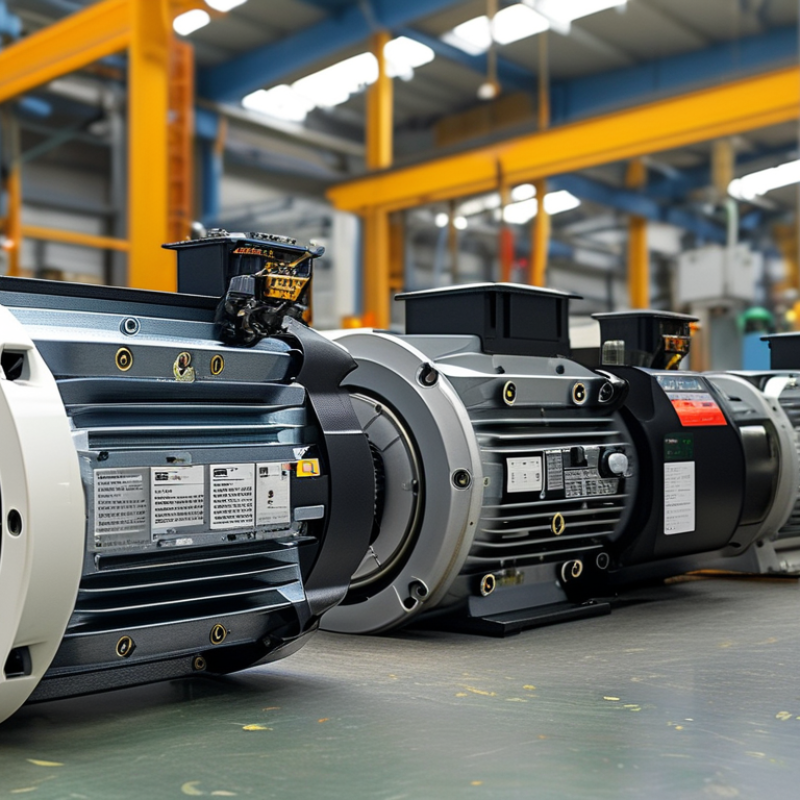
In industrial automation, selecting the right motor is crucial. There are various types of motors, each designed for specific applications. Understanding these types can greatly influence efficiency and performance. AC motors, for example, are common in conveyor systems. They provide consistent torque and speed for continuous operation, which is essential for heavy-duty processes.

When considering choices, focus on these tips. Evaluate the application requirements carefully. A motor’s speed and load capacity must align with your needs. Also, think about the environment. High humidity or dust can affect motor performance. In such cases, opting for sealed or specially designed motors can make a difference.

Another consideration is energy efficiency. Efficient motors reduce operational costs. Look for motors with high-efficiency ratings. This feature can lead to significant savings in energy bills over time. Don't overlook maintenance needs, either. Some motors require more upkeep than others. Ensuring you choose a motor that fits your operational capacity will pay off in the long run.

Key Parameters to Consider When Selecting Industrial Motors

Selecting the right motors for industrial automation involves several key parameters. One crucial aspect is power requirements. Understanding the load that the motor needs to drive is essential. This includes both torque and speed specifications. Overestimating power can lead to unnecessary costs, while underestimating can cause failures.

Another significant factor is the duty cycle. Different motors are designed for varying operational cycles. Some motors are built for continuous use, while others suit intermittent applications. It’s important to align the motor’s characteristics with the specific needs of your application. Monitoring real-world performance can identify mismatches that may affect efficiency.

Environmental considerations also play a vital role in the selection process. Factors like temperature, humidity, and exposure to dust or chemicals can impact motor performance. Testing motors under the same conditions they will face can reveal potential vulnerabilities. Reliability is often only apparent during prolonged use, and it’s crucial to choose motors that can withstand tough operational environments.

Evaluating Efficiency and Performance Metrics of Motors

When selecting motors for industrial automation, evaluating efficiency and performance metrics is crucial. A motor's efficiency affects overall system productivity. Higher efficiency means lower energy costs. However, efficiency ratings can vary based on operational conditions. Always consider the specific application when assessing these metrics.

One important tip is to assess torque characteristics. Different operations require different torque levels. Understanding this helps in selecting the right motor. Additionally, consider the load requirements. If the load varies, the motor must adapt efficiently.

Inconsistent performance can lead to mechanical issues. Regular performance testing is essential. This ensures the motor functions correctly under varying conditions. Be vigilant about maintenance practices. Sometimes, overlooked aspects can significantly impact motor longevity. Efficiency may decline over time due to wear and tear. Always plan for timely assessments to maintain optimal functionality.

Integrating Smart Technology in Motor Selection for Automation

When selecting motors for industrial automation, integrating smart technology is crucial. Smart motors come with embedded sensors that collect real-time data. This data can help predict failures before they happen. It enhances maintenance schedules and reduces downtime significantly. Smart technology allows for more precise control over the motor's performance, which is beneficial in various applications.

Choosing the right motor isn't just about specifications anymore. You need to consider connectivity for future upgrades. Not all motors easily integrate with existing systems. Sometimes, this can lead to compatibility issues that affect overall performance. Investigating the type of communication protocols available is essential. These factors often impact how effectively your system will operate over time.

Another vital aspect is energy efficiency. Smart motors can adjust their energy consumption based on operational needs. This adaptability can lead to cost savings and reduced environmental impact. However, not all applications will benefit from the same type of motor. Some scenarios may require a thorough evaluation of data trends to make the most informed decision. Balancing technical specifications and operational needs can be challenging but is necessary for successful automation.

Maintenance Considerations for Long-lasting Motor Performance

When selecting motors for industrial automation, maintenance is crucial for longevity. Regular inspections help identify wear and tear. This proactive approach prevents unexpected breakdowns. Schedule periodic checks and replace worn components promptly. Cleanliness matters too. Dust and debris can cause overheating and inefficient operation.

Lubrication is another key aspect. Insufficient lubrication leads to increased friction. This can reduce efficiency and lifespan. Use the recommended lubricants, and pay attention to the environment. Motors in humid settings may require special care. Vibration analysis is useful for detecting issues early. Monitor performance trends over time.

Watch for warning signs like unusual noises or temperature changes. These can indicate underlying problems. Relying solely on operational data can be misleading. Engage with experienced technicians for insights. They may spot things you overlook. Seeking professional advice fosters a culture of safety and reliability. Ensure your motors are always primed for optimal performance.

FAQS

: What is the importance of selecting the right motor in industrial automation?

: Choosing the right motor affects efficiency and performance. It influences overall productivity in industrial processes.

How do AC motors function in industrial settings?

AC motors provide consistent torque and speed. This is essential for heavy-duty operations, like conveyor systems.

What factors should be considered when evaluating motor performance?

Consider torque characteristics and load requirements. This helps in selecting the motor that adapts efficiently to varying conditions.

Why is energy efficiency important in motor selection?

Efficient motors lower operational costs. High-efficiency ratings lead to significant savings on energy bills over time.

What maintenance practices improve motor longevity?

Regular inspections and scheduled checks help identify wear. Clean environments and proper lubrication are essential for efficient operation.

How can one detect underlying problems with motors?

Watch for unusual noises or temperature changes. Vibration analysis can also help detect early issues before they escalate.

What should be considered for motors in harsh environments?

Motors in high humidity or dusty areas may need special designs. Sealed motors can prevent performance issues.

How does lubrication influence motor performance?

Insufficient lubrication increases friction. This can lower efficiency and shorten the motor's lifespan significantly.

What role does regular performance testing play?

Testing ensures motors perform under varying conditions. It helps maintain optimal functionality over time.

Why is professional advice recommended for motor maintenance?

Experienced technicians can spot issues you might miss. Their insights help foster a culture of safety and reliability.

Conclusion

Selecting the right motor for industrial automation is crucial for optimizing efficiency and performance. Understanding the various types of motors available, such as AC, DC, and stepper motors, is the first step in this process. Key parameters such as torque, speed, and power requirements must be carefully evaluated to ensure the motor meets the specific needs of the application. Additionally, assessing the efficiency and performance metrics of the motors can lead to better energy savings and operational reliability.

Incorporating smart technology in motor selection can further enhance automation capabilities, allowing for real-time monitoring and adjustments. Maintenance considerations are equally important; selecting a motor that is easy to maintain will contribute to its longevity and performance. By considering these aspects, operators can effectively learn how to select a motor for industrial automation that not only meets operational demands but also promotes sustainability and cost-effectiveness.

Oliver

Oliver

Oliver is a seasoned marketing professional with a wealth of expertise in driving brand awareness and engagement. With a deep understanding of our company's product offerings, he consistently delivers high-quality content that enriches our professional blog. His insights not only shed light on......