Maintaining industrial electric motors is crucial for efficiency and safety. Many operators overlook how to maintain industrial electric motors properly, leading to unexpected failures. Regular maintenance can reduce downtime and increase productivity.
Proper maintenance involves various practices, such as routine inspections and lubrication. Monitoring temperature and vibration levels can prevent costly issues. However, it’s easy to become complacent. Neglecting small signs of wear may lead to bigger problems down the line.
Investing time in developing a routine maintenance schedule is essential. Documenting service history helps identify recurring issues. Seeking expert advice can enhance your process. Remember, a proactive approach can mean the difference between a reliable motor and one that frequently breaks down.
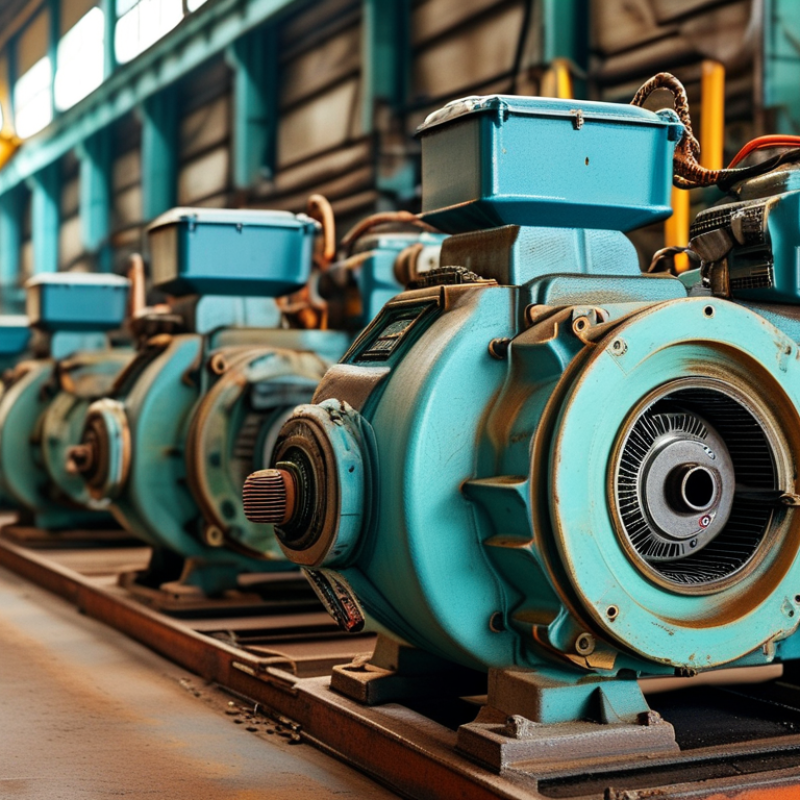
Industrial electric motors play a critical role in various sectors, such as manufacturing, agriculture, and utilities. These motors convert electrical energy into mechanical energy, facilitating the operation of machines and equipment. Their reliability directly impacts productivity. A malfunctioning motor can cause significant downtime and revenue loss. Understanding their operation is key for maintenance and efficiency.
The effectiveness of an industrial electric motor largely depends on its design and operating conditions. Different applications may require specific types of motors. Awareness of these requirements ensures proper installation and function. Operators should regularly check for signs of wear and overheating. Observations on performance can lead to early detection of potential issues. Simple practices like monitoring noise levels and vibrations can provide essential insights.
However, upkeep is not always straightforward. Some facilities lack proper maintenance protocols, resulting in overlooked problems. Workers may not always recognize when a motor is underperforming. Emphasizing training can address this gap. Even routine tasks, like cleaning and lubrication, can be neglected. Acknowledging and refining these practices is important for overall operational excellence.
Routine maintenance is vital for industrial electric motors. Regular checks can prevent unexpected failures. A simple inspection should include checking the wiring and connections for any signs of wear. Also, listen for unusual noises during operation. These sounds may indicate potential issues.
Lubrication is another critical aspect. Motors often run at high speeds and require proper lubrication for longevity. Over-lubricating may also cause issues. Use the right lubricant and follow guidelines to maintain optimum performance. Clean the motor housing regularly to remove dust and debris, which can interfere with cooling.
Vibration analysis is often overlooked. Excessive vibration can lead to serious damage. Monitoring vibration levels can provide insights into motor health. Lastly, training personnel on maintenance practices is essential. Even knowledgeable staff can miss critical checks. Continuous learning and adaptation improve reliability in operations.
Electric motors are essential in various industrial applications. However, they are not immune to common issues. Overheating is a prevalent problem, often caused by poor ventilation or excessive current. Reports indicate that up to 40% of motor failures result from overheating. It's crucial to maintain proper air circulation and monitor operating temperatures to prevent this issue.
Another frequent concern is bearing wear. Bearings support the rotor, and their degradation can lead to increased vibration and noise. Industry statistics show that bearing failures contribute to 25% of electric motor failures. Regular lubrication and inspection can help extend their lifespan. For vibrations, techniques such as alignment checks and balancing can identify the root cause.
Lastly, insulation breakdown is a critical issue. It can lead to short circuits and even catastrophic failures. It's essential to conduct insulation resistance tests regularly. Reports suggest that motors should have insulation resistance above 1 megohm for optimal performance. Keeping a close watch on these parameters can enhance motor reliability.
Electric motors are vital components in many industrial applications. To enhance lifespan and efficiency, regular maintenance is crucial. It begins with understanding common issues. Overheating, for instance, can drastically reduce a motor's lifespan. Frequent checks on temperature and environment can prevent this.
Vibration analysis is another essential practice. It helps identify imbalances and wear before they become severe. Simple tools can be used for monitoring. Regular lubrication of bearings reduces friction. However, using too much lubricant can also lead to problems. Striking the right balance is key.
Cleaning plays a critical role in maintaining efficiency. Dust and debris can accumulate, affecting performance. Set a routine cleaning schedule to keep motors running smoothly. Visual inspections are important. Look for signs of wear or damage. Small issues can escalate if not addressed. Implementing these practices will foster reliable motor operation and promote longevity.
| Maintenance Practice | Description | Frequency | Expected Benefit |
|---|---|---|---|
| Regular Inspection | Conduct visual and operational checks for abnormalities. | Monthly | Early detection of issues, reducing downtime. |
| Lubrication | Apply appropriate lubricants to moving parts. | Quarterly | Decreases friction and wear, enhancing efficiency. |
| Vibration Analysis | Monitor vibration levels to detect misalignment. | Bi-annually | Prevents mechanical failures, improving reliability. |
| Electrical Testing | Test insulation resistance and overall electrical performance. | Annually | Ensures safe operation and extends motor lifespan. |
| Cooling System Maintenance | Check and clean cooling fans and vents. | Every 6 months | Prevents overheating and preserves component integrity. |
Monitoring electric motor performance is crucial for extending their lifespan and improving efficiency. Implementing a robust monitoring system can lead to significant cost savings. According to a report from the Electric Power Research Institute, poorly maintained motors can consume up to 50% more energy. This statistic underlines the importance of keeping a close watch on motor health.
Regular vibration analysis is one effective tip for monitoring performance. This technique helps detect imbalances or misalignments early, preventing costly breakdowns. Infrared thermography can also be used to identify overheating issues. Addressing these problems promptly can enhance not only motor longevity but also operational safety.
Another critical aspect is tracking operational data continuously. Utilizing sensors to monitor temperature, current, and RPM allows for real-time insights. This data can indicate when maintenance is needed. The predictive maintenance approach minimizes downtime and maintains production efficiency. However, it's essential to ensure that the data collected is reliable. Inaccurate readings can lead to serious operational flaws.
: Regular maintenance enhances motor lifespan and efficiency by addressing common issues like overheating.
Overheating can drastically reduce a motor's lifespan. Frequent temperature checks can help prevent this issue.
Vibration analysis identifies imbalances and wear early, preventing more severe problems and costly breakdowns.
Regular lubrication reduces friction, but too much can cause issues. Finding the right balance is essential.
Dust and debris accumulation can harm performance. A routine cleaning schedule helps keep motors running smoothly.
Look for signs of wear or damage. Addressing small issues can prevent escalation into larger problems.
Real-time data on temperature, current, and RPM signals when maintenance is needed, improving overall efficiency.
Inaccurate readings can lead to significant operational flaws, disrupting performance and increasing costs.
Predictive maintenance minimizes downtime and maintains production efficiency by addressing issues before they escalate.
Yes, implementing a robust monitoring system can significantly reduce energy consumption and maintenance costs.
Maintaining industrial electric motors is crucial for ensuring operational efficiency and reducing downtime. Understanding the significance of these motors forms the foundation of effective maintenance strategies. Routine practices such as regular inspections, cleaning, and lubrication play a vital role in preventing common issues. Additionally, knowing troubleshooting techniques can swiftly address unexpected problems, minimizing potential disruptions.
To enhance the lifespan and efficiency of electric motors, implementing best practices is essential. This includes optimizing operating conditions and using high-quality components. Furthermore, developing a comprehensive monitoring system is key to tracking motor performance, allowing for proactive maintenance and timely interventions. Overall, knowing how to maintain industrial electric motors effectively leads to improved performance and longevity, ultimately benefiting the entire industrial operation.
KPR Motor