2026 Best Electric Motors for Key Industries Are You Using Them?

Time:2026-07-09 Author:Amelia
0%

Electric motors play a critical role in various industries. They power everything from conveyor belts in manufacturing to pumps in water treatment. According to a report by the International Energy Agency, electric motors account for approximately 45% of global electricity consumption in industrial applications.

"Any industry that relies on machinery utilizes electric motors," says Dr. Jason Reed, an expert on industrial technologies. This insight leads us to explore what industries use industrial electric motors. Sectors like automotive, food processing, and HVAC systems are prime examples. Each of these industries relies on efficient motor technology to enhance productivity and reduce energy costs.

However, many companies still overlook the potential of modern electric motors. They may rely on outdated models that lack efficiency. By doing so, they miss opportunities for improvements and may face higher operational costs. Investing in the best electric motors supports sustainability and operational excellence.
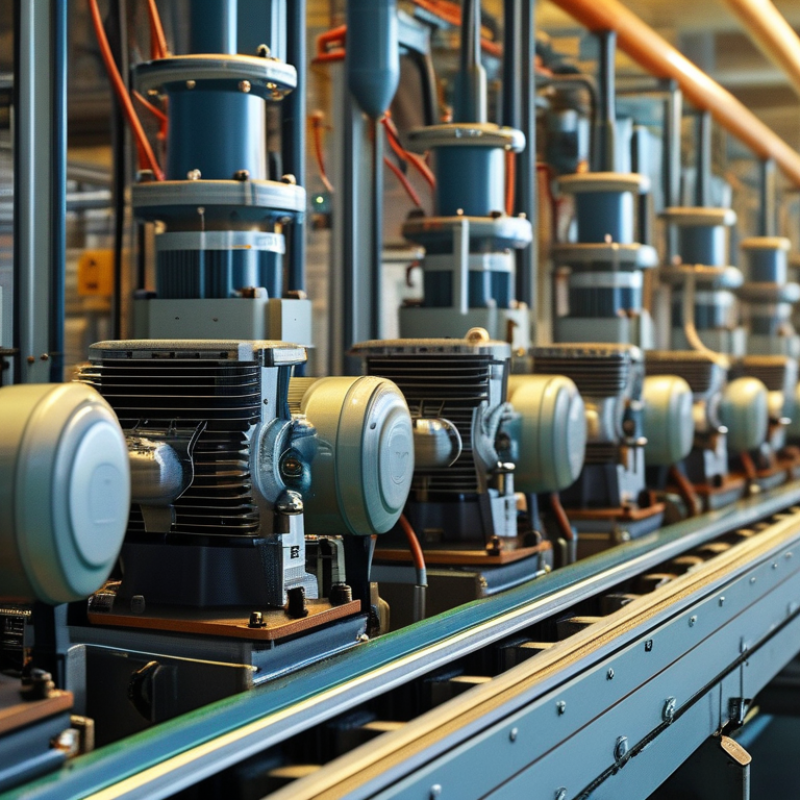
2026 Best Electric Motors for Key Industries Are You Using Them?

Overview of Electric Motors in Key Industries

Electric motors play a crucial role in various industries, including manufacturing, transportation, and energy. These motors are essential for driving machinery, vehicles, and renewable energy systems. Efficient electric motor technologies are at the forefront of industrial innovation. They help reduce energy consumption and lower operational costs. Many industries are transitioning from traditional motors to electric options to enhance sustainability.

Implementing electric motors can be a complex process. Selecting the right motor for specific applications is vital. Not every electric motor is suitable for all tasks. Consider factors such as power requirements, efficiency ratings, and operational environments. Investing time in research will pay off.

Tip: Regular maintenance of electric motors is key. It can extend their lifespan and improve performance. Monitor temperature and vibration levels. Early detection of issues can prevent costly downtime. Also, training staff on motor operation is essential to avoid mistakes. Evaluate your current systems to ensure alignment with industry best practices.

Top Electric Motor Technologies for 2026

As industries evolve in 2026, electric motor technologies play a pivotal role. The global electric motor market is projected to reach $150 billion by 2026. Key drivers include increased automation and the push for energy efficiency.

Advanced motor technologies, such as brushless DC motors and synchronous motors, are gaining traction. A study by MarketsandMarkets highlights that brushless motors alone are expected to grow at a CAGR of 8.5%. These motors deliver superior efficiency compared to traditional counterparts. Enhanced control and precision are crucial for sectors like manufacturing and electric vehicles.

Despite the promising landscape, challenges remain. Many industries struggle with integrating these technologies. The transition often demands significant investment in training and infrastructure.

Moreover, as sustainability becomes a priority, some innovations may fall short of expectations. While electric motors reduce emissions, their production still entails environmental costs. Continuous improvement is necessary to achieve true sustainability and operational efficiency in the long run.

2026 Best Electric Motors for Key Industries
Industry Motor Type Power Rating (kW) Efficiency (%) Cooling Type Estimated Cost ($)
Manufacturing AC Induction Motor 100 95 Air Cooled 2500
Transportation Permanent Magnet Motor 150 97 Air Cooled 3000
Agriculture Brushless DC Motor 75 92 Liquid Cooled 2000
Mining Synchronous Motor 200 95 Air Cooled 4000
Construction AC Gear Motor 50 90 Air Cooled 1500

Applications of Electric Motors Across Various Sectors

Electric motors play a crucial role across various industries, influencing efficiency and growth. In manufacturing, they power machines that assemble products. According to a recent report from the International Energy Agency (IEA), electric motors account for around 45% of global energy consumption in industrial applications. This highlights their importance in energy management and sustainability efforts.

In transportation, electric motors are transforming vehicle designs. They are becoming essential in electric cars, which are projected to account for 30% of new car sales globally by 2026. However, there are challenges; charging infrastructure needs significant improvement. Additionally, battery technology is still evolving to meet demands.

The healthcare sector also relies on electric motors, particularly in medical equipment. Devices like MRI machines and ventilators depend on precise motor functions. As noted by the Global Healthcare Market Report, the demand for electric motors in this sector is expected to grow by 10% annually. This growth speaks to the increasing need for reliable and efficient healthcare solutions. However, ensuring these systems are fail-safe demands ongoing innovation and investment.

2026 Best Electric Motors Applications Across Various Sectors

Benefits of Implementing Advanced Electric Motors

Advanced electric motors offer significant benefits across various industries. These motors are more efficient, reducing energy consumption by up to 50% compared to traditional models. According to a recent report by the International Energy Agency (IEA), implementing advanced electric motors can lead to savings exceeding $200 billion annually. This financial incentive makes them attractive to manufacturers seeking cost-effectiveness.

In addition to cost savings, advanced electric motors improve operational reliability. They have longer lifespans and lower maintenance needs, resulting in reduced downtime. The Electric Power Research Institute (EPRI) reports that modern electric motors can increase overall system efficiency by 15% to 30%. This efficiency not only boosts productivity but also aligns with sustainability goals, lowering carbon footprints. However, these benefits come with challenges. Transitioning to advanced technologies can be costly upfront, and companies must consider long-term ROI carefully. Stakeholders need to balance innovation with practical implementation hurdles, ensuring they make informed decisions.

Future Trends in Electric Motor Development and Usage

The development of electric motors is rapidly evolving. Key industries are pushing for greater efficiency and sustainability. As technology advances, motors are becoming more compact yet powerful. These changes help reduce energy consumption and lower emissions. There's a growing demand for smart motors with integrated sensors. Such features enable real-time performance monitoring and predictive maintenance.

However, this shift also brings challenges. Not all industries are ready to adopt the latest technology. Many organizations struggle with outdated systems and training. Adapting to new motor technologies requires investment, both financially and in workforce education. While innovation is critical, a gap between new developments and existing capabilities can lead to inefficiencies.

The future of electric motors will depend on continuous improvement in design and application. Cross-industry collaboration could bridge these gaps. Engineers and manufacturers need to share insights. Doing this could accelerate the transition to next-generation solutions.

As electric motors become central to more applications, staying informed is crucial. Industries must balance innovation with practical implementation. The journey toward fully harnessing electric motor technology is just beginning.

FAQS

: What are key advantages of advanced electric motors?

: They can reduce energy consumption by up to 50%. They also enhance operational reliability and lower maintenance needs.

How much can implementing advanced electric motors save annually?

Savings can exceed $200 billion annually according to recent studies. This is appealing for cost-effective manufacturing.

What role do advanced motors play in sustainability?

They lower carbon footprints while improving efficiency. However, their production still has environmental costs.

Why might companies struggle with implementing new motor technologies?

Integration demands significant investment in training and infrastructure. This can be a barrier for many industries.

How does the lifespan of advanced motors compare to traditional motors?

Advanced motors generally have longer lifespans, which cuts downtime. This is crucial for maintaining operational flow.

What challenges come with transitioning to advanced electric motors?

Upfront costs can be high. Companies must weigh these against long-term return on investment and practicality.

Can advanced electric motors enhance system efficiency?

Yes, they can increase overall system efficiency by 15% to 30%. This boost in productivity is significant for many sectors.

What is a concern with advancements in electric motor technology?

Some innovations may not meet sustainability expectations. Continuous improvement is necessary for true operational efficiency.

What is the projected market size for electric motors by 2026?

The global electric motor market is expected to reach $150 billion by 2026, driven by automation and energy efficiency.

What is a common misconception about electric motors and the environment?

While they reduce emissions, their production can still cause environmental harm. This needs careful consideration in innovation.

Conclusion

The article "2026 Best Electric Motors for Key Industries: Are You Using Them?" provides a comprehensive overview of the pivotal role electric motors play in various sectors. It explores the top electric motor technologies anticipated for 2026 and their diverse applications in industries such as manufacturing, transportation, and agriculture. A key focus is on answering the question of what industries use industrial electric motors and highlighting the benefits of adopting advanced motor technologies, including improved efficiency, reduced operational costs, and enhanced sustainability.

Additionally, the article discusses future trends in electric motor development, emphasizing innovation and integration with smart technology. As industries evolve, the demand for advanced electric motors is expected to grow, making it crucial for businesses to stay updated on these developments and consider upgrading their current systems to maintain competitiveness in a rapidly changing technological landscape.

Amelia

Amelia

Amelia is a seasoned marketing professional with a wealth of expertise in our company’s core offerings. With an unwavering passion for driving growth and innovation, she plays a pivotal role in shaping our marketing strategies and enhancing brand visibility. A key aspect of her responsibilities......